The World's Most Remote Places You Can Actually Visit
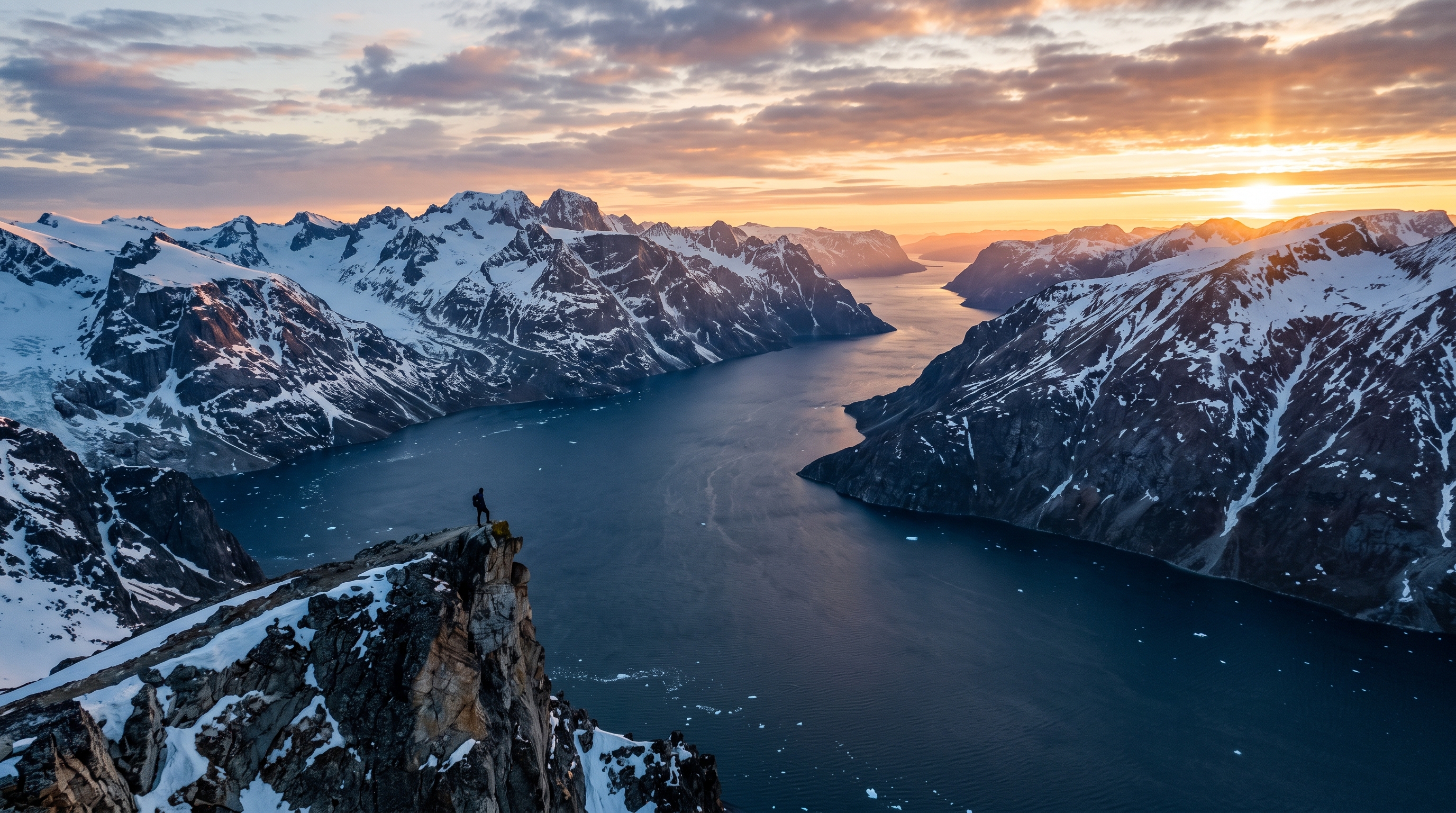
Remote travel destinations are having a moment — and in 2026, reaching some of the planet's most isolated corners is easier than ever. From Arctic wilderness lodges to volcanic islands in the middle of nowhere, adventurous travelers are trading crowded landmarks for silence, raw nature, and genuine off-grid experiences. Here's where you can actually go, and what it takes to get there.
Why "Remote" Is the New Luxury
As overtourism pushes travelers away from packed hotspots, remote destinations are becoming the ultimate flex — not because they're hard to reach, but because they're hard to share with anyone else. Improved regional flights, expedition cruises, and small-group tour operators have quietly opened up places once reserved for scientists and explorers.
1. Antarctica — The Last Continent
No permanent residents, no commercial infrastructure, and some of the most dramatic landscapes on Earth. Antarctica is reached almost exclusively by expedition cruise from Ushuaia, Argentina, crossing the Drake Passage. Icebergs, penguin colonies, and total silence await — but trips typically require 10+ days and significant budget.
How to visit: Book an expedition cruise (November–March season only).
2. Svalbard, Norway — Polar Bear Country
Sitting roughly 800 km from the North Pole, Svalbard is one of the few Arctic destinations with regular commercial flights, landing in the town of Longyearbyen. Beyond the town limits, this is genuine polar wilderness — glaciers, fjords, and more polar bears than people.
How to visit: Fly via Oslo or Tromsø, Norway.
3. Mongolia's Gobi Desert and Steppe
Mongolia offers vast, largely untouched landscapes and one of the world's last living nomadic cultures. Visitors can ride horses and camels across the steppe, stay in traditional gers, and meet herding communities whose way of life has barely changed in centuries — all without needing extreme expedition-level logistics.
How to visit: Fly into Ulaanbaatar, then join a guided overland tour.
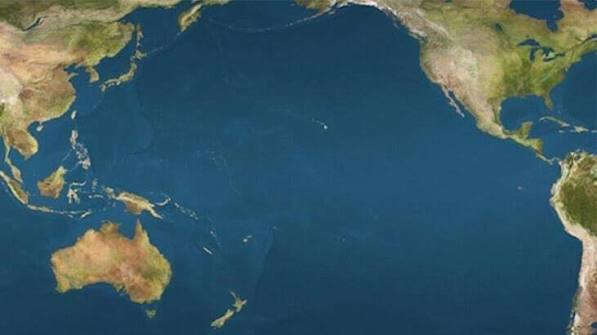
4. Easter Island (Rapa Nui), Chile
One of the most isolated inhabited islands on the planet, sitting over 3,500 km from mainland Chile. Home to the iconic moai statues, it's surprisingly accessible via a direct flight from Santiago — a rare case of a legendarily remote destination being just one flight away.
How to visit: Direct flights from Santiago de Chile.
5. The Faroe Islands
Windswept, dramatic, and largely undiscovered until recently, the Faroe Islands sit between Iceland and Norway. Grass-roofed villages, sea cliffs, and near-total absence of crowds make it a favorite for travelers chasing solitude without leaving Europe.
How to visit: Direct flights from Copenhagen or Reykjavik.
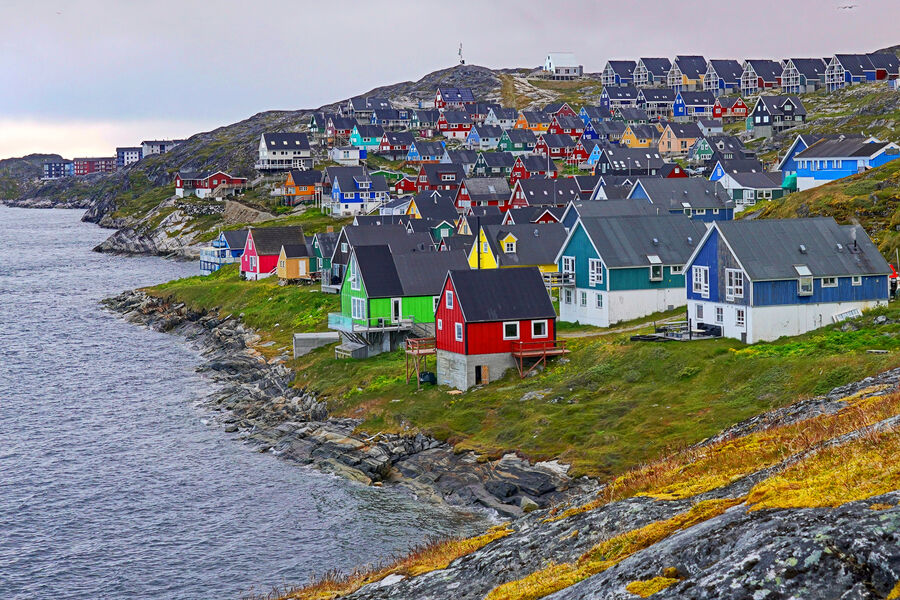
6. Greenland
The world's largest island has one of the lowest population densities on Earth. Expanded flight routes have made towns like Ilulissat — gateway to a UNESCO-listed icefjord — increasingly accessible for travelers wanting glaciers without an expedition budget.
How to visit: Fly via Copenhagen or Reykjavik.
7. Ankarana and Northern Madagascar
Beyond Madagascar's better-known beaches, the Ankarana Reserve offers limestone "tsingy" spike forests, hidden cave systems, and wildlife found nowhere else on Earth. Expanded international flight connections have made the island considerably easier to reach in recent years.
How to visit: Fly into Antananarivo or Nosy Be, then travel overland or by charter flight.
8. Alert, Nunavut, Canada
The northernmost permanently inhabited settlement on the planet, located just 800 km from the North Pole. Access is extremely limited — mostly military and research personnel — but a small number of specialized Arctic tour operators can arrange visits for the truly determined.
How to visit: Charter flight from Resolute Bay (special permission required).
9. Osa Peninsula, Costa Rica
Proof that "remote" doesn't have to mean cold or barren. This roadless peninsula in southern Costa Rica is one of the most biodiverse places on the planet, home to jaguars, scarlet macaws, and Corcovado National Park. New domestic flight routes have made it far more accessible.
How to visit: Domestic flight from San José.
10. Sápmi, Swedish Lapland
Deep in the Arctic Circle, Swedish Sápmi combines total wilderness with Indigenous Sámi culture — think snowshoeing across untouched snowfields, dog sledding, and northern lights over uninhabited forest, all reachable via regional flight rather than a multi-week expedition.
How to visit: Fly into Kiruna via Stockholm.
The Takeaway
You no longer need a research grant or a six-figure expedition budget to experience genuine remoteness. Between expanded regional flights, small-ship cruises, and specialized local operators, some of the most isolated places on Earth are now within reach of ordinary travelers — as long as you're willing to trade convenience for the kind of silence and scale that crowded destinations simply can't offer.
Planning your own remote getaway? Start with flight availability to the nearest gateway city, then work backward — the last leg is almost always the hardest part.