What Is the World's Largest Ocean? – 10 Facts About the Pacific Ocean
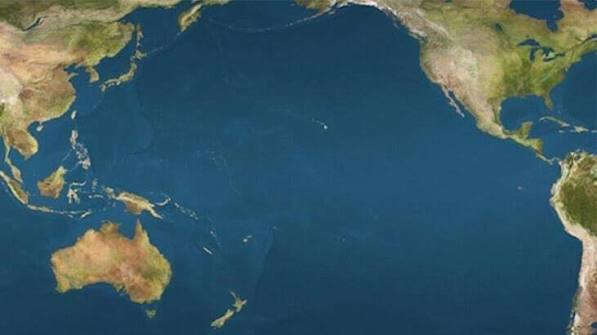


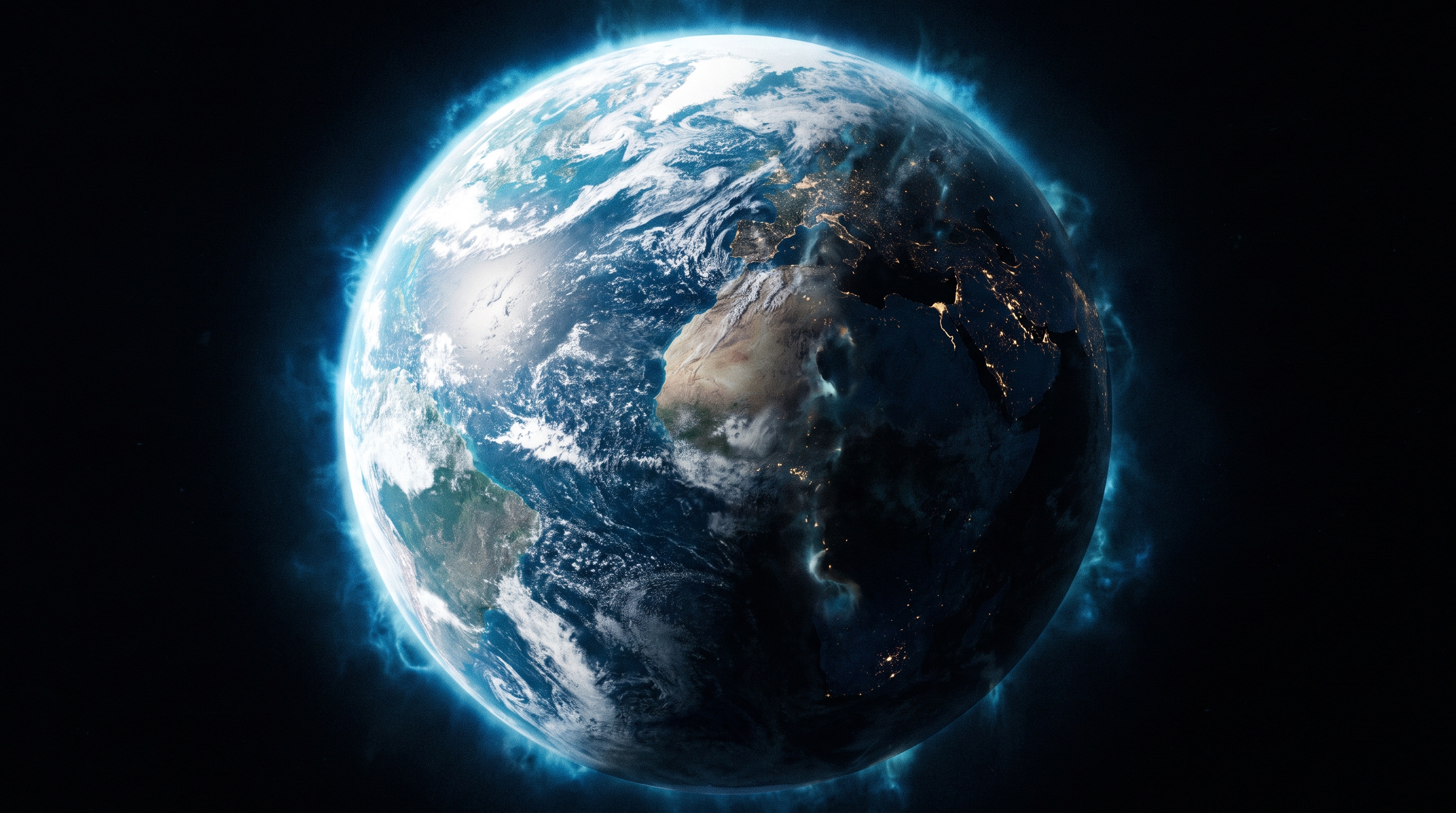
The Pacific Ocean is the largest and deepest ocean on Earth. It covers an enormous part of the planet and stretches between Asia, Australia, North America and South America.
But how large is the Pacific Ocean, how deep is it, and what makes it so important? Here are 10 fascinating facts about the Pacific Ocean.
1. The Pacific Ocean Is the World's Largest Ocean
The Pacific Ocean covers approximately 165 million square kilometers, making it the largest ocean on Earth.
It is so vast that its area is greater than the total land area of all the continents combined.
2. Why Is It Called the Pacific Ocean?
The name "Pacific" is associated with the Portuguese explorer Ferdinand Magellan. During his voyage across the ocean, he encountered relatively calm waters and called it "Mar Pacífico," meaning "peaceful sea."
3. The Deepest Point on Earth Is in the Pacific
The Mariana Trench, located in the western Pacific Ocean, contains the deepest known point on Earth's surface.
The Challenger Deep reaches a depth of nearly 11 kilometers, making it deeper than Mount Everest is high.
4. The Pacific Has Thousands of Islands
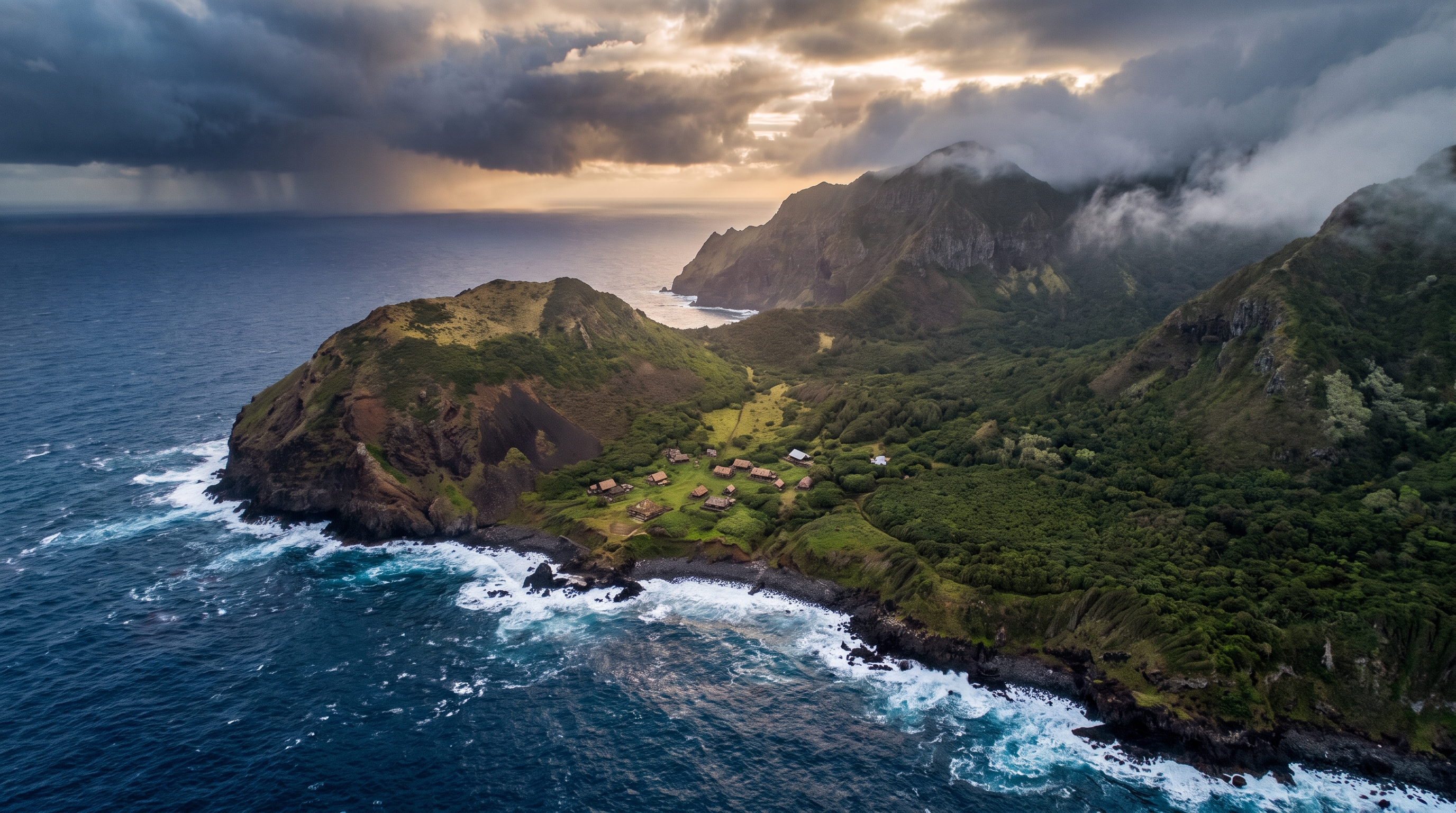
The Pacific Ocean contains thousands of islands and island groups.
Countries and territories across the Pacific include places such as Japan, the Philippines, Indonesia, Fiji, Samoa and many other island nations.
5. The Pacific Ocean Has a "Ring of Fire"
One of the most remarkable features of the Pacific is the Pacific Ring of Fire.
This enormous zone around the ocean is home to many active volcanoes and earthquake-prone areas. A large portion of the world's earthquakes and volcanic activity occurs around this region.
6. It Has a Major Influence on Global Climate
The Pacific Ocean plays a huge role in Earth's climate system.
Phenomena such as El Niño and La Niña can influence temperatures, rainfall, storms and weather patterns in many parts of the world.
7. It Is Home to Incredible Marine Life
The Pacific Ocean supports an enormous variety of marine life.
Whales, sharks, dolphins, sea turtles, coral reefs and countless species of fish live in its waters and surrounding ecosystems.
8. There Is a Huge Accumulation of Plastic Waste
The Pacific is also associated with the Great Pacific Garbage Patch, an area where floating plastic and other marine debris have accumulated.
It highlights one of the world's major environmental challenges: plastic pollution in the oceans.
9. Life Exists Even in the Deepest Parts
Scientists have discovered that life can survive in extremely deep and harsh ocean environments.
Even in areas with enormous pressure and very little light, microorganisms and other organisms are able to exist.
10. The Pacific Ocean Is Vital to the Planet
The Pacific Ocean plays an important role in climate regulation, marine ecosystems, transportation, fishing and the global economy.
Its enormous size makes it one of the most important natural systems on Earth.
Quick Facts About the Pacific Ocean
Largest ocean: Pacific Ocean
Approximate area: 165 million km²
Deepest point: Challenger Deep
Location of deepest point: Mariana Trench
Depth: Nearly 11 km
Major climate phenomena: El Niño and La Niña
Major geological zone: Pacific Ring of Fire
Conclusion
The Pacific Ocean is the largest and deepest ocean on Earth, containing some of the planet's most extraordinary natural features. From the Mariana Trench and thousands of islands to the Ring of Fire and incredible marine biodiversity, the Pacific remains one of the most fascinating places on our planet.