15 Interesting Facts About Iceland You Should Know
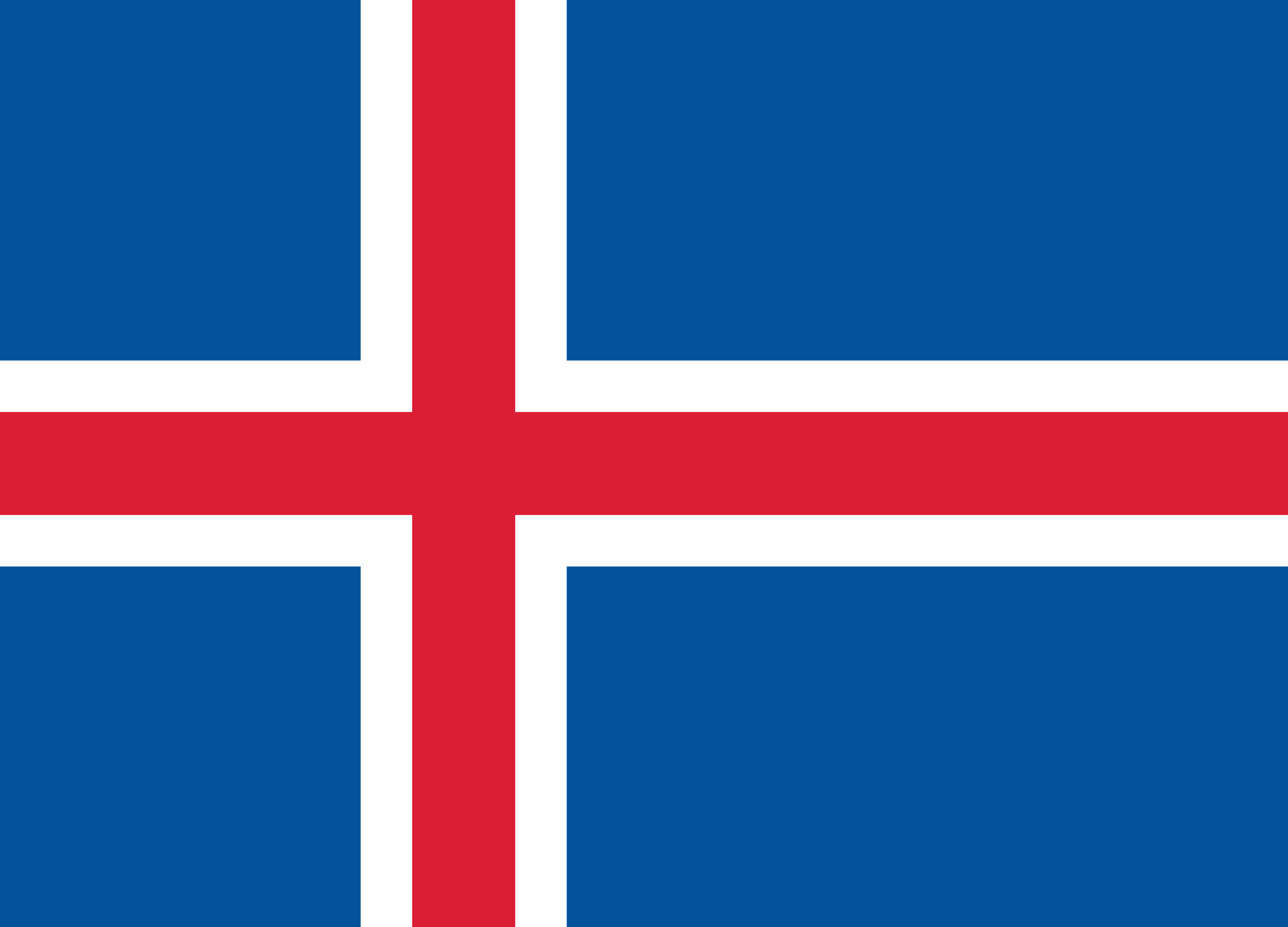
15 Interesting Facts About Iceland
Discover Iceland's volcanoes, glaciers, Northern Lights, waterfalls, and fascinating Viking history.
1. Iceland Is the Land of Fire and Ice

Iceland is famous for its contrasting landscapes. Active volcanoes, enormous glaciers, and black lava fields make the country one of the most geologically fascinating places on Earth.
2. Iceland Lies Between Two Tectonic Plates

Iceland lies on the Mid-Atlantic Ridge, where the North American and Eurasian tectonic plates move apart. This geological setting contributes to earthquakes, volcanic eruptions, and spectacular rock formations.
3. Iceland Has Active Volcanoes

Volcanoes have shaped Iceland for millions of years. Eruptions can create new lava fields and transform the landscape, while volcanic heat provides valuable geothermal energy.
4. Vatnajökull Is an Enormous Glacier

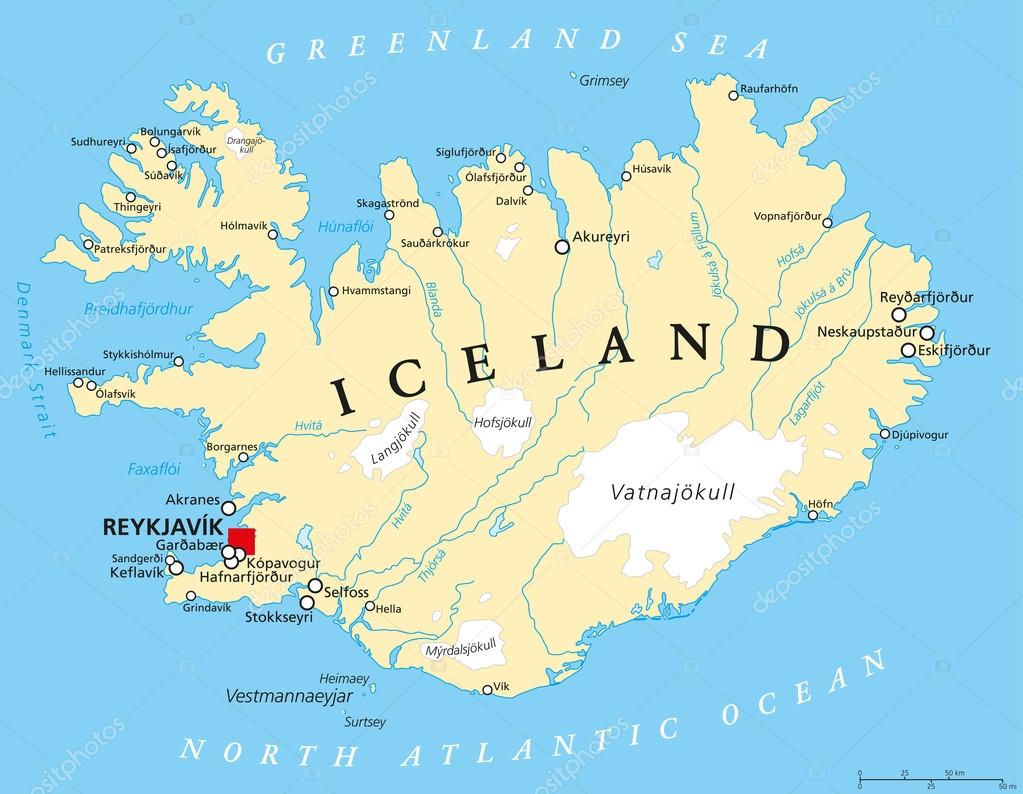
Vatnajökull is Europe's largest glacier by volume and one of the largest ice caps outside the polar regions. It covers a vast area of southeastern Iceland and feeds rivers and glacial lagoons.
5. The Northern Lights Illuminate Iceland's Sky

The Northern Lights, or aurora borealis, create spectacular displays of colour in Iceland's night sky. They are most commonly observed during the darker months, when skies are clear and solar activity is favourable.
6. Iceland Has Magnificent Waterfalls

Iceland is home to countless waterfalls. Skógafoss is famous for its broad curtain of water, while Dettifoss is renowned for its powerful flow and dramatic surroundings.
7. Geothermal Energy Powers Much of Iceland

Iceland uses geothermal energy to heat buildings, supply hot water, and generate electricity. Hydropower is another major source of renewable electricity, making the country's energy system distinctive.
8. The Blue Lagoon Is a Famous Geothermal Spa

The Blue Lagoon is one of Iceland's best-known attractions. Its milky-blue water contrasts beautifully with the surrounding dark volcanic landscape, attracting visitors from around the world.
9. Iceland Experiences the Midnight Sun

During summer, Iceland enjoys exceptionally long days. Around the summer solstice, the Sun remains above the horizon for almost the entire night in Reykjavík, creating beautiful golden light.
10. Reykjavík Is the World's Northernmost National Capital

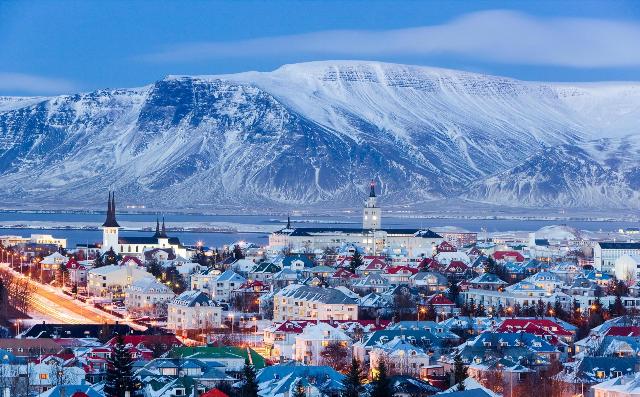
Reykjavík is Iceland's capital and largest city. It combines colourful architecture, museums, restaurants, and cultural attractions with easy access to spectacular natural scenery.
11. Icelandic Is an Ancient Scandinavian Language

Icelandic developed from Old Norse, the language of early Scandinavian settlers. It has preserved many traditional linguistic features and uses distinctive letters such as þ and ð.
12. Iceland Has a Parliamentary Tradition Dating Back to 930 AD

Iceland's Alþingi was established at Þingvellir around 930 AD. It is widely recognised as one of the world's oldest parliamentary institutions, although its historical development included interruptions and changes.
13. Icelandic Horses Are a Unique Breed

Icelandic horses are known for their sturdy bodies, thick coats, and sure-footed movement. Many can perform a distinctive smooth gait called the tölt.
14. Puffins Nest Along Iceland's Coast

Atlantic puffins are among Iceland's most beloved birds. They return to coastal breeding grounds during the breeding season and are recognised by their colourful beaks and distinctive appearance.
15. Iceland Has Vast, Open Landscapes

Iceland has a population of around 400,000 people, with most residents living in coastal areas. Large parts of the country feature mountains, glaciers, lava fields, and sparsely populated highlands.
Conclusion
Iceland is a remarkable country where fire meets ice, ancient traditions coexist with modern technology, and extraordinary natural landscapes stretch towards the horizon.
Which Icelandic attraction would you most like to visit? Share your answer in the comments.