GOBUSTAN’S STONE BOOK: 40,000-YEAR-OLD MYSTERIES
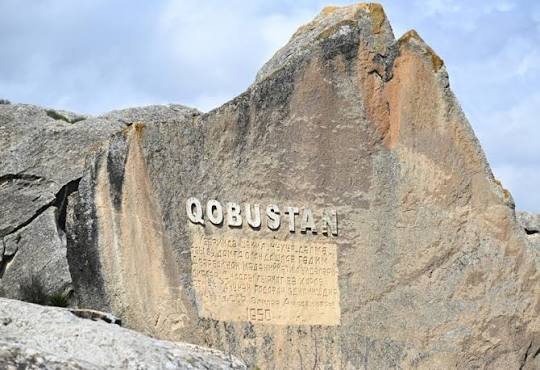
Hidden among the rocky landscapes of Azerbaijan, Gobustan preserves thousands of mysterious marks left by people who lived here thousands of years ago.
Located southwest of Baku, the Gobustan Rock Art Cultural Landscape contains more than 6,000 rock carvings and drawings. UNESCO says the site preserves evidence of rock art spanning roughly 40,000 years.
The carvings depict scenes from the lives of ancient communities, including hunting, fishing, animals, boats, dancing figures and other aspects of daily life. Together, these images provide a remarkable glimpse into how people lived and viewed their world thousands of years ago.
But Gobustan is more than a collection of ancient drawings.
Archaeological research has revealed caves, settlements, burial sites and other traces of human activity in the region. Evidence of human presence at Gobustan extends from the Upper Paleolithic period through the Middle Ages.
What makes the site even more fascinating is that researchers are still studying the meaning and significance of many of its carvings. Some images may represent everyday activities, while others could have had symbolic or ritual meanings.
In 2007, the Gobustan Rock Art Cultural Landscape was added to the UNESCO World Heritage List, recognizing its outstanding archaeological and cultural importance.
Today, when visitors look at the rocks of Gobustan, they are not simply looking at ancient stones. They are looking at a kind of stone archive—a record created by people who lived here thousands of years ago.
And perhaps the most intriguing part is this:
Gobustan’s stone book may still have pages that we have not completely learned to read.