What Happens to Your Body When You Stop Sleeping?
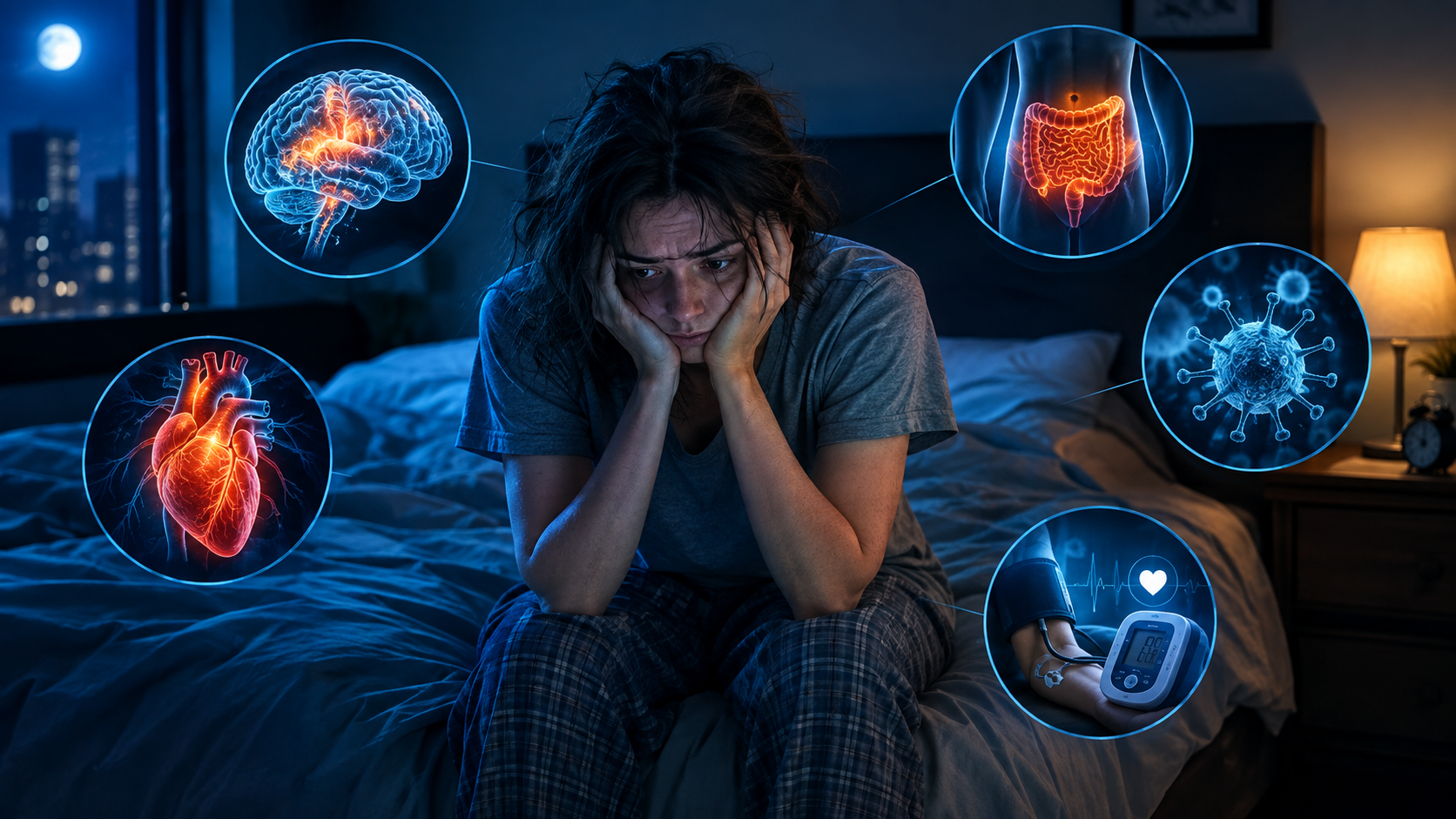
Sleep deprivation can quickly affect the brain, mood, concentration, immune system and cardiovascular health. Prolonged lack of sleep is also linked to a higher risk of several chronic health problems.
Sleep is not simply a period when the body “switches off.” While you sleep, your brain and body continue carrying out essential processes that help maintain physical and mental health.
Most adults need at least 7 hours of sleep each night. However, many people regularly get less sleep than their bodies need.
What Happens When You Don't Get Enough Sleep?
The Brain Starts to Struggle
One of the first noticeable effects of insufficient sleep is reduced concentration and alertness. Reaction times can become slower, decision-making may suffer, and remembering or processing information can become more difficult.
After several nights of losing even one or two hours of sleep per night, your ability to function normally can decline significantly.
Your Mood Can Change
Lack of sleep can make you more irritable, emotionally sensitive and less able to deal with everyday stress.
Long-term sleep problems have also been associated with anxiety, depression and other mental health difficulties.
Your Heart May Be Affected
Sleep plays an important role in cardiovascular health. During normal sleep, heart rate and blood pressure generally decrease.
Persistent insufficient sleep has been associated with high blood pressure and an increased risk of cardiovascular disease.
Hunger and Metabolism Can Change
Sleep affects hormones involved in hunger and fullness. When you don't get enough sleep, your body can experience changes in these hormones, potentially increasing hunger and making overeating more likely.
Sleep deprivation can also affect how the body responds to insulin and regulates blood sugar.
Your Immune System Can Become Weaker
Your immune system also depends on adequate sleep.
Ongoing sleep deficiency can interfere with the body's ability to respond effectively to infections and may increase certain health risks over time.
What Happens If You Don't Sleep at All?
Going without sleep for an extended period is much more serious than simply feeling tired.
As sleep deprivation becomes more seve