10 Abandoned Ghost Towns in America and the Stories Behind Them
Across the United States, entire towns once filled with miners, shopkeepers, families and ambitious entrepreneurs have been left behind. Some were built during gold and silver rushes, while others depended on copper mines, coal production or railway connections. When those industries collapsed, the people who had built their lives around them often had little reason to stay.
Today, these abandoned settlements offer a fascinating glimpse into America's past. Weathered wooden houses, empty streets, rusting machinery and crumbling industrial buildings tell stories of sudden prosperity, economic collapse and communities that disappeared almost as quickly as they emerged.
Here are 10 fascinating ghost towns in America and the stories behind their decline.
1. Bodie, California — The Gold-Rush Town Frozen in Time
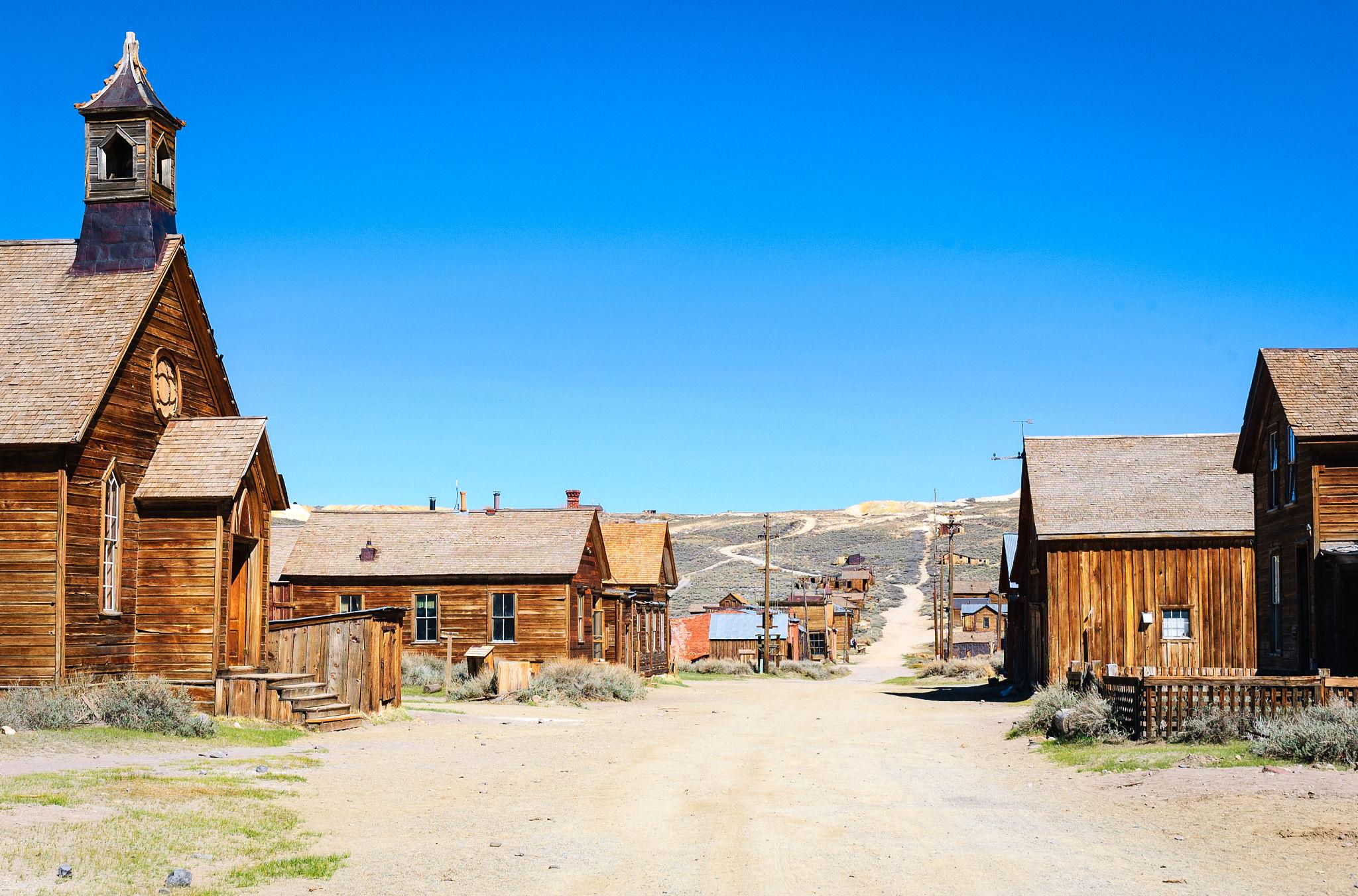
Bodie is one of the most famous and best-preserved mining ghost towns in the American West. Located in California's eastern Sierra Nevada region, it grew from a small mining settlement into a bustling community after rich gold deposits attracted prospectors in the late 19th century.
At its peak, Bodie had thousands of residents and a busy commercial district filled with hotels, saloons, shops, churches and other public buildings. People arrived hoping to become wealthy, and the town developed a reputation for its rough frontier atmosphere.
However, mining fortunes fluctuated. As profitable deposits became harder to find, residents began moving elsewhere. Fires destroyed large sections of the town, and mining operations finally stopped in 1942.
Today, Bodie is preserved as a historic state park. More than 100 historic buildings remain, offering visitors a remarkable view of a once-thriving mining community.
Why was it abandoned? Declining mining activity, destructive fires and the eventual suspension of mining operations.
2. Rhyolite, Nevada — A Boomtown That Collapsed Almost Overnight
Rhyolite, near Beatty in Nevada, became a symbol of the extraordinary rise and fall of American mining towns.
Gold discoveries in the surrounding area in 1904 triggered a rush of prospectors and investors. Businesses appeared rapidly, and the settlement grew to include hotels, shops, banks, railway facilities and entertainment venues.
That optimism did not last. The financial panic of 1907 weakened investment, mines began closing and businesses struggled to survive. By 1910, the town's population had fallen dramatically. The principal mine and mill closed in 1911, and electricity was finally switched off in 1916.
Today, visitors can see the remains of substantial buildings, including parts of a three-story bank and the famous Bottle House, constructed using glass bottles.
Why was it abandoned? Financial instability, declining mining profitability and the closure of major industrial operations.
3. Kennecott, Alaska — The Copper Town in the Wilderness
Deep in Alaska's mountainous wilderness stands Kennecott, a historic mining settlement surrounded by spectacular landscapes and glaciers.
The discovery of exceptionally rich copper deposits in 1900 led to the development of one of the region's most ambitious industrial operations. Building a railway, mines and processing facilities in such a remote environment required enormous investment and engineering effort.
Kennecott became a self-contained company town. It had accommodation, a school, a hospital, a general store and recreational facilities for workers and their families.
Eventually, the richest ore deposits diminished, operating costs increased and the economics of the operation deteriorated. The mines closed in 1938, and the company left the settlement.
Today, Kennecott is a National Historic Landmark within Wrangell–St. Elias National Park and Preserve.
Why was it abandoned? Depleted high-grade copper deposits, rising costs and the closure of the mining operation.
4. Centralia, Pennsylvania — The Town Above a Burning Coal Mine
Centralia is different from the classic gold-rush ghost towns. Its decline was driven not by the disappearance of precious metals but by an underground coal-mine fire.
The fire began in 1962 and spread through abandoned mine workings beneath the Pennsylvania community. Over time, the underground blaze created serious safety concerns, including hazardous gases and the danger of ground subsidence.
Government efforts to control the fire proved unsuccessful. As the risks became clearer, authorities established programmes to acquire affected properties and relocate residents. Much of the community was eventually emptied.
Centralia's story is a reminder that abandoned industrial infrastructure can create environmental problems lasting for generations.
Why was it abandoned? A persistent underground coal fire, environmental hazards and unsafe ground conditions.
Safety note: The affected area can be dangerous because of hazardous gases and unstable ground. Visitors should obey official restrictions and avoid unsafe locations.
5. Garnet, Montana — A Forgotten Mountain Mining Settlement
Hidden among Montana's forested mountains, Garnet preserves the atmosphere of a remote mining community from the late 19th and early 20th centuries.
Like many settlements in the American West, Garnet attracted people hoping to find gold and build profitable businesses around the mining industry. Miners needed supplies, accommodation, food and entertainment, creating opportunities for merchants and other workers.
But mining communities depended heavily on the continued success of their principal industry. When mining activity declined, employment opportunities disappeared, and maintaining a remote settlement became increasingly difficult.
Garnet gradually lost residents and eventually became a historic site. Its surviving wooden structures provide a glimpse into the everyday life of people who settled in isolated mountain communities.
Why was it abandoned? Declining mining activity and the loss of the economic opportunities that sustained the settlement.
6. St. Elmo, Colorado — A Mining Town in the Rocky Mountains
St. Elmo is a historic mining settlement in Colorado's Sawatch Range, where silver and gold mining once attracted workers and entrepreneurs.
The town developed during the mining expansion of the late 19th century. Its location in the Rocky Mountains made it dependent on transport links, mining employment and businesses that served the local population.
As mining fortunes weakened and railway service eventually ended, the community lost much of its economic foundation. Many residents departed, leaving behind wooden buildings that have survived against a dramatic mountain backdrop.
St. Elmo illustrates how geography could make a mining settlement both beautiful and economically vulnerable.
Why was it abandoned? The decline of mining and the loss of transport connections that supported the local economy.
7. Calico, California — The Silver Boom That Faded
Calico, in California's Mojave Desert, grew rapidly after silver was discovered in the surrounding mountains in the 1880s.
The discovery attracted miners, investors and business owners. A settlement developed to support the mines, and the town became part of the wider mining boom that transformed parts of the American West.
However, the value of silver declined sharply in the 1890s, making many mining operations less profitable. As the industry contracted, residents moved away in search of work and more promising opportunities.
Calico later became a restored historic attraction. It is not entirely abandoned in the same sense as a deserted settlement with no tourism infrastructure, but its preserved and reconstructed buildings help visitors understand the atmosphere of a silver-mining town.
Why was it abandoned? Falling silver prices and the declining profitability of local mines.
8. Goldfield, Nevada — The Rise and Fall of a Gold Capital
Goldfield experienced a spectacular mining boom in the early 20th century. Gold discoveries attracted prospectors and investors, and the settlement developed into one of Nevada's most important mining centres.
During its peak, Goldfield had a substantial population and the commercial infrastructure of a growing city. Its success demonstrated how quickly a remote settlement could expand when valuable mineral deposits were discovered.
But the boom was followed by a prolonged decline. Gold production weakened, a major flood damaged buildings in 1913, and a devastating fire in 1923 destroyed much of the town. These setbacks accelerated the decline of an already vulnerable mining economy.
Goldfield did not disappear completely. A smaller community survives today, while historic buildings and ruins preserve evidence of its former importance.
Why was it abandoned in large part? Declining gold production, natural disasters and the loss of its former economic prominence.
9. Skidoo, California — A Gold-Rush Settlement Lost to the Desert
Skidoo emerged during the gold rushes of the early 20th century in the Death Valley region of California.
The promise of gold drew prospectors into an unforgiving environment where water was scarce, temperatures could be extreme and transporting supplies was difficult. A small mining community developed to support the activity.
Like many settlements in isolated desert regions, Skidoo depended on the continued profitability of its mines. As the mining opportunity faded, the community lost its reason for existing.
Unlike ghost towns with rows of preserved buildings, little remains of Skidoo's original townsite today. Its story is a reminder that some abandoned communities have almost entirely disappeared from the landscape.
Why was it abandoned? The decline of mining activity and the challenges of sustaining a settlement in a remote desert environment.
10. Thurmond, West Virginia — The Railway Town That Lost Its Purpose
Thurmond, in West Virginia, developed as a railway and coal-related community during the expansion of the region's industrial economy.
Railway activity helped the settlement prosper by connecting local coal production with wider markets. Businesses and workers depended on the movement of trains and the economic activity surrounding the railway.
Over time, changes in railway operations and the decline of the town's former industrial role reduced its importance. Residents left, commercial activity diminished and many buildings fell quiet.
Thurmond survives as a historic railway community, illustrating how a town can decline when the transport network that sustained it changes.
Why was it abandoned in large part? Changes in railway operations and the decline of the industries that supported local employment.
Why Did So Many American Ghost Towns Disappear?
Although each settlement had its own history, several recurring factors explain why communities across the United States were abandoned.
1. Mines stopped producing profitable minerals. Many towns existed because of a single resource. When deposits were exhausted or extraction became too expensive, employment and investment disappeared.
2. Commodity prices fell. A mine could become unprofitable even when minerals remained underground. Falling prices often forced businesses to close and workers to leave.
3. Natural disasters damaged communities. Fires, floods and other hazards destroyed homes, businesses and infrastructure, making recovery difficult for already struggling towns.
4. Transport connections disappeared. Some settlements depended on railway lines or roads that connected mines with distant markets. When those links lost their importance, local economies suffered.
5. Living conditions were difficult. Remote locations, severe weather and limited access to essential supplies made it harder to sustain communities after their economic foundations weakened.
Can You Visit These Ghost Towns Today?
Some American ghost towns are protected historic sites where visitors can explore preserved buildings and learn about local history. Others are private property, hazardous industrial sites or remote locations that require careful planning.
Before visiting, check the relevant park or government website for current access conditions, opening hours, road restrictions and safety advice. Do not enter abandoned mines, unstable buildings or restricted properties.
Centralia deserves particular caution because authorities warn of dangerous gases and unstable ground in the affected area.
Conclusion: When the Boom Ends, What Remains?
America's ghost towns tell stories of ambition, hardship and the unpredictable nature of economic growth. Bodie preserves the atmosphere of a gold-rush settlement, Rhyolite reveals the fragility of a speculative boom, Kennecott illustrates the scale of industrial mining, and Centralia demonstrates how environmental hazards can reshape an entire community.
These places are more than abandoned buildings. They are reminders that towns depend on people, jobs, infrastructure and the resources that sustain everyday life.
Their quiet streets invite an intriguing question: if an entire community can rise and disappear within a few generations, which places today might face a similar future?
Which of these abandoned American towns would you most like to learn more about? Share your thoughts in the comments.