Why Is AI Using So Much Electricity? The Hidden Energy Cost of Artificial Intelligence
Why Is AI Using So Much Electricity? The Hidden Energy Cost of Artificial Intelligence
Artificial intelligence is becoming part of everyday life. People use AI to write emails, create images, translate languages, analyze information, write software and answer questions in seconds.
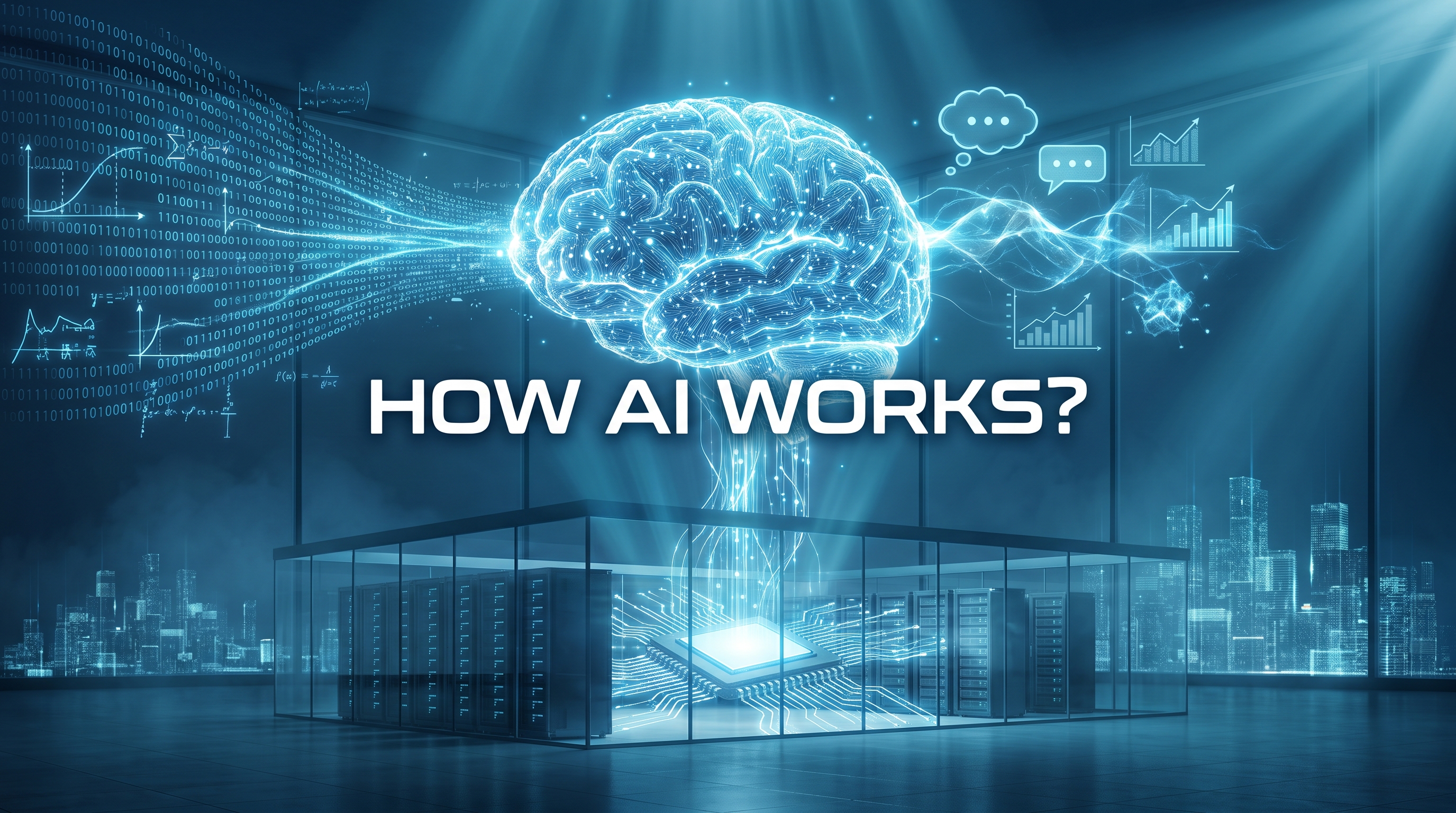
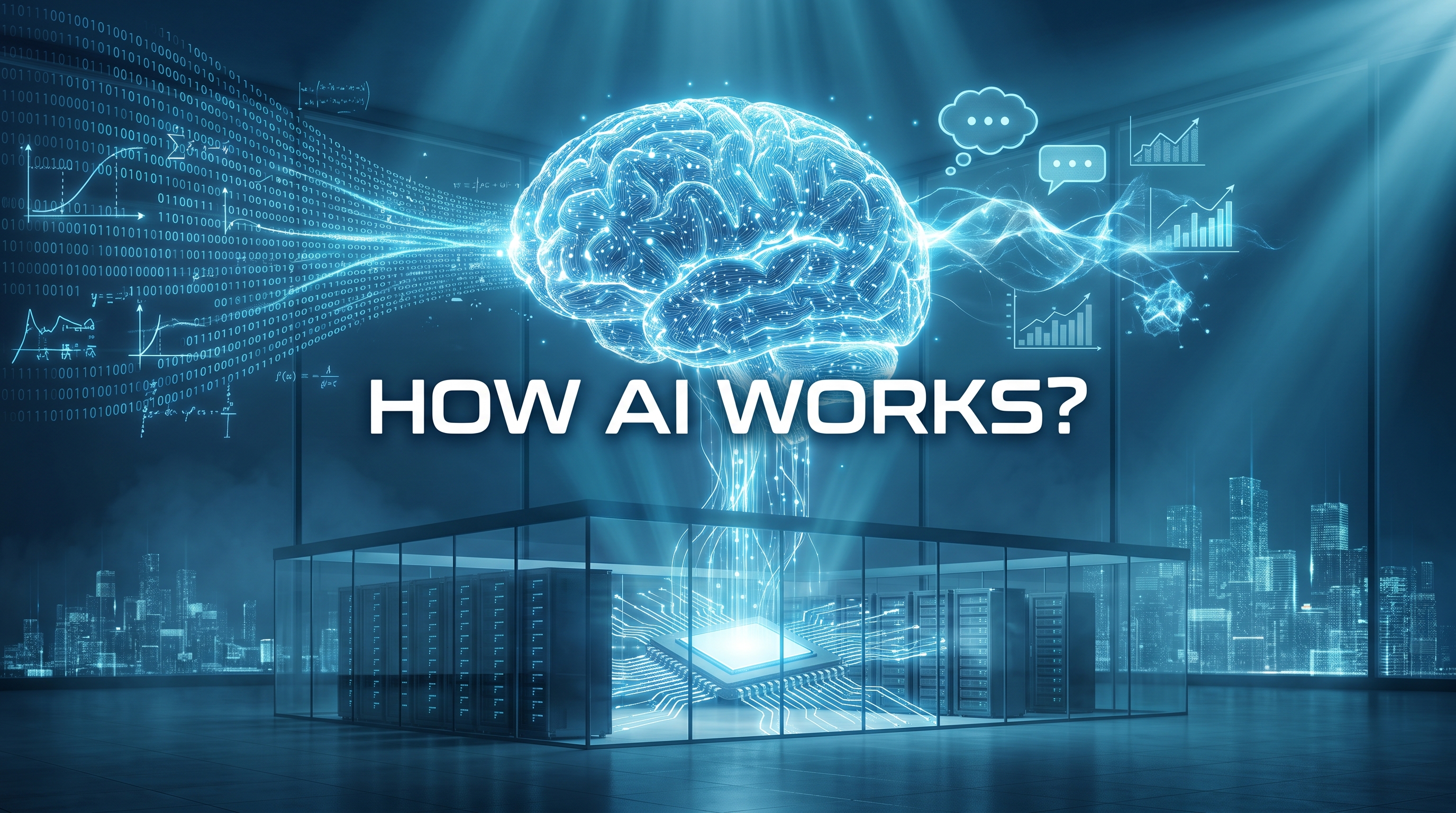
But behind every AI response is something most users rarely see: enormous computing infrastructure running inside data centers.
And that infrastructure needs electricity — a lot of it.
As AI systems become more powerful and more widely used, the amount of electricity required to operate the computers behind them is becoming an important global energy issue.
AI Does Not Live in the Cloud
We often say that our files or AI tools are stored “in the cloud.” In reality, the cloud is made up of physical computers located inside large data centers.
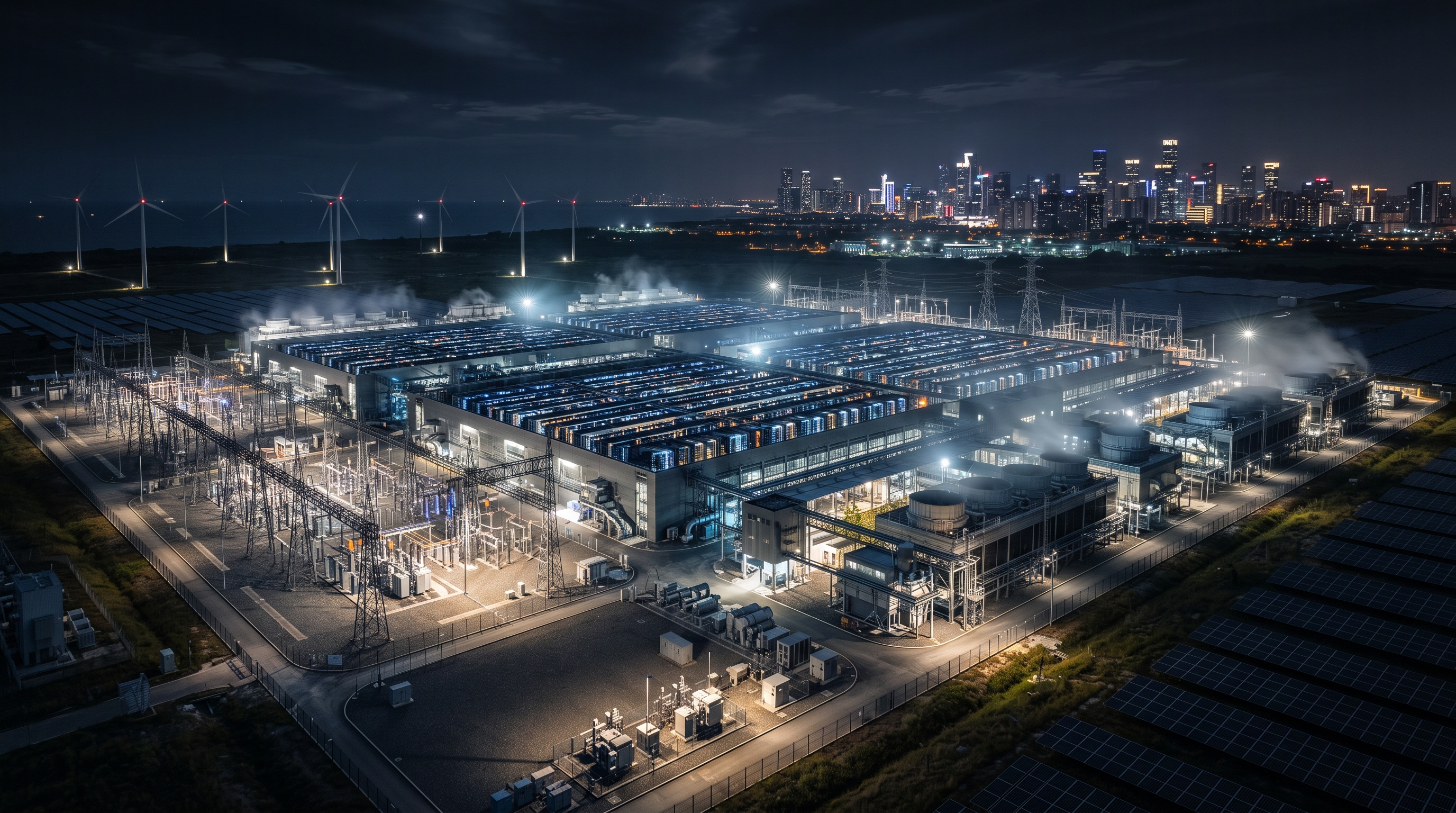
These facilities contain thousands, and sometimes hundreds of thousands, of processors and other pieces of equipment. They operate around the clock and require electricity not only for computing, but also for cooling, networking and other supporting systems.
AI is particularly demanding because modern AI models require powerful chips to process huge amounts of information.
Training a sophisticated AI model can require enormous computing resources. But training is only part of the story.
Every time millions of people ask an AI system a question, generate an image or use an AI-powered application, computers have to perform calculations to produce the result.
This ongoing process is known as inference.
As AI becomes more popular, inference can become a major source of electricity demand.
How Big Is the Energy Demand?
The numbers are already significant.
The International Energy Agency estimates that global data-center electricity consumption was about 485 terawatt-hours (TWh) in 2025. Its updated projections suggest that this figure could roughly double to around 950 TWh by 2030.
That would represent around 3% of global electricity demand.
The important point is not simply the percentage. It is the speed of the increase.
According to the IEA, electricity consumption from data centers is growing much faster than overall electricity demand. AI-focused data centers are expected to grow particularly quickly during this period.
In other words, AI is creating a new electricity demand at a time when the world is already becoming more dependent on electricity for transportation, heating, industry and other technologies.
Why Does AI Need So Much Power?
There are several reasons.
1. Powerful AI chips consume large amounts of electricity
Modern AI systems depend heavily on specialized processors designed to perform enormous numbers of calculations.
The more advanced the model, the greater the computing resources that may be required.
AI companies are therefore building increasingly powerful computing clusters containing large numbers of high-performance chips.
2. AI data centers are getting larger
The AI boom has triggered a race to build new data centers.
These facilities are not ordinary office buildings. They are industrial-scale computing environments designed to operate continuously.
The expansion is already affecting electricity infrastructure in several countries.
The IEA estimates that data centers could account for a substantial share of electricity-demand growth in some major markets. In the United States, data centers are projected to account for nearly half of electricity-demand growth through 2030.
3. Cooling requires energy too
Computers generate heat.
Thousands of powerful processors operating continuously can produce enormous amounts of it.
That heat must be removed to prevent equipment from overheating. Depending on the design of a facility, data centers can use sophisticated air-cooling or liquid-cooling systems.
As computing power increases, managing heat becomes an increasingly important engineering challenge.
4. AI usage is expanding rapidly
Perhaps the biggest factor is simple: more people are using AI.
AI is moving beyond experimental chatbots.
It is being integrated into search engines, office software, customer service, programming tools, smartphones, medical research, scientific computing and many other areas.
If billions of AI interactions occur every day, even relatively small amounts of electricity per interaction can add up to enormous demand.
Does One AI Question Use a Lot of Electricity?
This is where the story becomes more complicated.
It is tempting to ask how much electricity is used by one AI question and assign a single number.
But there is no universal answer.
Energy use can vary depending on the AI model, the hardware, the length and complexity of the request, the type of output being generated and the efficiency of the data center.
Generating a short text response is not necessarily comparable to generating a high-resolution image or processing a complex AI task.
The electricity used by a single interaction may be relatively small. The bigger issue is scale.
One AI request is small.
Millions or billions of requests every day are not.
AI Is Also Changing the Energy Industry
The AI boom is not simply creating more demand for electricity. It is also changing the way energy companies and governments think about infrastructure.
New data centers often require enormous amounts of reliable power.
That means developers need access to electricity grids, transmission lines, substations and generation capacity.
The IEA projects that global electricity generation needed to supply data centers could rise from about 460 TWh in 2024 to more than 1,000 TWh by 2030 in its base case.
This creates an unusual relationship between two industries that were once discussed separately.
The future of AI increasingly depends on the future of electricity.
The Grid Is Becoming Part of the AI Story
Building a data center is only one part of the problem.
The electricity has to reach it.
In some regions, existing power grids were not designed for the rapid arrival of huge new electricity consumers.
That can create delays in connecting new facilities and increase pressure on transmission and distribution infrastructure.
The issue is already visible in the United States.
The U.S. Energy Information Administration expects American electricity consumption to reach new records in both 2026 and 2027, with data centers among the important drivers of growth.
Recent debates in California and other parts of the United States have also focused on who should pay for the infrastructure required to serve rapidly expanding data-center demand.
Could AI Increase the Use of Renewable Energy?
Yes, but the answer is not simple.
Growing electricity demand could encourage more investment in solar, wind, batteries, nuclear power and other forms of generation.
The IEA expects renewables to meet a significant portion of the additional electricity demand from data centers over the coming years. Natural gas and other sources are also expected to contribute, while nuclear power is projected to become increasingly important later in the decade.
This means the AI boom could indirectly accelerate investment in new energy infrastructure.
However, building renewable generation and the transmission infrastructure needed to connect it can take years.
AI demand is growing quickly, while energy infrastructure generally cannot be built overnight.
That timing difference is one of the central challenges.
What About Water?
Electricity is not the only resource involved.
Many data centers also need water for cooling, although the amount varies considerably depending on the cooling technology, climate and facility design.
This has made data-center construction a local environmental issue in some regions.
Communities are increasingly asking questions such as:
How much electricity will a new data center consume?
How much water will it require?
Who will pay for new infrastructure?
And what economic benefits will the local community receive?
These questions are likely to become more important as AI infrastructure expands.
Does This Mean AI Is Bad for the Environment?
Not necessarily.
The environmental impact of AI depends on how the electricity is produced, how efficiently computing equipment operates, how data centers are designed and how quickly cleaner energy infrastructure expands.
A data center powered primarily by low-carbon electricity has a different environmental footprint from one relying heavily on fossil fuels.
At the same time, AI itself could potentially help reduce energy consumption elsewhere.
AI systems are being explored for optimizing electricity grids, improving industrial efficiency, forecasting renewable energy production and reducing waste.
This creates a paradox.
AI can increase electricity demand while also potentially helping other industries use energy more efficiently.
The final environmental impact will depend on which effect becomes larger.
The Hidden Infrastructure Behind the AI Revolution
For ordinary users, AI appears almost magical.
You type a question.
A few seconds later, an answer appears.
But behind that simple interaction can be a chain of physical infrastructure: advanced chips, servers, cooling systems, networking equipment, buildings, power lines and electricity generation.
The AI revolution is therefore also an infrastructure revolution.
The next phase of competition in artificial intelligence may not depend only on who has the most advanced model.
It may also depend on who can secure enough computing power, electricity, cooling capacity and reliable infrastructure.
The Future of AI May Be an Energy Question
Artificial intelligence is often described as a software revolution.
But software ultimately runs on hardware, and hardware runs on electricity.
As AI systems become more powerful and more widely used, the relationship between artificial intelligence and energy will become increasingly difficult to ignore.
The world is entering a period in which computing capacity and electricity capacity are becoming closely connected.
The central question is no longer simply how intelligent AI can become.
It is also whether the world can build enough efficient, reliable and increasingly clean energy infrastructure to support it.
That makes electricity one of the most important — and least visible — resources behind the AI revolution.