Europe’s Potato Crisis Deepens as Extreme Heat and Drought Cut Harvests
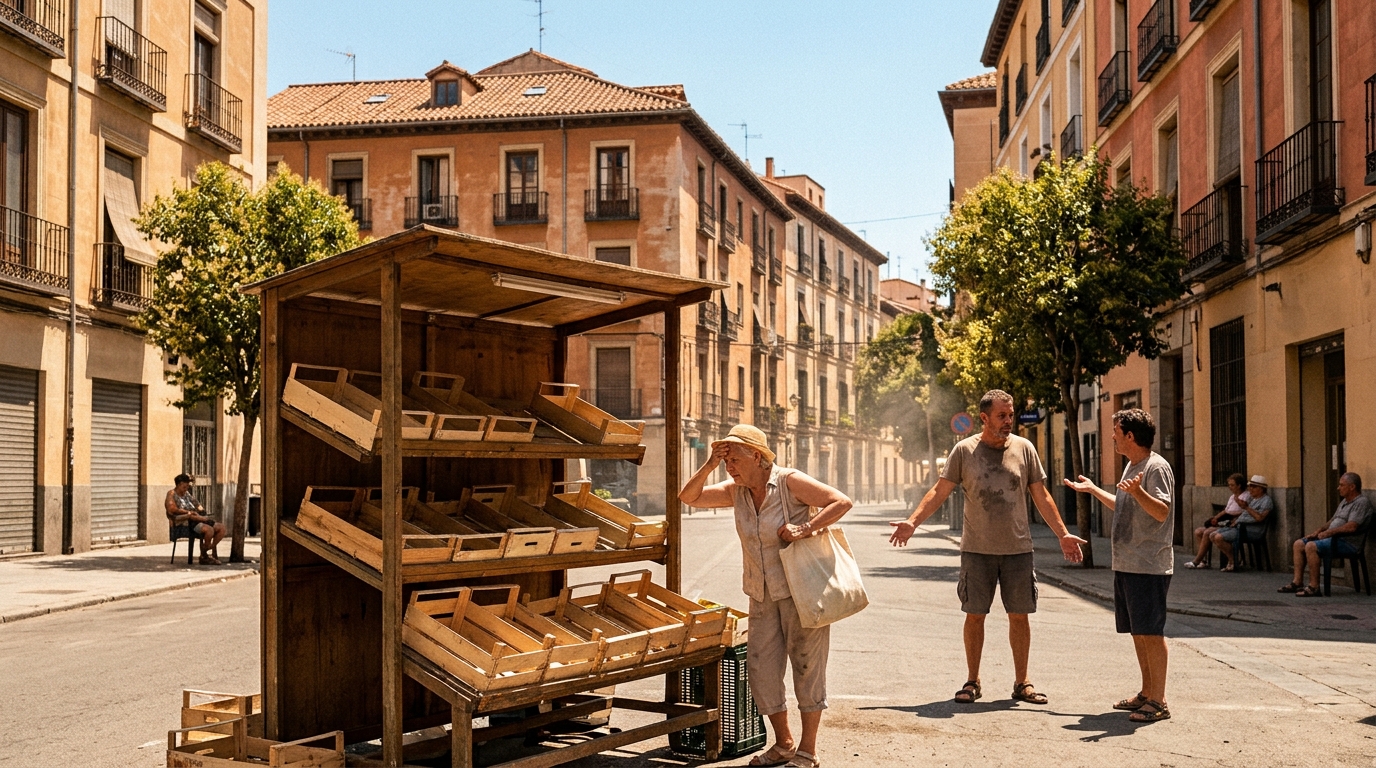
Europe’s potato market is facing a difficult season as extreme heat, drought and reduced planting combine to threaten supplies and push prices higher.
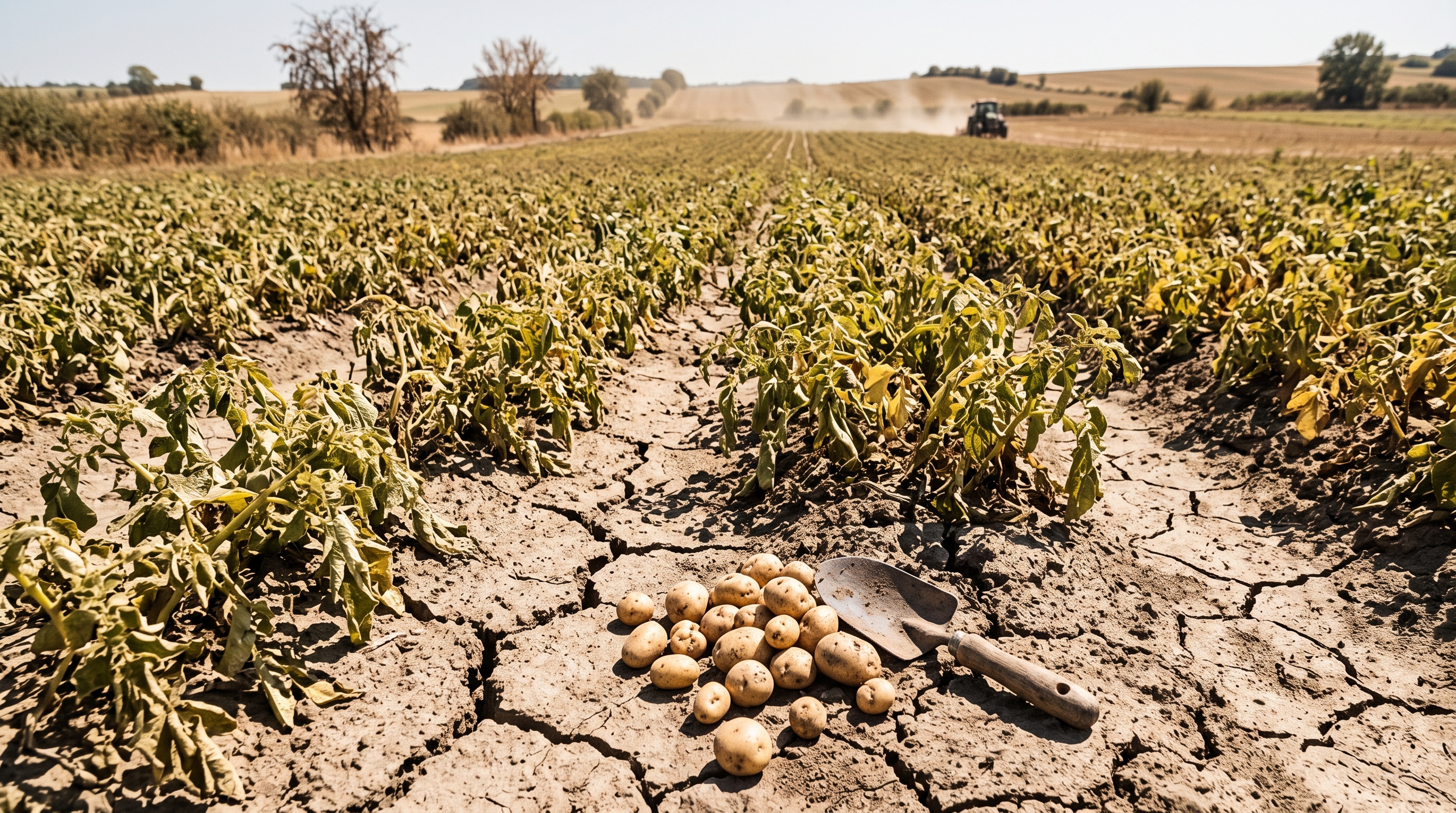
The latest estimates indicate that millions of tonnes of potatoes could be lost across some of Europe’s biggest producing countries. Germany, France, Belgium and the Netherlands are among the markets facing significant production pressure after an unusually hot and dry growing season.
According to calculations by the Energy and Climate Intelligence Unit (ECIU), extreme weather could account for around 3.1 million tonnes of lost potato production. The situation has been compounded by decisions made after last year’s record harvest.
In 2025, abundant supplies contributed to lower potato prices, prompting some farmers to reduce the amount of land planted with potatoes. As a result, another estimated 3.6 million tonnes of potential production was not planted this year.
Potato production could fall sharply
The four major European producers recorded a combined potato harvest of about 27.3 million tonnes in 2025. This year, however, production is projected to fall to between 19.5 million and 20.5 million tonnes.
Such a decline could put additional pressure on the European potato market, particularly because potatoes are not only sold fresh but are also an important raw material for the food-processing industry.
France has already reported substantial losses in some growing regions. In certain areas, yields are estimated to have fallen by as much as 20 percent.
The problem is not simply the quantity of potatoes available. Weather conditions can also affect the size and quality of the crop, making a portion of the harvest unsuitable for specific processing requirements.
Why French fries could become more expensive
The effects could extend beyond supermarket shelves.
Potatoes are a key ingredient in the production of frozen French fries, crisps and other processed foods. When supplies decline, processors may face higher costs for raw materials.
Market data cited in reports on the European potato sector show that prices for processing potatoes have risen sharply in several countries compared with last year.
In France, for example, the reported price of food potatoes has increased substantially, while prices for potatoes intended for processing have also moved higher in parts of Europe.
For consumers, this could eventually mean higher prices for potato-based products. Restaurants and fast-food chains could also face greater pressure on their operating costs.
A problem created by two consecutive seasons
One of the most notable aspects of the current situation is that the crisis has developed from two different factors.
The first was an exceptionally strong harvest in 2025, which contributed to lower prices and encouraged some farmers to plant fewer potatoes.
The second came in 2026, when extreme heat and drought damaged crops that had already been planted.
In other words, farmers reduced production following a year of low prices, only to face unusually difficult growing conditions in the following season.
This combination has created a tighter supply situation than would have been caused by weather alone.
When could shortages become more visible?
Existing stocks could help prevent an immediate supply shock. However, reports indicate that available reserves may provide some protection until around the Christmas period.
The situation could become more noticeable later in the season, particularly as Europe approaches Easter, when demand for food products and processed potatoes remains important.
Whether consumers will face widespread shortages or mainly higher prices will depend on several factors, including remaining stocks, imports, weather conditions and the performance of the next growing season.
Climate risk is becoming harder to ignore
The latest potato problems also highlight a broader challenge for European agriculture.
Potatoes are particularly sensitive to heat and water availability during important stages of their growth. Repeated periods of drought can reduce both yields and the proportion of potatoes that meet commercial size requirements.
For farmers, this creates a difficult balance. Planting too much can lead to oversupply and low prices, while planting too little can leave the market vulnerable when weather conditions damage the harvest.
Europe’s potato market therefore illustrates how extreme weather and agricultural economics can interact. A record harvest can push prices down and influence planting decisions, while the following year’s drought can quickly transform an oversupply problem into a supply shortage.
For consumers, the immediate consequence may be relatively simple: potatoes and products made from them could become more expensive as European supplies tighten.