How Does Inflation Actually Affect Your Money?
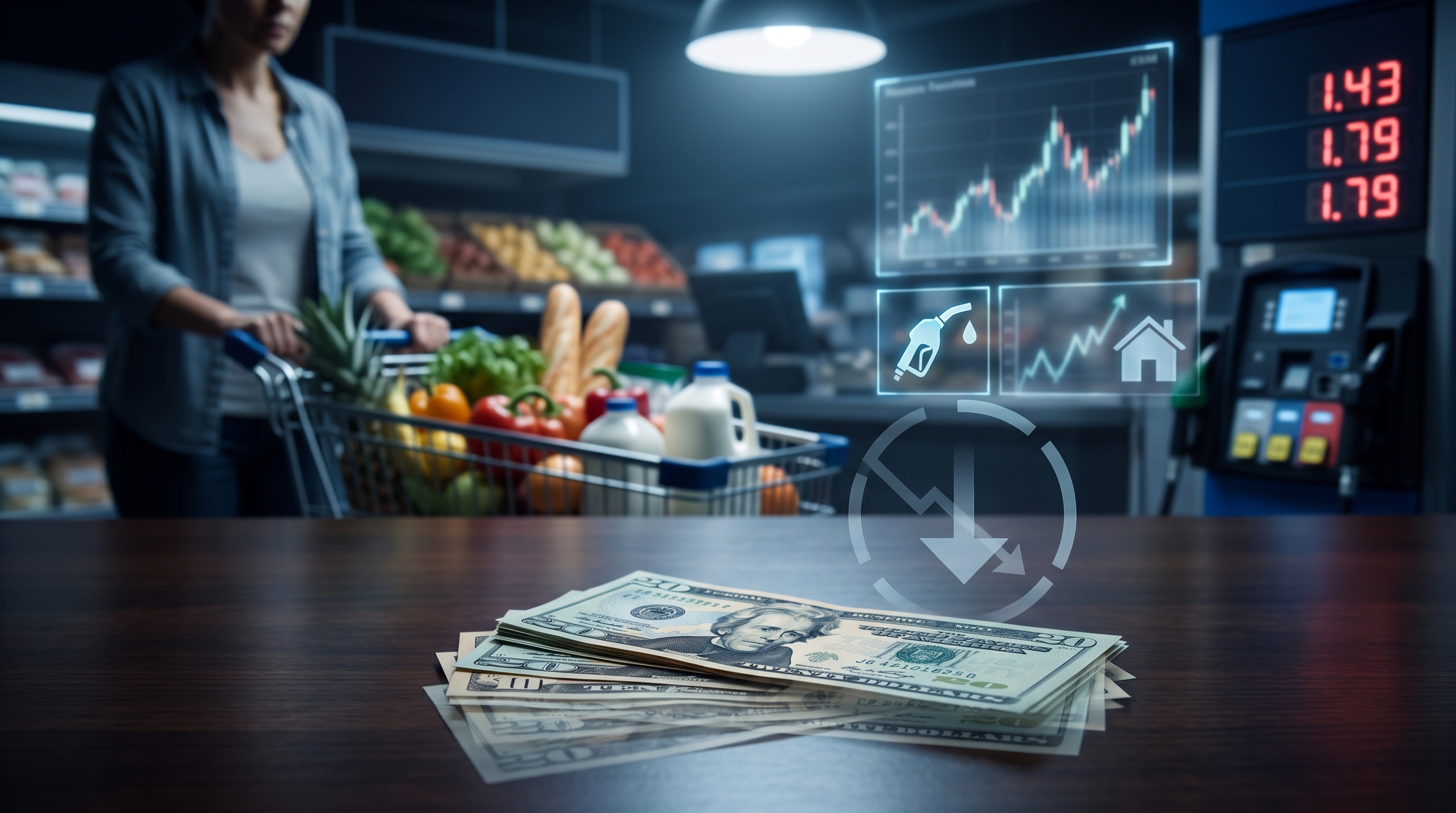
You may notice that groceries cost more, restaurant bills are higher and everyday expenses seem to increase over time. But what is actually happening to your money when prices rise?
The answer is inflation.
Inflation means that the general price of goods and services increases over time. When this happens, the purchasing power of money decreases. In simple terms, the same amount of money can buy fewer things than it could before.
But how does inflation affect your money in everyday life?
Why Does Inflation Make Money Worth Less?
Imagine you have $100 today. If prices rise significantly over the next few years, that same $100 may not be enough to buy the same amount of goods and services.
The number printed on the banknote has not changed. You still have $100. But its purchasing power has fallen.
This is one of the most important effects of inflation: your money may lose value in terms of what it can actually buy.
How Does Inflation Affect Everyday Expenses?
Inflation can affect almost every part of household spending.
Food, transportation, housing, electricity, clothing and services can all become more expensive. However, prices do not necessarily increase at the same speed.
For example, the price of groceries may rise faster than the price of some other goods. This means inflation can affect different households in different ways depending on what they buy most often.
What Happens to Your Savings?
Inflation can also affect money sitting in a savings account.
If your savings earn an interest rate that is lower than the inflation rate, your account balance may increase in numbers while its purchasing power decreases.
For example, if your savings grow by 3% but prices increase by 5%, the money has technically increased, but it may buy less than before.
This is why the difference between interest rates and inflation is important when thinking about long-term savings.
How Does Inflation Affect Salaries?
Inflation can make salary increases feel smaller than they appear.
Suppose your salary increases by 5%, but the prices of the goods and services you regularly purchase also increase by 5%. Your income has increased, but your purchasing power may not have improved significantly.
What matters is not only how much money you earn, but also what that money can buy.
How Does Inflation Affect Borrowing?
Inflation can have different effects on borrowers and lenders.
For someone with a fixed-rate loan, inflation may reduce the real value of future payments because the borrower is repaying the debt with money that has lower purchasing power.
However, interest rates and loan conditions can change, and new borrowing can become more expensive when central banks raise interest rates to control inflation.
Why Do Central Banks Care About Inflation?
Central banks closely monitor inflation because rapidly rising prices can create uncertainty for households and businesses.
When inflation becomes too high, central banks may increase interest rates to reduce borrowing and spending. The goal is generally to slow demand and bring price growth under control.
However, higher interest rates can also make mortgages, business loans and other forms of borrowing more expensive.
Can Inflation Ever Be Normal?
Yes.
A low and stable level of inflation is common in many economies. The bigger concern is usually inflation that becomes unusually high, persistent or unpredictable.
When prices change rapidly, households may find it harder to plan their spending, while businesses may face greater uncertainty about costs and investment.
The Bottom Line
Inflation does not simply mean that prices are going up. It changes the purchasing power of money.
If your income, savings or investments do not keep pace with rising prices, the amount of goods and services your money can buy may decline over time.
Understanding inflation helps explain why a price that seemed expensive years ago may appear normal today—and why simply having more money does not always mean having more purchasing power.