Best Places to Visit in the Netherlands: 10 Must-See Attractions
Best Places to Visit in the Netherlands: 10 Must-See Attractions
The Netherlands is one of Europe's most attractive travel destinations, known for its historic canals, colorful tulip fields, traditional windmills, charming villages and world-famous museums. From the lively streets of Amsterdam to the peaceful waterways of Giethoorn, the country offers a wide variety of experiences for visitors of all ages.
Whether you are planning a weekend break, a family holiday or a longer European trip, discovering the best places to visit in the Netherlands can help you make the most of your journey. Here are 10 attractions worth adding to your travel itinerary.
1. Amsterdam: The Heart of the Netherlands
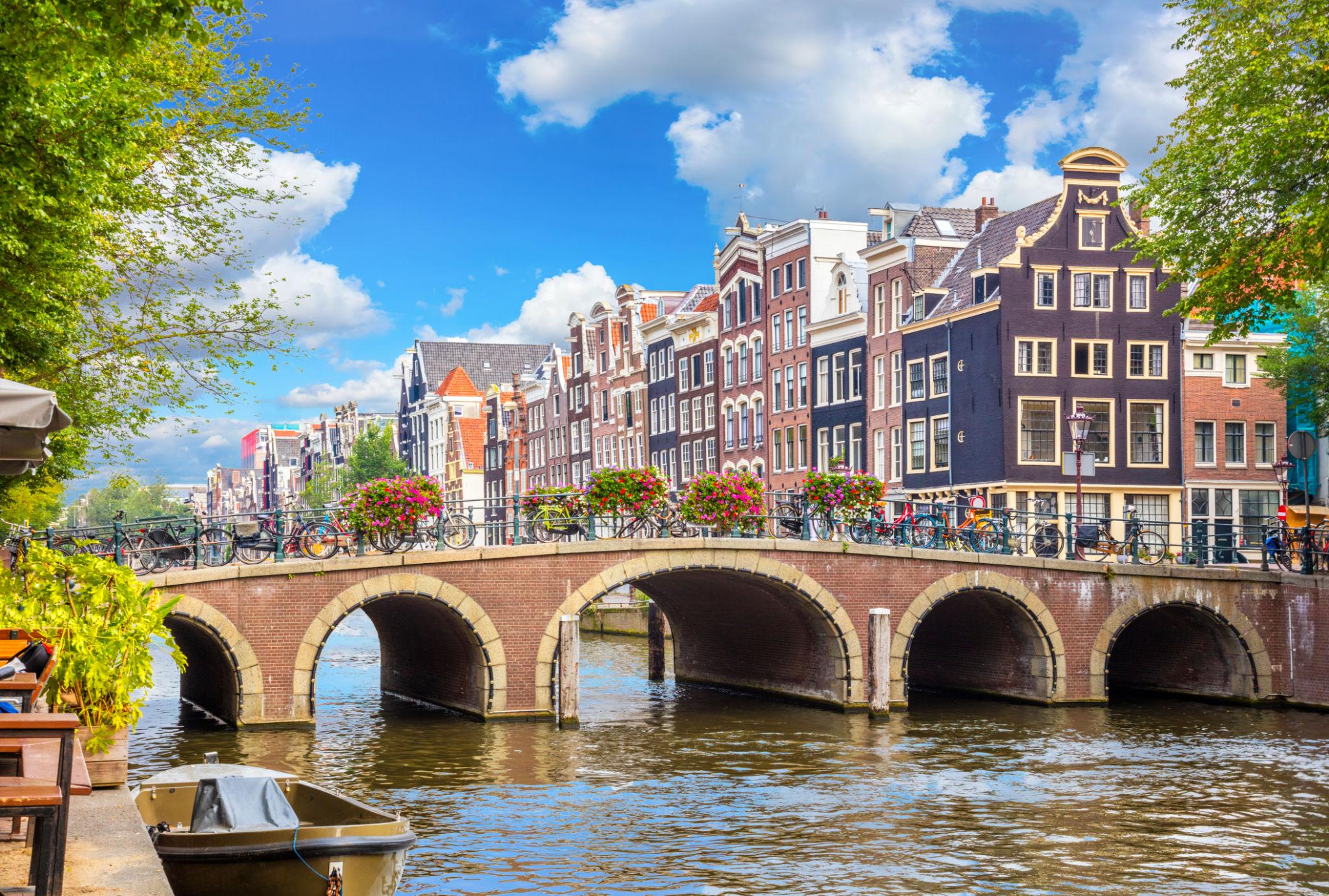
Amsterdam is the natural starting point for many trips to the Netherlands. The capital is famous for its historic canal network, narrow townhouses, cycling culture and remarkable collection of museums.
One of the best ways to explore the city is by taking a canal cruise. From the water, visitors can admire historic bridges and centuries-old buildings while learning about Amsterdam's trading history.
Art lovers should consider visiting the Rijksmuseum, which houses masterpieces by Dutch artists including Rembrandt and Vermeer. The Anne Frank House is another important historical destination, offering insight into the life of Anne Frank and the persecution of Jewish people during the Second World War.
Visitors interested in art, history, architecture and urban culture can easily spend several days exploring Amsterdam.
Official visitor information: https://www.iamsterdam.com/en/see-and-do/top-20-things-to-do-in-amsterdam
2. Keukenhof: A World of Tulips and Flowers
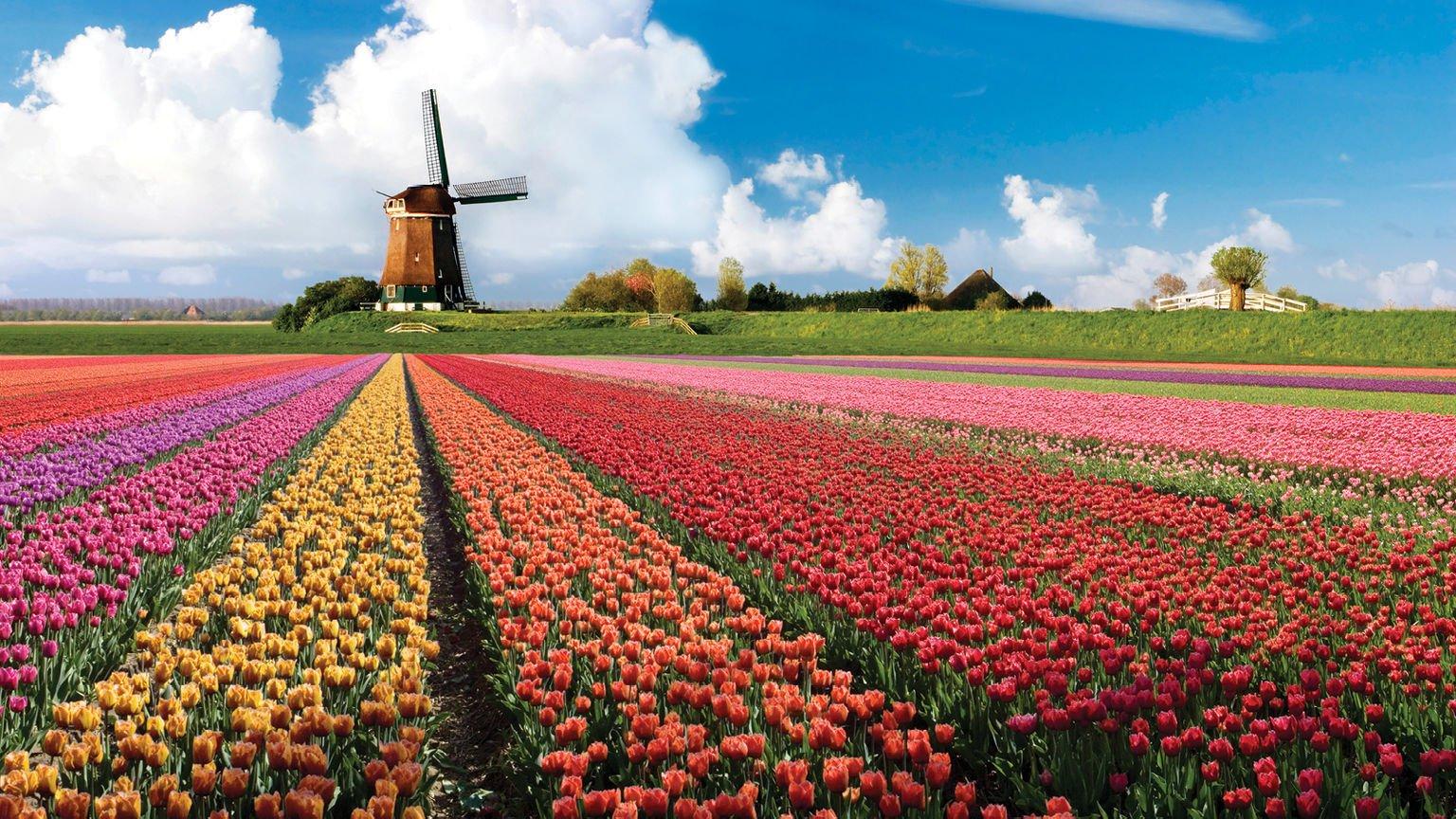
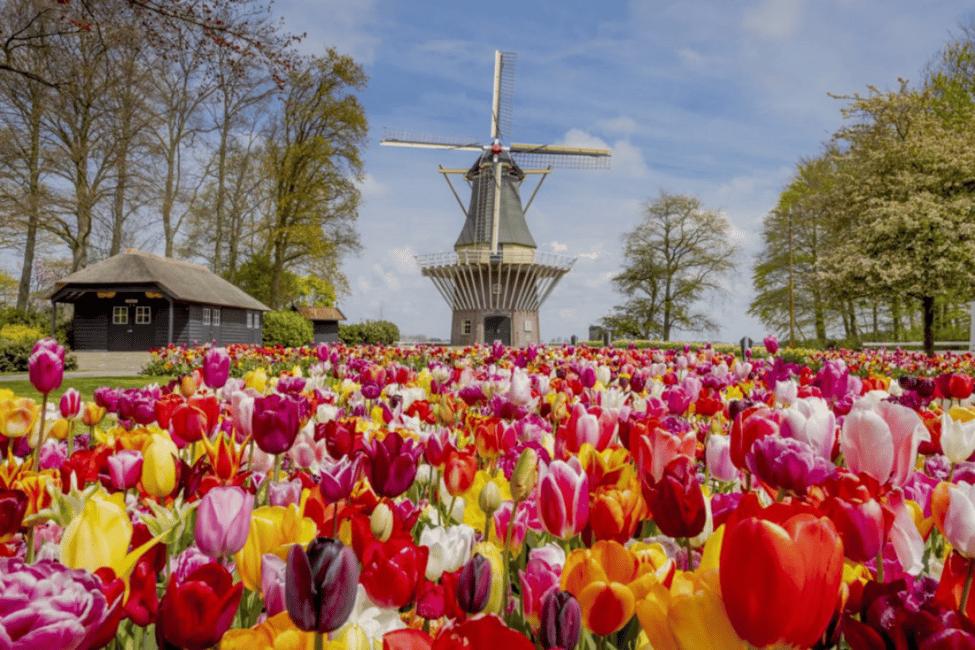
The Netherlands is closely associated with tulips, and Keukenhof is one of the country's most famous spring attractions.
Located in Lisse, the garden is known for its extensive displays of spring flowers, carefully designed landscapes and colorful walking paths. Visitors can enjoy different varieties of tulips and other flowering plants in a setting that has become one of the country's most recognizable tourist destinations.
Keukenhof is a seasonal attraction rather than a year-round flower park. Anyone planning a visit should check the official website for the opening dates of the relevant season.
The garden is particularly appealing to photographers, couples, families and travelers who want to experience the Dutch countryside during spring.
Official website: https://keukenhof.nl/en/
3. Zaanse Schans: Traditional Dutch Windmills
For visitors who want to experience the Netherlands beyond its major cities, Zaanse Schans offers a glimpse into traditional Dutch life.
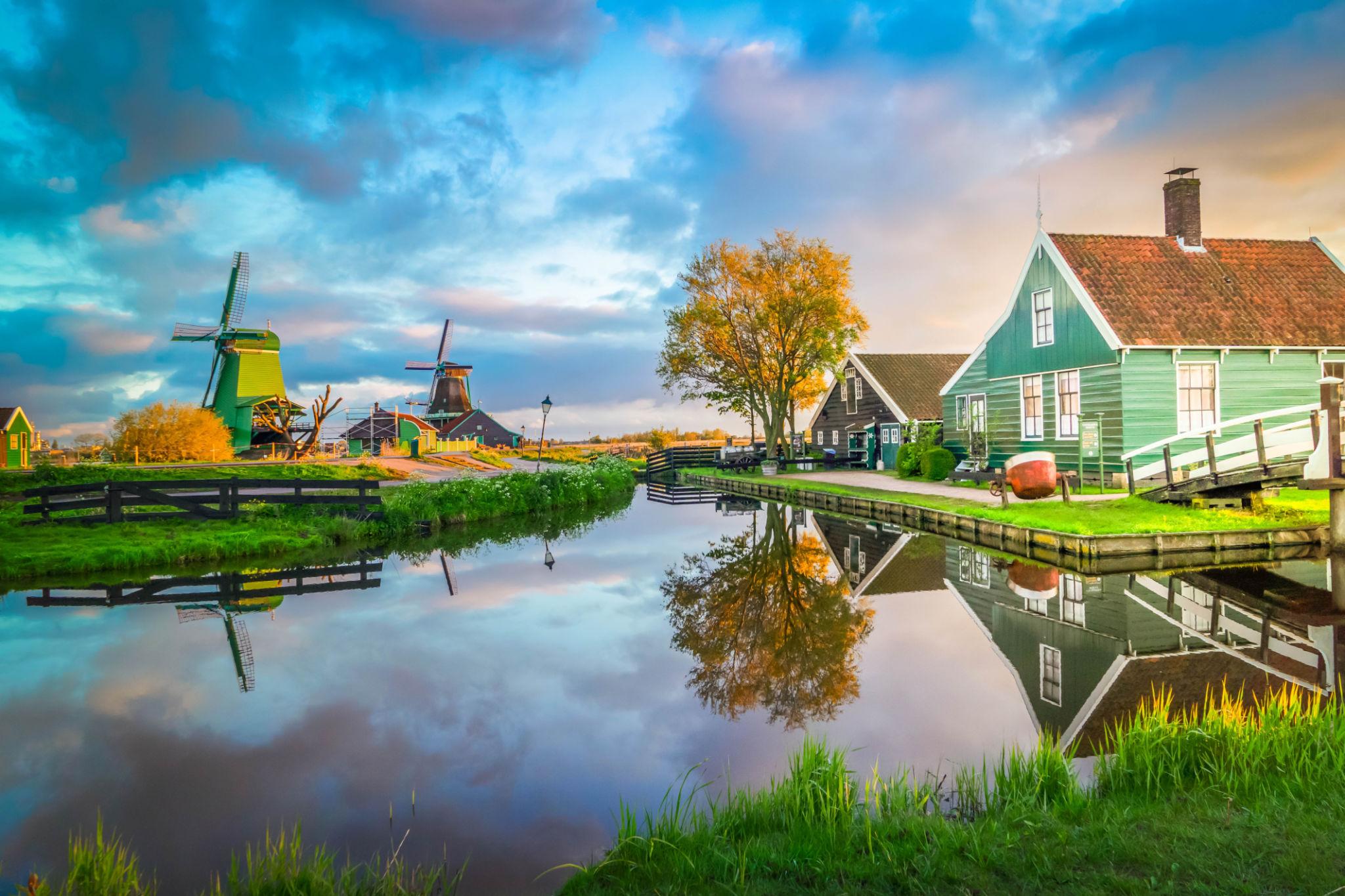
This historic area is known for its iconic windmills, wooden houses, waterways and traditional crafts. Visitors can explore the outdoor village, learn about the history of wind-powered industry and discover how windmills were used in different production processes.
The location is particularly popular with photographers because its traditional architecture and surrounding landscape create a classic Dutch scene.
Zaanse Schans is also a convenient day-trip option for people staying in Amsterdam. Travelers should check individual attraction schedules and ticket requirements before visiting.
4. Kinderdijk: Windmills and UNESCO World Heritage
Kinderdijk is one of the most distinctive places to visit in the Netherlands. Its historic windmills stand beside canals and waterways, illustrating the country's long history of managing water and protecting low-lying land.
The site is recognized as a UNESCO World Heritage property and offers more than picturesque scenery. Visitors can explore museum mills, learn about water-management techniques and take a boat trip through the historic landscape.
Kinderdijk also helps explain why water engineering has played such an important role in Dutch history. The windmills formed part of a wider system designed to manage water levels and protect agricultural land.
Walking or cycling around the area provides excellent opportunities to photograph the windmills and surrounding countryside.
Official website: https://kinderdijk.nl/en/
5. Rotterdam: Modern Architecture and Urban Life
Rotterdam offers a different experience from the historic streets of Amsterdam. Known for its modern architecture, major port and contemporary cultural scene, the city is an excellent destination for visitors interested in urban design.
The city was heavily damaged during the Second World War, and its subsequent reconstruction helped shape its distinctive architectural character. Today, Rotterdam features striking buildings, modern residential developments, cultural venues and a lively food scene.
The Markthal, the Cube Houses and the Erasmus Bridge are among the city's best-known architectural landmarks.
Rotterdam is also a useful base for exploring other destinations in the region, including Delft and Kinderdijk.
6. Giethoorn: A Village of Canals and Bridges
Giethoorn is a small village famous for its waterways, footbridges and traditional houses. Its peaceful appearance has made it a popular destination for travelers seeking a quieter alternative to the Netherlands' larger cities.
Visitors can explore the village on foot, cycle through the surrounding area or take a boat trip along its canals. Small bridges connect walking paths, while gardens and thatched-roof houses contribute to its distinctive character.
Giethoorn is especially attractive during the warmer months, although it can become crowded during peak travel periods.
For a more relaxed experience, consider visiting early in the day or choosing a less busy time of year.
7. Utrecht: Historic Canals and Charming Streets
Utrecht combines historic architecture with a lively atmosphere shaped by its university, cafés and cultural attractions.
The city's most recognizable landmark is the Dom Tower, which stands above the historic centre. Utrecht is also known for its unusual canal system, including wharf-level areas where restaurants and cafés sit close to the water.
Visitors can walk through the old town, explore museums and enjoy the city's restaurants without necessarily needing several days to see its main highlights.
Utrecht is an appealing choice for travelers who want to experience Dutch city life in a setting that can feel less overwhelming than Amsterdam.
8. The Hague: Culture, Government and the North Sea Coast
The Hague is an important political centre and home to the Dutch government and royal institutions. It is also a destination for art, history and seaside relaxation.
One of its major attractions is the Mauritshuis museum, which houses celebrated Dutch paintings, including Johannes Vermeer's Girl with a Pearl Earring.
Visitors can also explore historic streets and royal landmarks before heading to Scheveningen, a well-known seaside district with a beach, restaurants and a promenade.
The combination of cultural attractions and coastal scenery makes The Hague a versatile destination for different types of travelers.
9. Delft: Historic Streets and Blue-and-White Ceramics
Delft is a historic city associated with Dutch ceramics, traditional architecture and the painter Johannes Vermeer.
Its old town features canals, historic buildings, market squares and churches. Visitors can explore the city centre on foot, enjoy cafés beside the waterways and learn about Delft Blue pottery, a distinctive style of blue-and-white ceramics.
Delft is also a good destination for travelers interested in Dutch history and craftsmanship.
Because the city is relatively compact, many visitors can explore its principal sights during a day trip.
10. The Wadden Sea: Nature, Wildlife and Coastal Landscapes
Travelers interested in nature should consider the Wadden Sea, a remarkable coastal region along the northern Netherlands and parts of the wider North Sea coast.
The area is known for its tidal flats, islands, coastal habitats and wildlife. Depending on the location and season, visitors may encounter seabirds, seals and expansive coastal landscapes.
The Wadden Sea is recognized as a UNESCO World Heritage site for its natural significance. It offers a different perspective on the Netherlands, away from the busy streets, museums and traditional windmills.
Visitors should follow local guidance when exploring tidal areas, as changing tides and weather can affect access and safety.
What Is the Best Time to Visit the Netherlands?
The best time to visit depends on the experiences you want.
Spring (March to May): Spring is particularly attractive for visitors hoping to see tulips and other seasonal flowers. Keukenhof is a major draw during its annual opening period, although exact dates and flowering conditions vary.
Summer (June to August): Longer daylight hours make summer suitable for cycling, canal cruises, coastal trips and outdoor sightseeing. Popular destinations can be busy, so booking accommodation and high-demand attractions in advance is advisable.
Autumn (September to November): Autumn can be a good choice for city breaks, museums and canal walks. Weather conditions can be changeable, and visitors should bring clothing suitable for rain and wind.
Winter (December to February): Winter offers a different atmosphere, with quieter periods at some attractions and seasonal events in certain cities. Shorter daylight hours and colder weather may affect outdoor activities.
For a trip focused on tulips, spring is the obvious choice. For museums, architecture and historic cities, several seasons can work well.
How Many Days Do You Need to Explore the Netherlands?
The ideal length of a trip depends on how many destinations you want to visit.
A three-day trip could focus on Amsterdam and one nearby attraction, such as Zaanse Schans. A five-day visit might include Amsterdam, Utrecht, Rotterdam and Delft. With a week or more, travelers can add Giethoorn, The Hague, Kinderdijk or a northern coastal destination.
The Netherlands has a well-developed public transport network, making travel between many major cities relatively convenient. However, journey times, connections and ticket prices should be checked when planning each route.
It is generally better to explore a few destinations in depth than to rush through too many places in a short period.
Practical Tips for Visiting the Netherlands
Before traveling, keep a few useful points in mind:
Book popular museums in advance. Attractions such as the Rijksmuseum and Anne Frank House have their own ticketing requirements. Check official websites for availability and entry conditions.
Check seasonal opening dates. Keukenhof is open only during a specific spring season.
Prepare for changing weather. Rain and wind are possible throughout the year, so a waterproof jacket can be useful.
Consider cycling carefully. Cycling is part of everyday life in the Netherlands, but visitors should understand local traffic rules and use designated cycling routes.
Plan transport between destinations. Compare train, bus and other connections before setting out.
Respect local communities and nature. Popular villages and natural areas are also living environments, so follow local instructions and protect the surrounding landscape.
Final Thoughts
The Netherlands offers far more than tulips and windmills. Its attractions range from Amsterdam's famous canals and world-class museums to Rotterdam's modern architecture, Giethoorn's waterways and the natural landscapes of the Wadden Sea.
For first-time visitors, Amsterdam, Keukenhof, Zaanse Schans and Kinderdijk provide a strong introduction to the country's history, scenery and cultural identity. Travelers with more time can discover historic cities such as Utrecht, Delft and The Hague, or explore the quieter countryside and coast.
With careful planning, a visit to the Netherlands can combine culture, history, nature and memorable experiences in one trip.