10 Interesting Facts About Canada | Country Facts
10 Interesting Facts About Canada: Discover the World's Second-Largest Country
Canada is one of the most fascinating countries in the world, known for its vast forests, spectacular lakes, snow-covered mountains and rich natural beauty. Located in North America, Canada is the second-largest country in the world by total area. However, its size is only one of the many things that make it unique. Canada is also home to the world's longest coastline, millions of lakes and extraordinary wildlife.
What makes Canada so special? Here are 10 interesting facts about Canada that may surprise you.
1. Canada Is the World's Second-Largest Country
Canada covers approximately 9.98 million square kilometres, making it the second-largest country in the world after Russia.
The country is bordered by the Atlantic Ocean to the east, the Pacific Ocean to the west and the Arctic Ocean to the north. Its enormous territory includes a wide variety of landscapes, climates and natural environments.
2. Canada Has the World's Longest Coastline
Canada has the longest coastline of any country on Earth, measuring approximately 243,000 kilometres, depending on the measurement method used.
Its shores border three oceans: the Atlantic, Pacific and Arctic. The coastline features rugged cliffs, sandy beaches, spectacular fjords and thousands of islands.
3. Canada Has More Than Two Million Lakes
Canada is one of the world's richest countries in freshwater resources. Estimates suggest that it has more than two million lakes.
These lakes are important for drinking water, fishing, tourism and maintaining healthy ecosystems. The Great Lakes, shared by Canada and the United States, form one of the most significant freshwater systems in the world.
4. Canada Produces Most of the World's Maple Syrup
Maple syrup is one of Canada's most famous products. Canada produces more than 70% of the world's maple syrup, with Quebec accounting for the largest share.
Maple syrup is made by collecting sap from maple trees and concentrating it through heating. It is commonly served with pancakes, waffles and other breakfast foods.
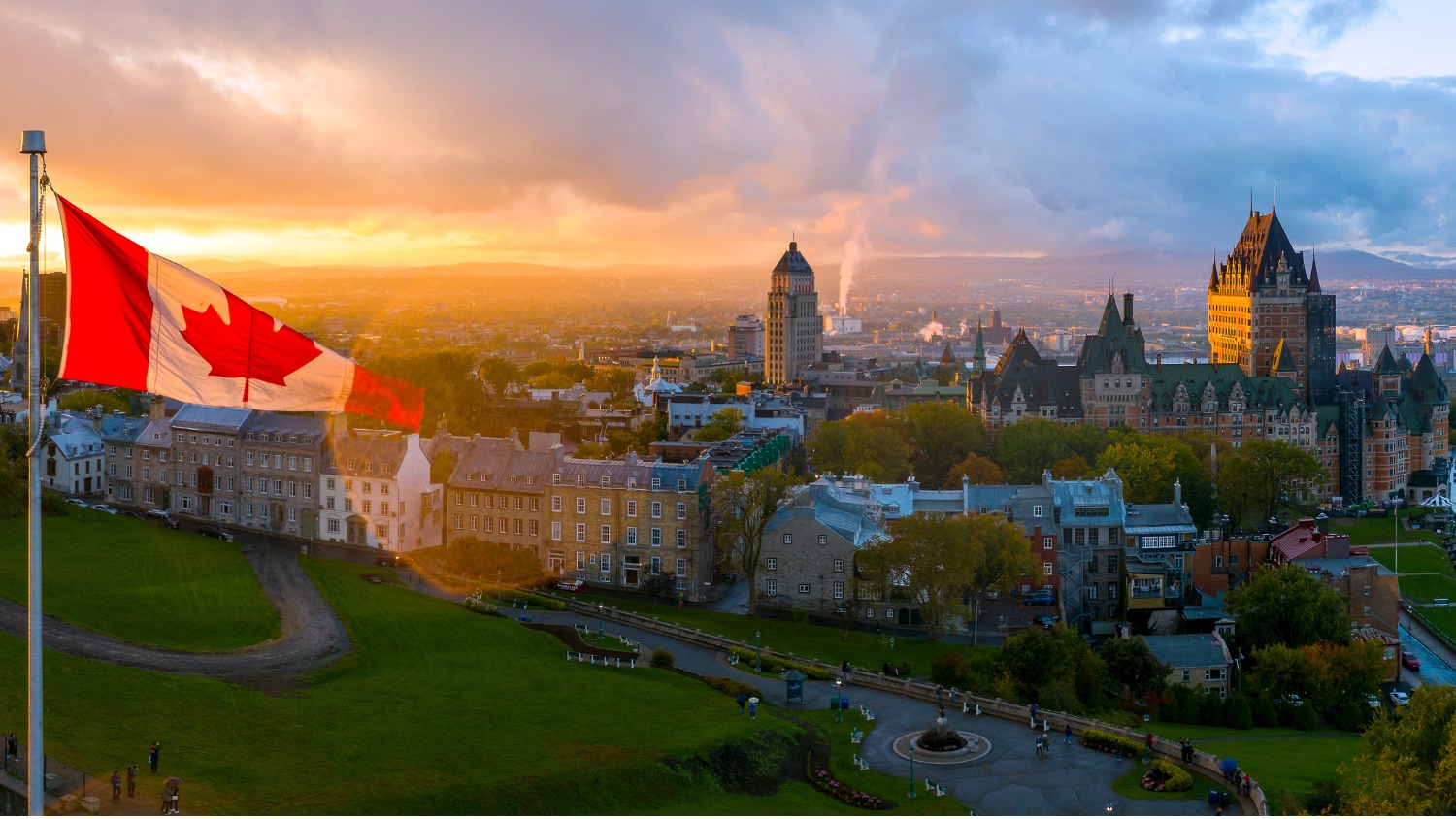
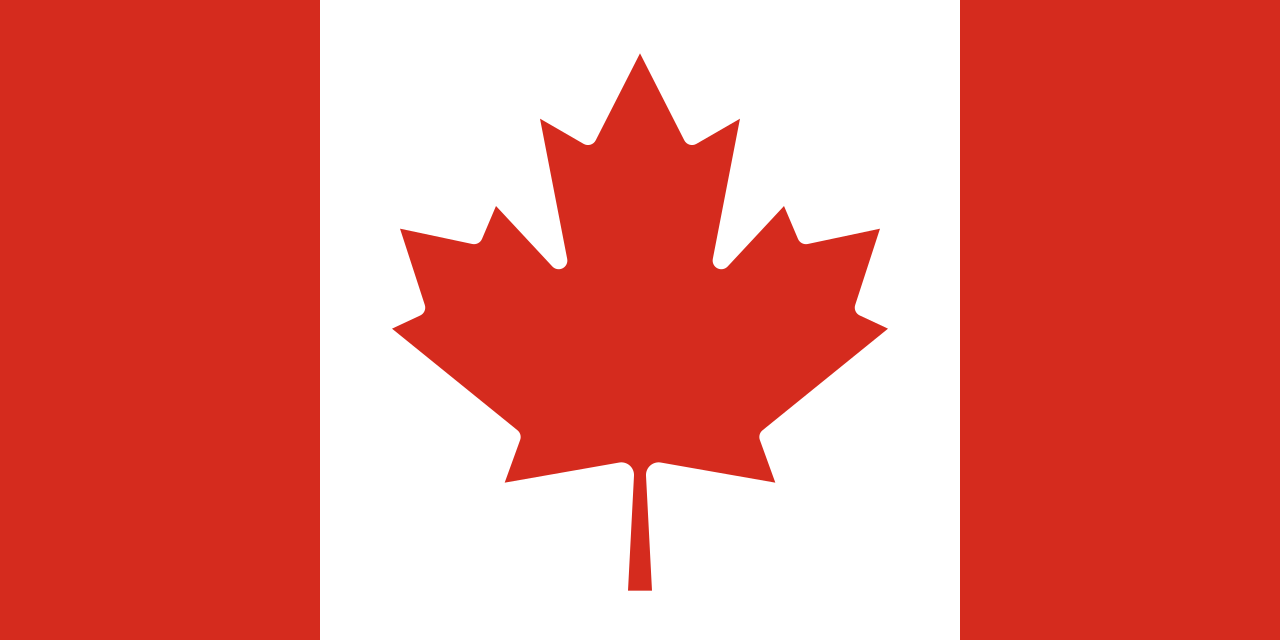
The maple leaf is also one of Canada's most recognizable national symbols and appears on the country's flag.
5. Canada Has Two Official Languages
Canada has two official languages at the federal level: English and French.
English is widely spoken throughout much of the country, while French is particularly prominent in the province of Quebec. Montreal is well known for its French-speaking culture and bilingual environment.
This linguistic diversity reflects Canada's history and contributes to its distinctive cultural identity.
6. You Can See the Northern Lights in Canada
Canada is one of the best places in the world to see the Northern Lights, also known as the aurora borealis.
These colourful displays occur when charged particles from the Sun interact with gases in Earth's atmosphere. The result can be spectacular waves of green, purple and pink light dancing across the night sky.
Yellowknife in the Northwest Territories and locations across Yukon are popular destinations for Northern Lights viewing, particularly on dark, clear nights.
7. Canada Is Home to Polar Bears
Canada's Arctic regions are home to a significant population of polar bears. These powerful predators are adapted to extremely cold conditions, with thick fur and a layer of body fat that helps them retain heat.
The town of Churchill in Manitoba is particularly famous for polar bear sightings. Bears gather near the area while waiting for sea ice to form, which they need to hunt seals.
Climate change and declining sea ice pose major challenges to polar bears and their natural habitat.
8. Canada Spans Six Main Time Zones
Canada is so vast that it spans six main time zones.
As a result, local time can differ considerably between the country's eastern and western regions. When it is morning on the Atlantic coast, it may still be much earlier on the Pacific coast.
These time differences play an important role in travel, business, communications and everyday life across the country.
9. Canada Has Spectacular National Parks
Canada protects some of the world's most impressive natural landscapes through its extensive network of national parks.
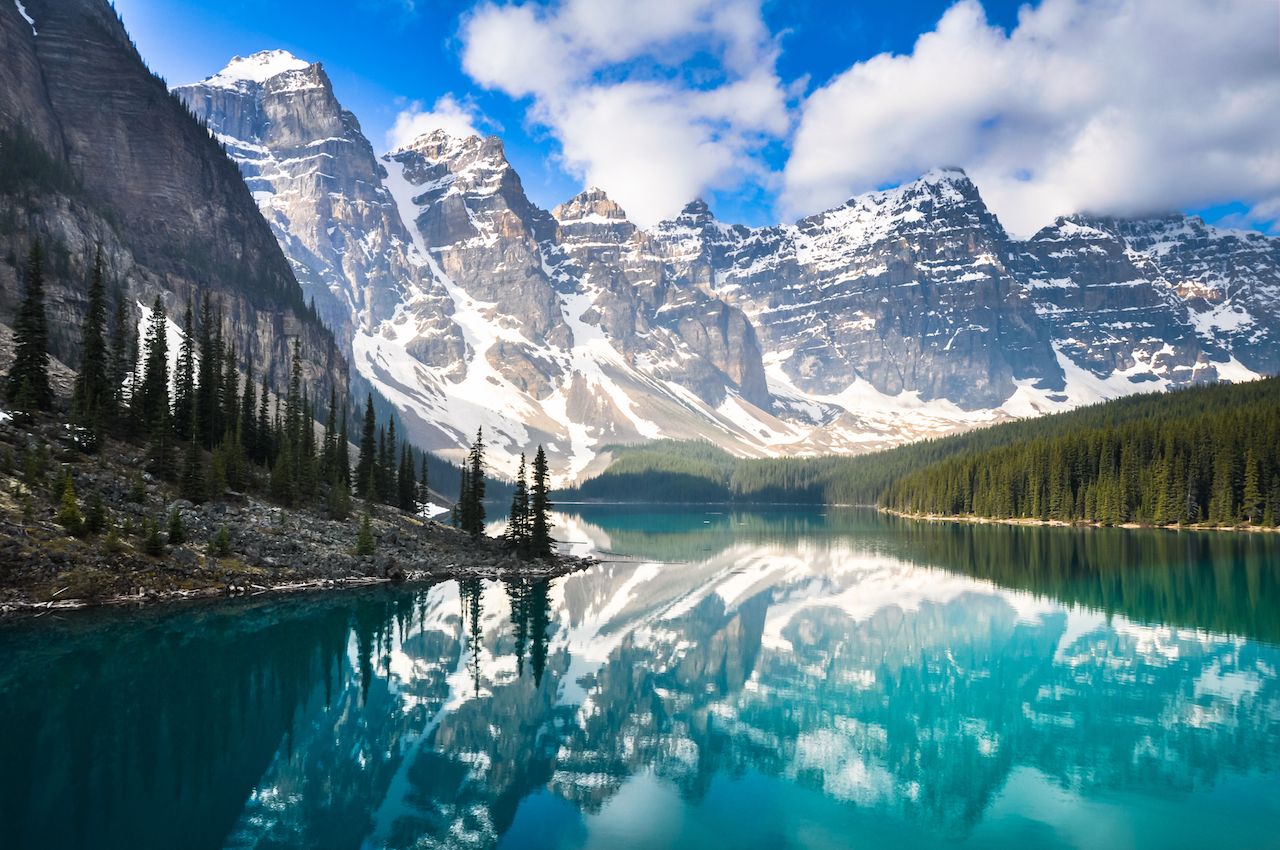
Banff National Park in Alberta is famous for its turquoise lakes, towering mountains and glaciers. Jasper National Park is known for its vast wilderness, while Gros Morne National Park in Newfoundland and Labrador features dramatic coastal scenery and remarkable geological formations.
These protected areas help conserve wildlife and natural ecosystems while attracting visitors from around the world.
10. Ice Hockey Is a Major Part of Canadian Culture
Ice hockey is deeply connected to Canada's sporting identity. The country has produced many legendary hockey players and has a long tradition of competitive teams and passionate fans.
Hockey is played in schools, community leagues and professional arenas across the country. For many Canadians, it is more than just a sport: it is an important part of winter life and national culture.
Conclusion
Canada is a country of extraordinary natural beauty, vast landscapes, diverse cultures and fascinating traditions. From the world's longest coastline and millions of lakes to the Northern Lights, polar bears and maple syrup, there is always something new to discover about this remarkable country.
Which of these 10 interesting facts about Canada surprised you the most? Share your thoughts in the comments and explore more fascinating country facts in our Countries & Facts section.