Trump Appoints CIA Director John Ratcliffe as AI Chief
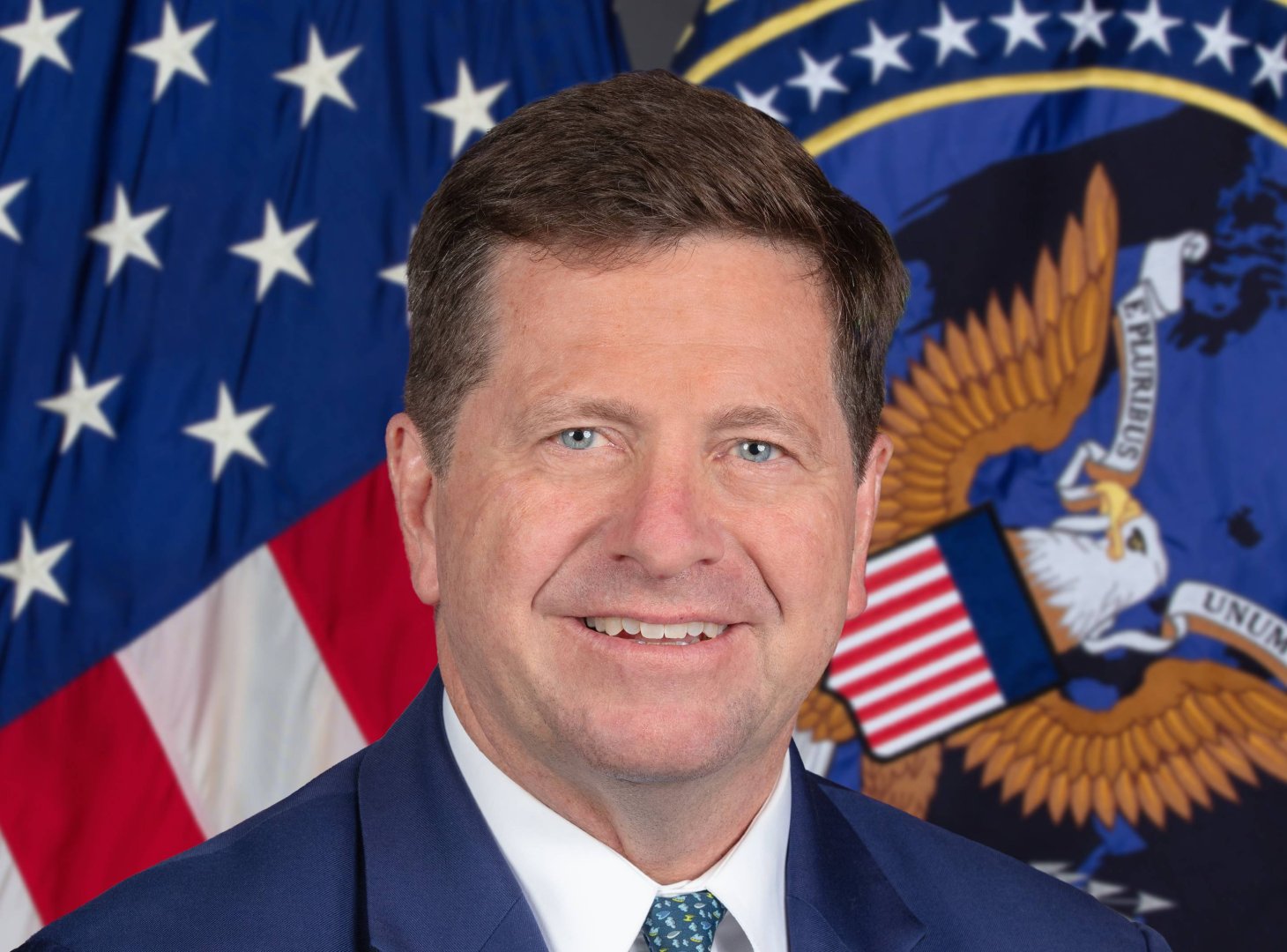
Trump Appoints Intelligence Chief Jay Clayton to Lead AI Task Force
U.S. President Donald Trump on Sunday appointed Director of National Intelligence Jay Clayton to lead a task force on artificial intelligence (AI) and serve as the administration's official responsible for the sector. The group's main focus will be on coordination rather than regulation.
Trump wrote on his Truth Social platform that the “Super Intelligence Force,” led by Jay Clayton, will be responsible for “coordinating the efforts of the Federal Government to ensure that America continues to lead the World in Super Intelligence.”
The president has recently chosen to replace the term “artificial intelligence” with “super intelligence” in government communications and directed federal agencies to use the new terminology.
According to Trump, the group led by Clayton will coordinate the government's engagement with consumers, major companies, religious organizations, critical infrastructure operators and companies working in the field of super intelligence.
Clayton had already disclosed the creation of the task force and his appointment as its leader in an interview with The Wall Street Journal on Saturday. The new responsibility is in addition to his current duties as director of national intelligence.
According to the task force's mandate obtained by The Wall Street Journal, the group is expected to develop recommendations aimed at “responding to threats to our society” posed by artificial intelligence.
The document states that this objective should be pursued while preventing excessive regulation and regulatory capture that could harm innovation and competition.
Regulatory capture refers to a situation in which certain market participants are able to influence or shape regulatory mechanisms in ways that serve their own interests and help them preserve competitive advantages.
U.S. officials told The Wall Street Journal that the task force will leave much of the responsibility for managing AI-related risks to the industry itself, while also working closely with companies in the sector.
Following a meeting at the White House on Tuesday, executives from major artificial intelligence companies made a number of commitments in this area. These include involving independent evaluators in the process and introducing additional internal oversight mechanisms.
The initiatives followed reports from companies including OpenAI, Anthropic, Google and Meta about incidents involving experimental AI models that autonomously accessed the internet and interacted with dozens of websites and platforms.
Several current and former employees of these companies have warned that controlling artificial intelligence could become increasingly difficult as its capabilities continue to grow.
Trump has criticized such warnings as excessively alarmist and opposed calls from Anthropic CEO Dario Amodei, OpenAI CEO Sam Altman and Google CEO Demis Hassabis to slow the pace of AI development.
On the issue of AI models potentially escaping the control of their developers and engaging in dangerous behavior, Trump has said he favors corporate liability over regulation. Under this approach, companies could potentially face legal responsibility for defective or harmful AI systems, similar to manufacturers of consumer products.
Jay Clayton's appointment indicates that the White House recognizes that artificial intelligence is playing an increasingly central role in the legacy the administration seeks to leave, according to Aalok Mehta of the Center for Strategic and International Studies (CSIS).
According to Mehta, the former corporate lawyer will have to navigate a “very narrow corridor” between avoiding restrictions that could limit AI companies and providing sufficient assurances to the American public concerned about the consequences of the technology.
In addition, Trump's decision to select the director of national intelligence for the mission shows that he views artificial intelligence through the lens of national security, particularly as a tool in competition with China, according to Conor Martin of the Council on Foreign Relations (CFR).
According to Martin, this indicates that the U.S. government does not currently appear to be seeking to introduce major laws or executive measures imposing strict regulation on artificial intelligence.