Early Signs of Diabetes: Early Symptoms and Warning Signs You Should Know
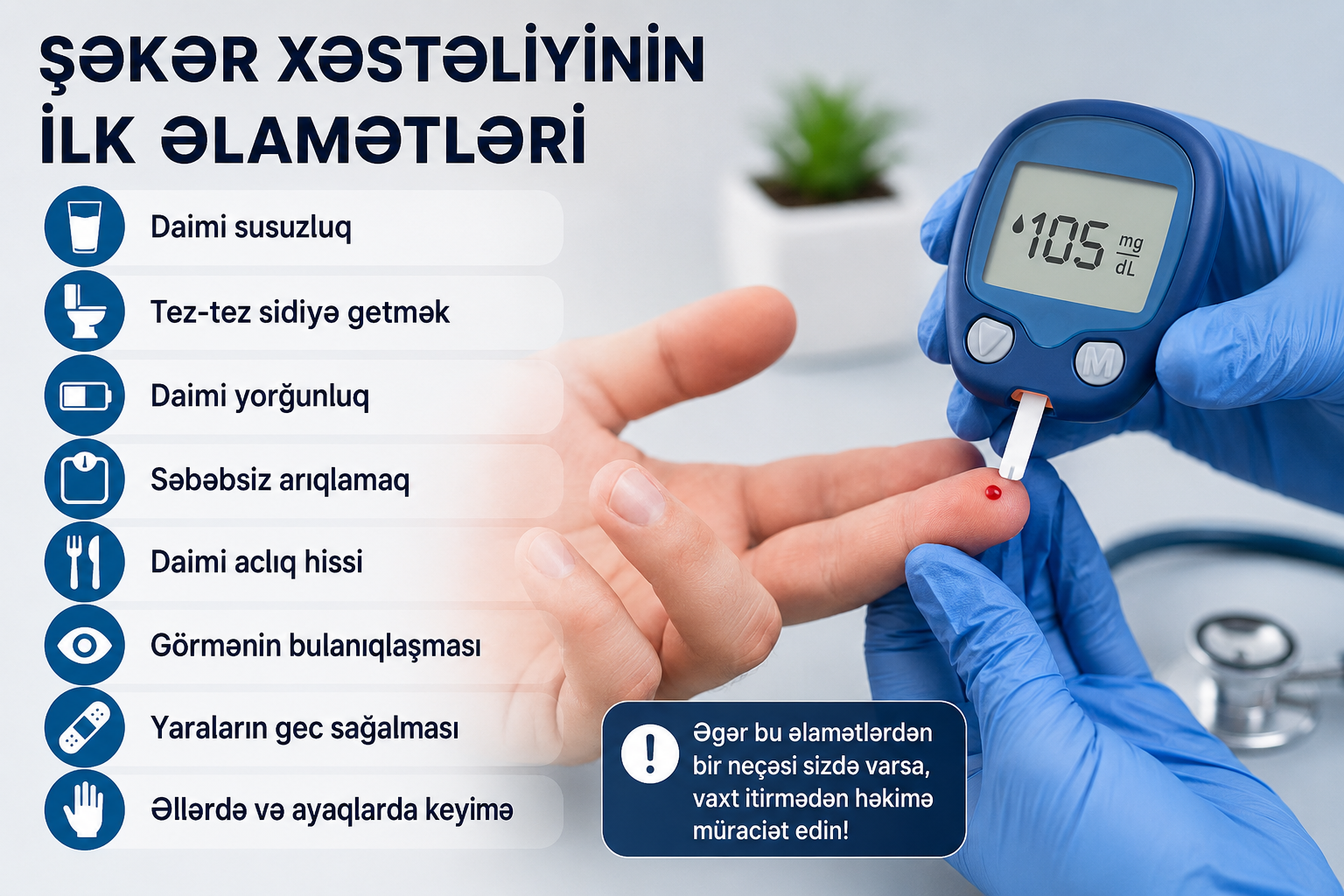
Early Signs of Diabetes: Important Warning Signs Everyone Should Know – A Faktxeber.az Investigation
The early signs of diabetes should never be ignored, as delayed diagnosis can lead to serious complications affecting the heart, kidneys, eyes, and nervous system. According to the World Health Organization (WHO), approximately 830 million people worldwide were living with diabetes in 2022. Health experts warn that many people overlook the disease in its early stages, and a diagnosis is often made only after complications have already developed.
Faktxeber.az reviewed information from the World Health Organization (WHO), the U.S. Centers for Disease Control and Prevention (CDC), and other reputable health organizations to analyze the early symptoms of diabetes, identify high-risk groups, and explain why early diagnosis is essential.
What Is Diabetes?
Diabetes is a chronic metabolic disease characterized by elevated levels of glucose (blood sugar). It occurs when the pancreas does not produce enough insulin or when the body cannot effectively use the insulin it produces.
If left untreated or poorly managed, diabetes can gradually cause irreversible damage to the cardiovascular system, kidneys, eyes, and nerves.
Early Signs of Diabetes
1. Persistent Thirst
One of the earliest warning signs of diabetes is excessive or persistent thirst.
High blood sugar forces the kidneys to work harder to remove excess glucose from the body. As more fluid is lost through urination, dehydration develops, making a person feel constantly thirsty.
2. Frequent Urination
Needing to urinate repeatedly—especially during the night—may be an early warning sign of diabetes.
Elevated blood sugar places extra strain on the kidneys, increasing urine production. This symptom is particularly common in people with Type 2 diabetes.
3. Constant Fatigue
People with diabetes often feel tired or exhausted even after getting enough sleep.
This happens because glucose cannot efficiently enter the body's cells, leaving them without the energy they need to function properly.
4. Unexplained Weight Loss
Losing weight without dieting or exercising may be one of the first noticeable signs of diabetes.
This symptom is more common in Type 1 diabetes, where the body begins breaking down fat and muscle tissue for energy because it cannot properly use glucose.
5. Constant Hunger
Despite having high blood sugar levels, the body's cells may still be unable to access the energy they need.
As a result, people with diabetes often feel hungry shortly after eating, making persistent hunger another common early symptom of the disease.
6. Blurred Vision
High blood sugar levels can cause temporary changes in the eye's lens.
As a result, a person may have difficulty seeing objects clearly, whether they are near or far. If treatment is delayed, diabetes can damage the retina and may eventually lead to vision loss.
7. Slow-Healing Wounds
Cuts, scratches, or wounds that take an unusually long time to heal can also be an important warning sign.
Elevated blood sugar weakens blood circulation and impairs the immune system, slowing the body's natural healing process.
8. Numbness or Tingling in the Hands and Feet
Tingling, numbness, or a burning sensation in the fingers or toes may indicate that diabetes has started to affect the nerves.
This symptom is particularly common in people with Type 2 diabetes that has gone undiagnosed or untreated for an extended period.
Who Is at Risk?
Doctors recommend that the following groups have their blood sugar checked regularly:
people who are overweight or obese;
individuals with a family history of diabetes;
adults aged 45 and older;
people with a physically inactive lifestyle;
individuals with high blood pressure;
people with high cholesterol levels;
women who have had gestational diabetes during pregnancy.
When Should You See a Doctor?
If you experience several of the symptoms listed above at the same time, you should not delay seeking medical advice.
Diabetes is commonly detected through the following tests:
Fasting blood glucose test;
HbA1c test (which measures the average blood sugar level over the previous two to three months);
Oral Glucose Tolerance Test (OGTT), when necessary.
The World Health Organization (WHO) emphasizes that early diagnosis and timely treatment are among the most effective ways to prevent serious diabetes-related complications.
The Diabetes Situation in Azerbaijan
Diabetes is not only a global health challenge but also a major public health concern in Azerbaijan. According to the International Diabetes Federation (IDF), hundreds of thousands of people in the country are living with diabetes, and a significant number of them remain undiagnosed. This highlights the importance of early detection and regular medical checkups.
The World Health Organization (WHO) country profile indicates that the prevalence of diabetes among adults in Azerbaijan exceeds 10%. The growing rates of overweight and obesity are also considered major factors that could further increase the risk of diabetes in the coming years.
What Is the Situation in Other Countries?
Diabetes has become one of the fastest-growing chronic diseases worldwide. According to the International Diabetes Federation's 2025 report, approximately 590 million adults are living with diabetes globally. More than 4 out of every 10 people with the disease are unaware that they have it. Experts project that this number will exceed 850 million by 2050.
United States
Diabetes is one of the most common chronic diseases in the United States. Early screening programs, regular health checkups, and nationwide public awareness campaigns play a key role in preventing diabetes-related complications.
Germany
Germany's primary healthcare system places strong emphasis on preventive care and routine medical examinations, allowing diabetes to be detected at an early stage. People at higher risk are encouraged to undergo regular blood glucose testing.
Türkiye
Türkiye has also experienced a steady increase in diabetes cases in recent years, largely driven by rising obesity rates and sedentary lifestyles. Health authorities continue to promote healthy eating habits and physical activity through national public health programs.
Can Diabetes Be Prevented?
Health experts say that a large proportion of Type 2 diabetes cases can be prevented through healthy lifestyle choices.
Key recommendations include:
maintaining a healthy body weight;
engaging in at least 150 minutes of physical activity per week;
reducing the consumption of sugary drinks and high-calorie foods;
eating more vegetables, fruits, and whole grains;
avoiding smoking;
limiting alcohol consumption;
keeping blood pressure and cholesterol under control;
having regular blood sugar screenings if you belong to a high-risk group.
Faktxeber.az's Findings
According to Faktxeber.az's investigation, recognizing the early signs of diabetes can play a crucial role in preventing serious health complications. Persistent thirst, frequent urination, unexplained fatigue, blurred vision, slow-healing wounds, and numbness in the hands or feet should never be ignored.
The research also shows that developed countries focus on early diagnosis, healthy lifestyles, and regular medical checkups as the foundation of diabetes prevention and management. In Azerbaijan, people who belong to high-risk groups are encouraged to undergo routine screenings, monitor their blood sugar levels, and follow medical advice to reduce the risk of long-term complications.
It is important to remember that diabetes is one of the chronic diseases that can be effectively managed when detected at an early stage. For this reason, anyone experiencing possible warning signs should seek professional medical evaluation rather than attempting self-diagnosis or self-treatment.
Official Sources
World Health Organization (WHO)
U.S. Centers for Disease Control and Prevention (CDC)
International Diabetes Federation (IDF)
Ministry of Health of the Republic of Azerbaijan
State Agency on Mandatory Health Insurance of the Republic of Azerbaijan