Two Historic Monuments in Kirkuk and Nakhchivan: Like Two Halves of the Same Apple
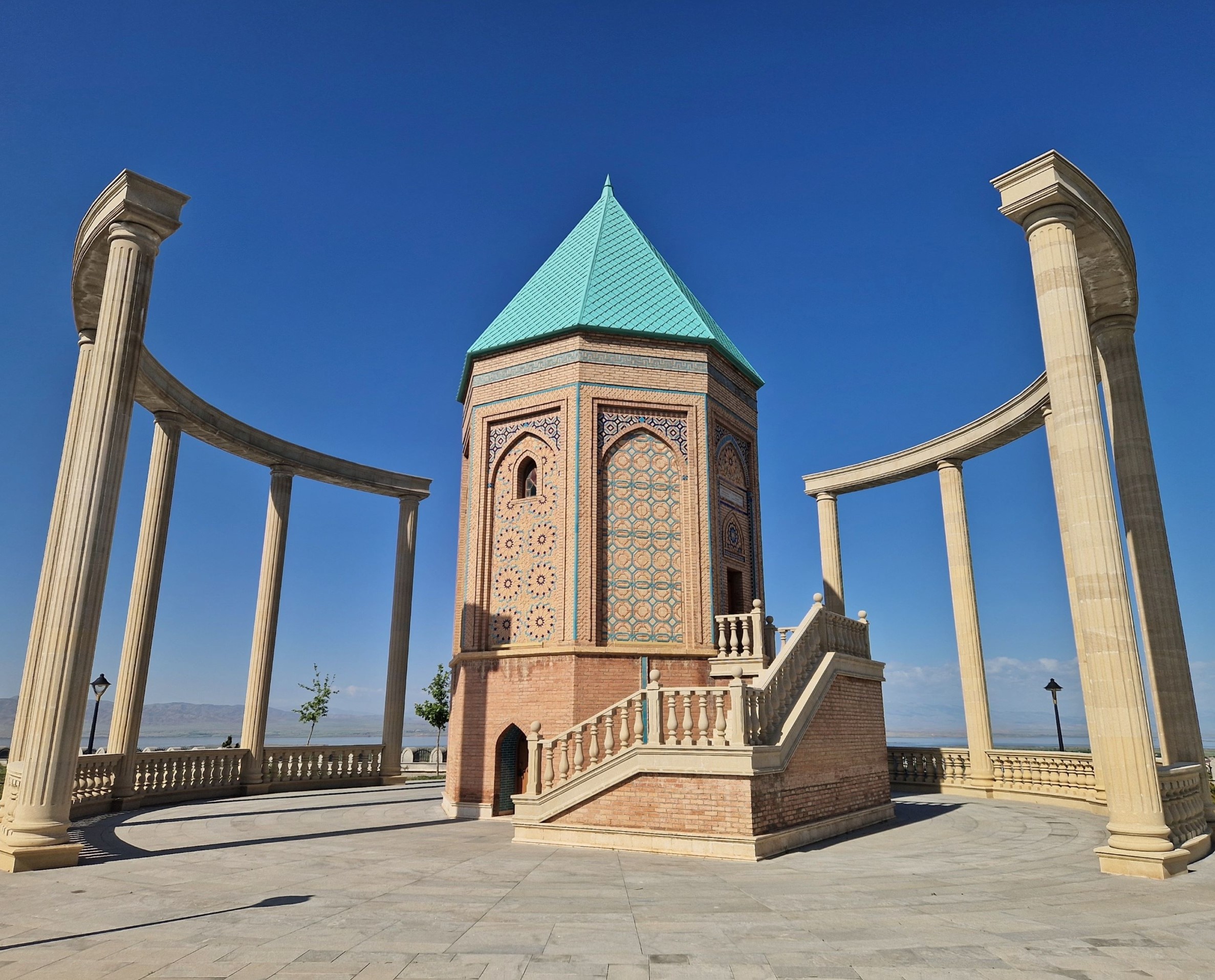
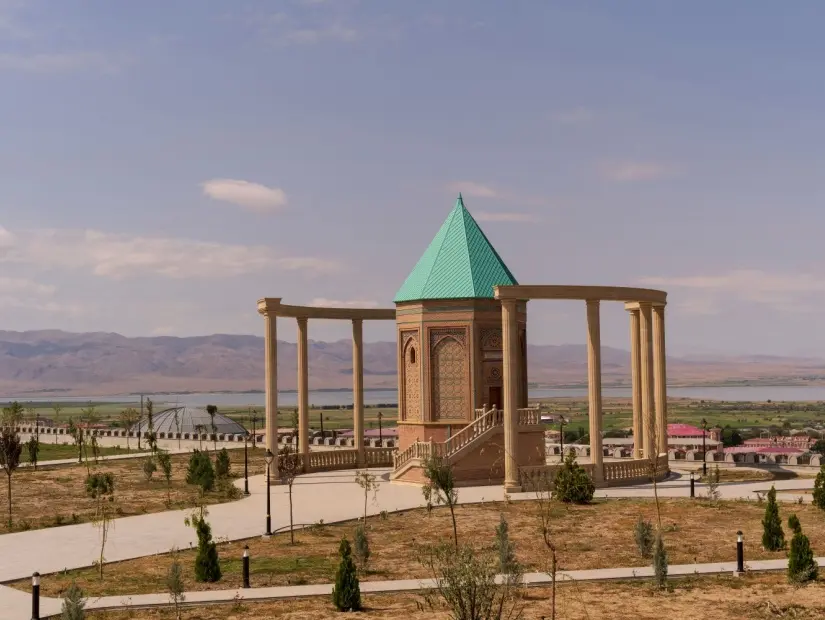
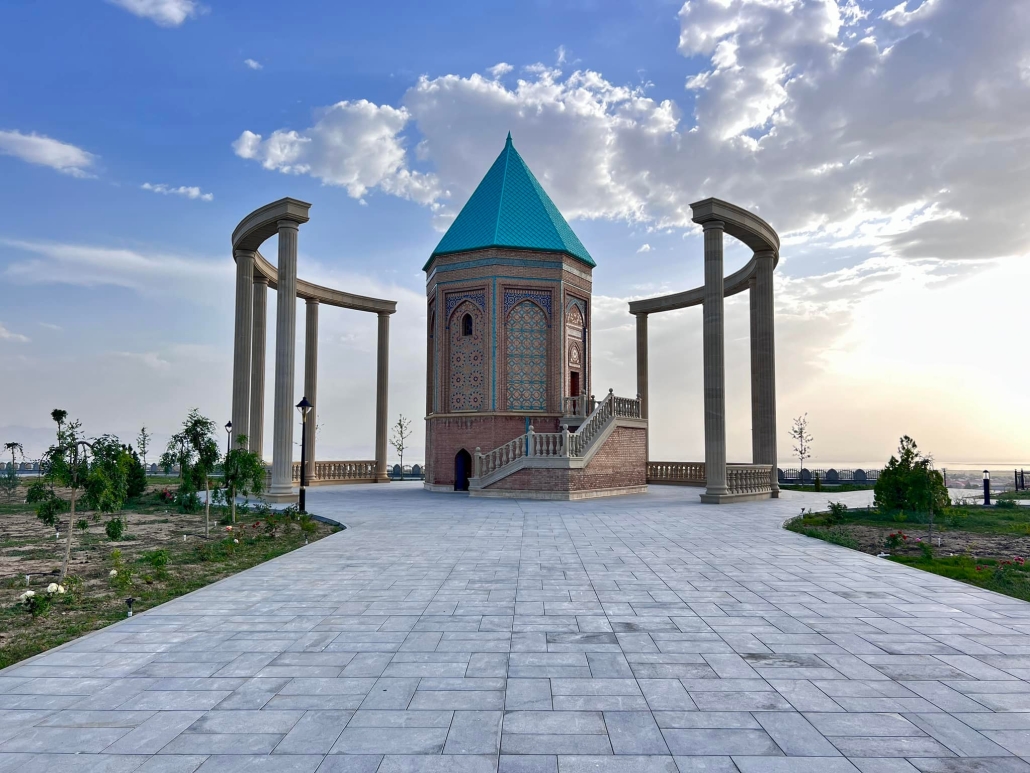
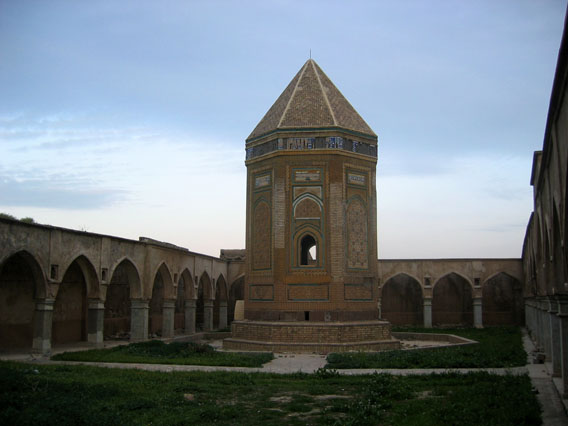
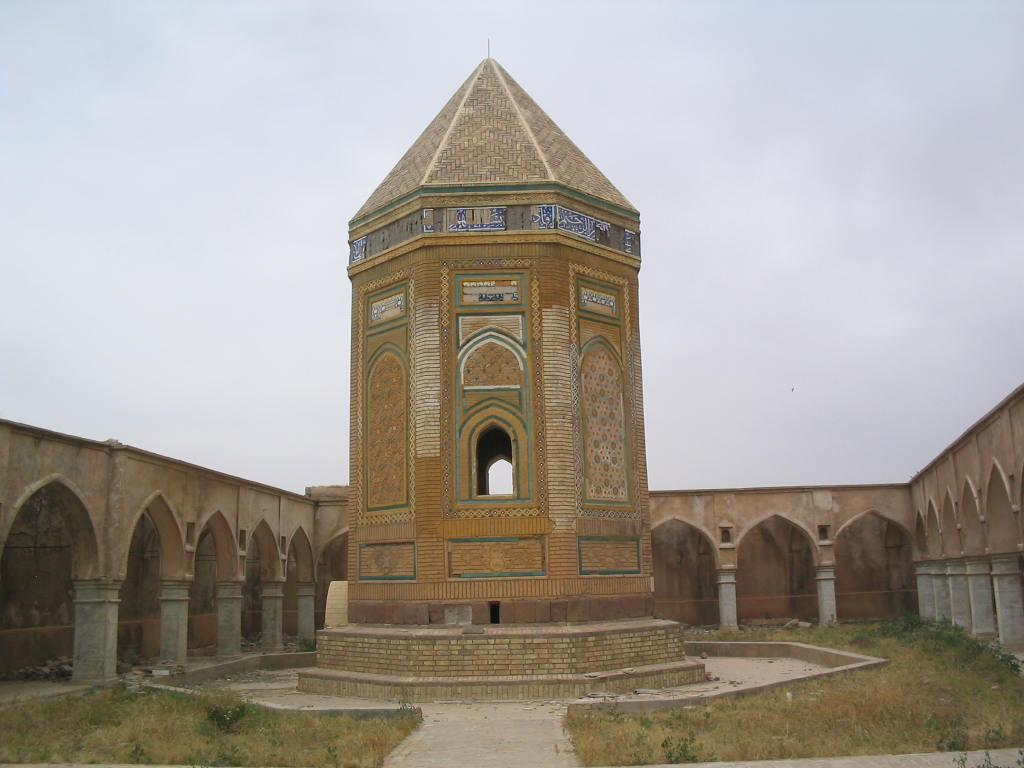
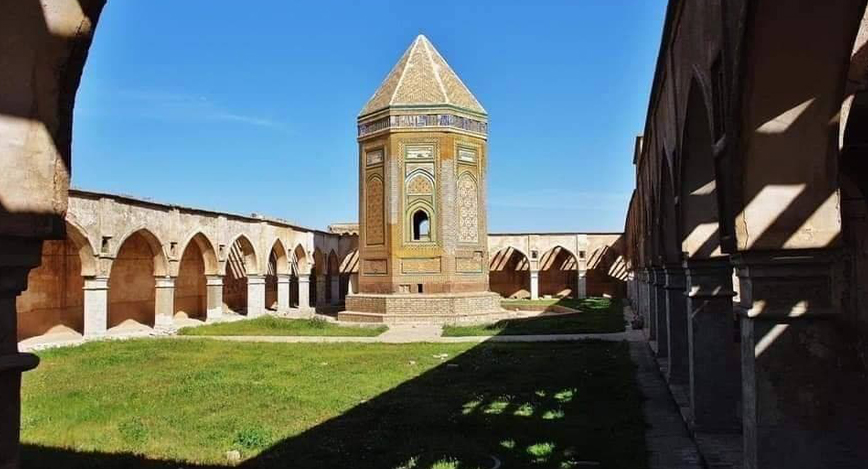
Throughout history, there have been architectural monuments known as "twins" because of their striking resemblance to one another. Among these are the Gök Kümbet (Blue Dome) in the Kirkuk Citadel and the Tomb of Prophet Noah in the Nakhchivan Autonomous Republic. These two historic monuments share remarkably similar architectural designs, proportions, and façade details, making them appear almost as mirror images of each other.
A Masterpiece of Turkish Heritage: Gök Kümbet
Built in 1361 during the Jalayirid period, Gök Kümbet covers an area of 820 square meters and stands 17 meters high. The two-story, octagonal structure has remained standing within the Kirkuk Citadel for nearly 700 years, representing one of the finest masterpieces of Turkish architectural heritage. According to the inscription on the monument, the tomb was commissioned in the 14th century for Bugday Hatun, a member of the Seljuk dynasty.
Unfortunately, the original octagonal roof of Gök Kümbet was demolished and replaced with an irregular structure unlike anything found in Seljuk Turkish architecture. During the restoration work, many of the original bricks forming the monument's body, as well as the traditional Turkish ceramic decorations adorning its walls, were damaged or destroyed.
The extent of this destruction is clearly visible. Gök Kümbet had stood in its original form for seven centuries. What happened that suddenly justified altering the structure of this remarkable monument of Turkish history? Why was it subjected to such destruction, and what was the purpose behind these changes?
What does restoration mean? It means repairing, restoring, and returning a damaged monument or building to its original condition without altering its architectural form. However, what was carried out on Gök Kümbet was not restoration—it was destruction. In full public view, the structure of a 700-year-old Turkish historical monument in Kirkuk has been altered, yet unfortunately, no meaningful reaction has been voiced.
According to both Turkish and international sources, Gök Kümbet originally featured an octagonal roof. The newly constructed, irregular roof does not correspond to any known architectural style of either the Seljuks or the Jalayirids.
Standing at the heart of the Kirkuk Citadel, Gök Kümbet has borne witness for centuries to the Turkish identity of the city. This historic monument, reflecting the distinctive characteristics of Turkish architecture, preserves not only Kirkuk's past engraved in stone but also its living cultural memory. The Kirkuk Citadel, the symbol of the city, together with the numerous Turkish historical monuments found throughout Kirkuk, reflects a city rich in history and civilization.
The Tomb of Prophet Noah in Nakhchivan
Located in the Nakhchivan Autonomous Republic, the Tomb of Prophet Noah, also known as Noah's Mausoleum, is a historic monument featuring an octagonal body and a pyramidal, tent-shaped roof. Visitors descend by stairs into the burial chamber located beneath the monument. The tomb stands within the site known as Köhne Gala (Old Fortress), the oldest fortress in Nakhchivan.
The Gök Kümbet in the Kirkuk Citadel and the Tomb of Prophet Noah in Nakhchivan are, in terms of their architectural details, almost mirror images of one another.
Dr. Kürşat Çavuşoğlu
Head of Foreign Relations
Iraqi Turkmen Journalists Association