Why Cancer May Never Be Completely Defeated – A Nobel Laureate Explains
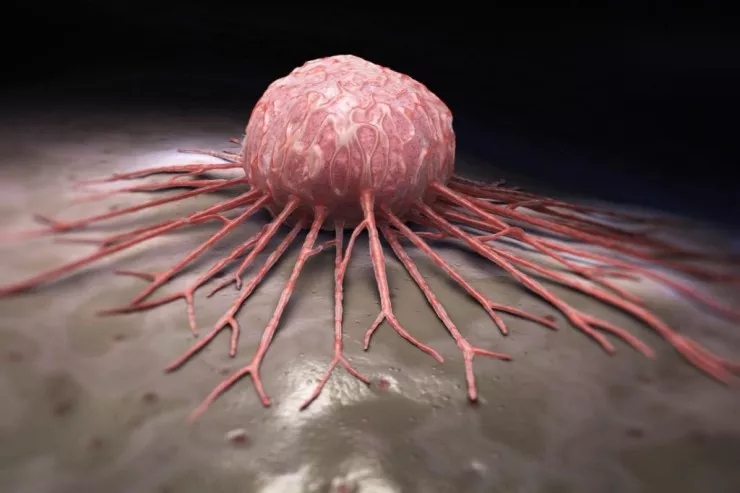
Nobel Prize Laureate Explains Which Natural Processes in the Human Body Can Contribute to Cancer Development
Cancer may never be completely eliminated because natural processes constantly occurring in human cells can lead to the development of the disease. This view was expressed by Nobel Prize-winning chemist Thomas Lindahl, whose research focused on the mechanisms of DNA damage and repair.
According to Lindahl, most mutations that can cause cancer do not arise solely from external factors such as radiation, ultraviolet light, or carcinogens. Many also result from normal biological processes. In particular, reactive oxygen species and water molecules can naturally damage the structure of DNA.
Lindahl explained that the human body continuously repairs such damage through specialized DNA repair systems. Enzymes identify defective sections of genetic material, remove them, and restore the damaged DNA by using the undamaged strand as a template.
However, because oxygen and water are essential components of life and are involved in the body's normal functions, it is impossible to completely prevent the formation of new mutations.
For this reason, Lindahl believes that modern medicine should focus not on the complete eradication of cancer, but on developing safer and more effective treatments for different types of tumors.
He also emphasized that external risk factors remain highly important. In particular, Lindahl urged people to quit smoking, noting that chemicals in tobacco smoke cause additional damage to cells and significantly increase the likelihood of mutations that can lead to cancer.