Heat Can Lead to Cardiac Arrest: Warning Signs Your Body Shows Before It's Too Late
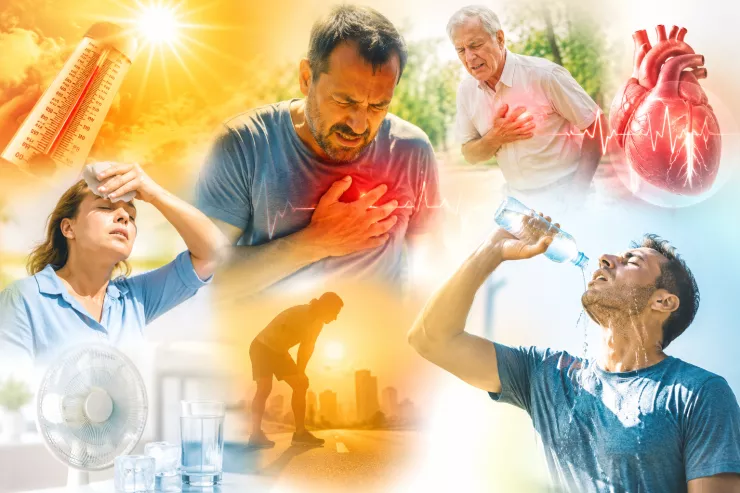
Extreme Heat Can Trigger Heart Attacks and Heat Stroke: Warning Signs You Should Never Ignore
High temperatures during the summer do more than cause fatigue and excessive sweating. Extreme heat weakens the body's ability to regulate its temperature, placing additional strain on the heart, kidneys, and circulatory system. On humid days, sweat cannot evaporate efficiently, making it even harder for the body to cool itself.
The first warning signs may include intense thirst, headaches, weakness, and a rapid heartbeat. If these symptoms are ignored, heat exhaustion can progress to heat stroke, which may lead to loss of consciousness, severe heart rhythm disturbances, and even cardiac arrest.
Here is an overview of the findings prepared by Lent.az.
According to the World Health Organization (WHO), extreme heat can worsen cardiovascular disease, cause acute kidney injury, and lead to life-threatening heat stroke. Heat-related complications may occur on the hottest day itself or several days afterward.
Why Does the Heart Work Harder in Hot Weather?
As body temperature rises, blood vessels near the skin expand to release excess heat. Because more blood is redirected to the skin, the heart must pump faster to maintain normal circulation.
Heavy sweating also causes the body to lose water, sodium, and other essential minerals. This fluid loss reduces blood volume, lowers blood pressure, and forces the heart to work harder to deliver oxygen-rich blood throughout the body. Severe electrolyte imbalance may also trigger abnormal heart rhythms.
Even healthy individuals can be affected, but the risks are significantly higher for people with heart failure, high blood pressure, coronary artery disease, diabetes, or kidney disease. Older adults are particularly vulnerable because their bodies adapt more slowly to temperature changes, and their sense of thirst may be reduced.
Early Warning Signs
Heat-related illness often begins with heat exhaustion, which many people mistake for ordinary summer fatigue.
Symptoms include:
Intense thirst
Unexplained weakness
Headache
Dizziness
Nausea
Muscle cramps
Excessive sweating
Other warning signs include pale, clammy skin, rapid breathing, a weak but fast pulse, blurred vision, and difficulty standing due to dizziness.
At this stage, the person should be moved to a cool place, unnecessary clothing removed, and cool water offered if they are fully conscious.
Spraying the skin with cool water, using a fan, and placing cold packs wrapped in cloth on the neck and armpits can help lower body temperature. If symptoms do not improve within 30 minutes, medical attention should be sought immediately.
Signs of Heat Stroke
Heat stroke is a medical emergency that is far more serious than heat exhaustion.
When heat stroke occurs, the body loses its ability to regulate temperature. Core body temperature rises to dangerous levels, potentially causing damage to the brain and other vital organs.
Warning signs include:
Confusion or disorientation
Difficulty speaking
Loss of balance
Unusual behavior
Extremely hot skin
Rapid, strong pulse
Shortness of breath
Severe headache
Nausea
Seizures
Loss of consciousness
Contrary to popular belief, heat stroke does not always cause dry skin. Some people remain heavily sweaty, so sweating alone should not be used to judge the severity of the condition.
If any of these symptoms appear, emergency medical services should be contacted immediately. The person should be moved to a cool environment, excess clothing removed, and active cooling started while waiting for medical help. Never give water to someone who is unconscious or having difficulty swallowing, as this could cause choking.
Heat Can Mask the Symptoms of a Heart Attack
Chest pain or shortness of breath during hot weather should never be dismissed as simply being caused by the heat.
High temperatures increase the workload on the heart and may trigger or worsen existing cardiovascular disease.
Common heart attack symptoms include:
Pressure, tightness, or pain in the center of the chest lasting several minutes or recurring
Pain spreading to one or both arms, the back, neck, jaw, or upper abdomen
Shortness of breath
Cold sweats
Nausea
Unusual fatigue
Dizziness
Rapid or irregular heartbeat
Women may experience less obvious symptoms such as unusual fatigue, shoulder or back pain, nausea, and shortness of breath without severe chest pain.
The American Heart Association (AHA) advises people not to wait for these symptoms to disappear. Instead, they should call emergency medical services immediately rather than driving themselves to the hospital.
Heart Attack and Cardiac Arrest Are Not the Same
A heart attack occurs when blood flow to part of the heart muscle is blocked. Most people remain conscious and experience chest pain, shortness of breath, nausea, or other symptoms.
A cardiac arrest, however, happens when the heart suddenly stops pumping blood effectively. The person collapses, becomes unresponsive, and either stops breathing or gasps abnormally. This is an immediate life-threatening emergency.
Cardiac arrest may sometimes be preceded by chest pain, palpitations, severe weakness, or shortness of breath—but it can also occur without any warning.
What Should You Do If Someone Suddenly Collapses?
If a person is unresponsive and not breathing normally:
Call emergency medical services immediately.
Ask someone nearby to bring an Automated External Defibrillator (AED), if available.
Begin chest compressions immediately.
The American Heart Association recommends performing chest compressions at a rate of 100–120 compressions per minute, allowing the chest to fully recoil after each compression.
Occasional gasping or abnormal breathing should not be mistaken for normal breathing. If the person is unresponsive and not breathing normally, treat the situation as cardiac arrest.
Who Is Most at Risk?
People at the highest risk include:
Adults over 65
Infants and young children
Pregnant women
Outdoor workers
Athletes
People with heart, kidney, or lung disease
Individuals with high blood pressure or diabetes
People who are overweight
Certain medications, including diuretics and some blood pressure or heart medications, can affect how the body responds to heat and dehydration. However, medications should never be stopped or adjusted without consulting a healthcare professional.
People with heart failure or kidney disease should also avoid drinking excessive amounts of water without medical advice, as too much fluid can be harmful.
How to Protect Your Heart During Hot Weather
To reduce the risk of heat-related illness:
Avoid strenuous outdoor activities between 11:00 a.m. and 5:00 p.m.
Wear loose-fitting, light-colored, breathable clothing.
Stay in the shade whenever possible.
Drink water regularly—even before feeling thirsty.
Limit alcohol, sugary drinks, and excessive caffeine.
Keep sun-facing windows closed during the day and ventilate your home when temperatures drop at night.
The World Health Organization also recommends regularly checking on older adults, people living alone, and those with chronic illnesses during heat waves.
Someone suffering from heat stroke may not realize how seriously ill they are. Family members and friends should watch for confusion, slurred speech, or loss of coordination, as recognizing these warning signs quickly could save a life.