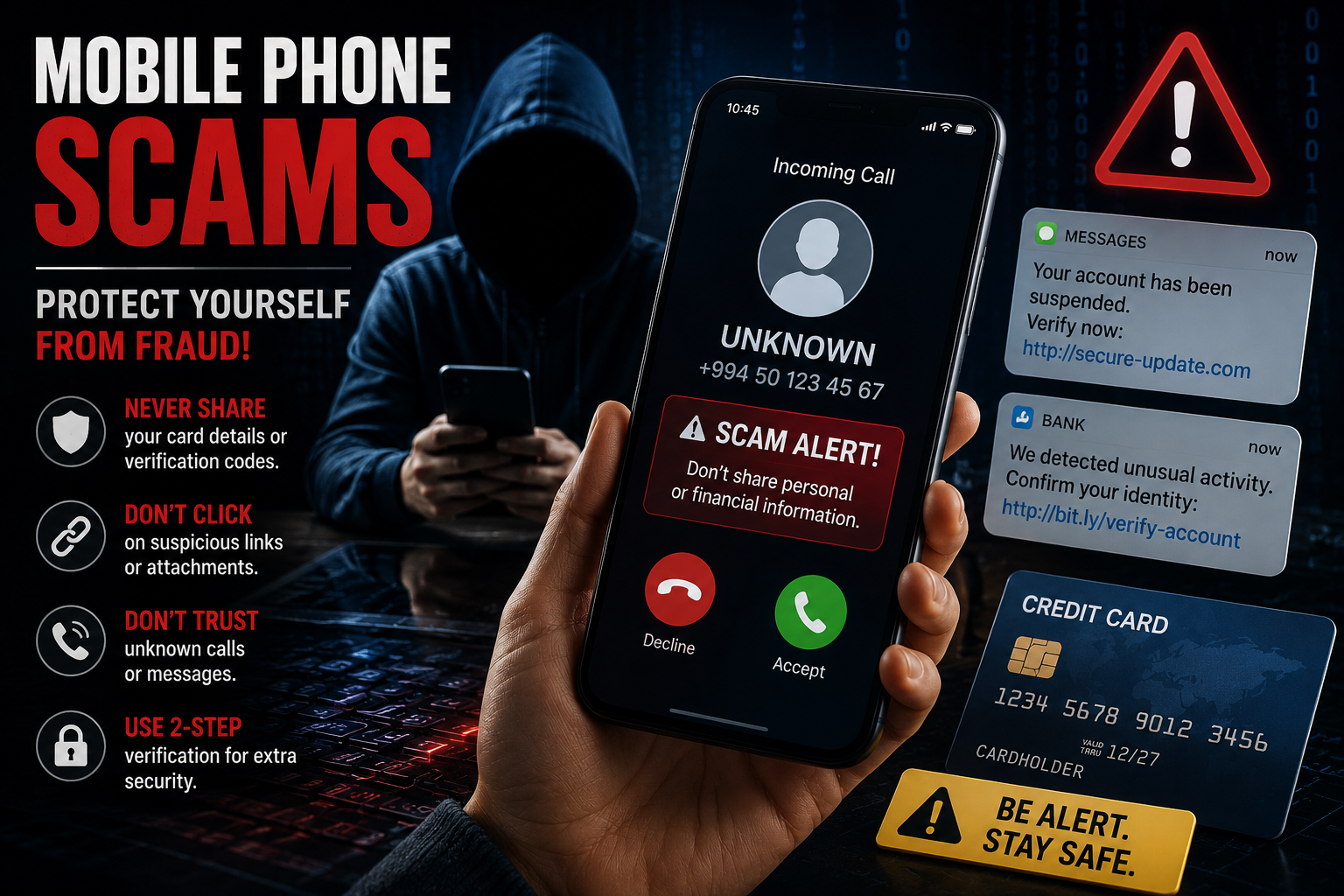
How to Recognize Online Scams: 12 Warning Signs

Online scams can lead to stolen money, hacked accounts, and identity theft. Learning how to recognize online scams can help you identify fake websites, suspicious messages, and fraudulent offers before they cause harm.
12 Warning Signs of an Online Scam
1. Offers That Seem Too Good to Be True
Unusually cheap products, guaranteed investment profits, or promises of easy money may be designed to trick you. Research the offer before making a decision.
2. Pressure to Act Quickly
Messages claiming your account will be closed or a deal will disappear within minutes are common warning signs. Take your time and verify the claim independently.
3. Requests for Personal Information
Be cautious if an unexpected message asks for your password, bank details, identity documents, or verification code. Never share confidential information through unverified channels.
4. Suspicious Website Addresses
Fake websites often imitate trusted brands using misspelled names or unusual web addresses. Check the full URL before entering personal or payment details. Remember, HTTPS alone does not guarantee that a website is legitimate.
5. Unexpected Links and Attachments
Suspicious emails and text messages may contain links to fake login pages or harmful downloads. If a message claims to come from your bank, visit its official website or app directly.
6. Unusual Payment Requests
Be careful if someone demands payment through gift cards, cryptocurrency, or other difficult-to-reverse methods, particularly under pressure. Verify the request before sending money.
7. Untrustworthy Online Stores
Missing contact details, unclear refund policies, copied product images, and unverifiable reviews may indicate a fraudulent seller. Research the business using independent sources.
8. Unexpected Prize Notifications
If you are told you have won a prize in a competition you never entered, be suspicious. Never pay an unexplained fee to claim an unexpected reward.
9. Fake Job Offers
Scammers may promise high earnings for little work or ask applicants to pay upfront fees. Verify the employer through its official website, and be wary of jobs that require you to deposit money to receive wages.
10. Online Relationships That Lead to Money Requests
Romance scammers may build emotional trust before inventing an emergency or asking for money. Never send funds to someone whose identity you have not independently verified.
11. Requests for Verification Codes
A scammer may pretend to be a bank employee or technical support agent to obtain a code that gives access to your account. Never share one-time passwords or login codes.
12. Requests to Keep Everything Secret
Scammers may tell you not to contact your bank, family, or authorities. Seek independent advice before making payments or sharing sensitive information.
What to Do If You Suspect a Scam
If you think an offer or message is fraudulent, follow these steps:
Stop and verify: Do not click suspicious links or send money.
Check independently: Contact the company using its official website or phone number.
Secure your accounts: Change compromised passwords and enable two-factor authentication.
Contact your bank: Report unauthorized payments or exposed financial information immediately.
Save evidence: Keep relevant messages, screenshots, and transaction records.
Report the scam: Contact the relevant platform or official reporting service in your country.
Acting quickly may help limit the damage, although recovering lost money is not guaranteed.
How to Stay Safe Online
Follow these simple habits to protect yourself:
Use strong, unique passwords.
Enable multi-factor authentication.
Keep your devices and software updated.
Research unfamiliar sellers and employers.
Avoid making financial decisions under pressure.
Limit personal information shared on social media.
Check bank statements for unfamiliar transactions.
Always verify unusual requests through a separate, trusted communication channel.
Frequently Asked Questions
How can I identify a fake website?
Check its web address, contact information, payment methods, and independent reviews. HTTPS does not prove that a website is trustworthy.
What are the most common online scams?
Common scams include phishing, fake shopping websites, investment fraud, romance scams, fraudulent job offers, and identity theft.
What should I do after clicking a suspicious link?
Close the page. If you entered a password, change it through the legitimate service. If you downloaded a file, check your device using trusted security software. Contact your bank if your financial information may have been exposed.
Can I recover money lost to an online scam?
Recovery depends on the payment method and circumstances. Contact your bank or payment provider immediately and ask about possible recovery options. Avoid anyone promising guaranteed recovery for an upfront fee.
Final Thoughts
Recognizing online scams starts with paying attention to warning signs: unrealistic promises, suspicious links, urgent demands, and requests for confidential information.
When in doubt, pause and verify. A few minutes of careful checking can help protect your money, identity, and online accounts.