15 Amazing Facts About Norway You Probably Didn't Know
Norway: 15 Amazing Facts About One of the World's Most Beautiful Countries
Norway is famous for its breathtaking fjords, Northern Lights, midnight sun, Viking history, and spectacular natural landscapes. Located in Northern Europe, this Scandinavian country offers a fascinating combination of extraordinary nature, rich cultural traditions, and a high standard of living. But beyond its famous scenery, Norway has many surprising features that make it one of the most interesting countries in the world.
Here are 15 amazing facts about Norway that may surprise you.
1. Norway Is Home to Thousands of Fjords
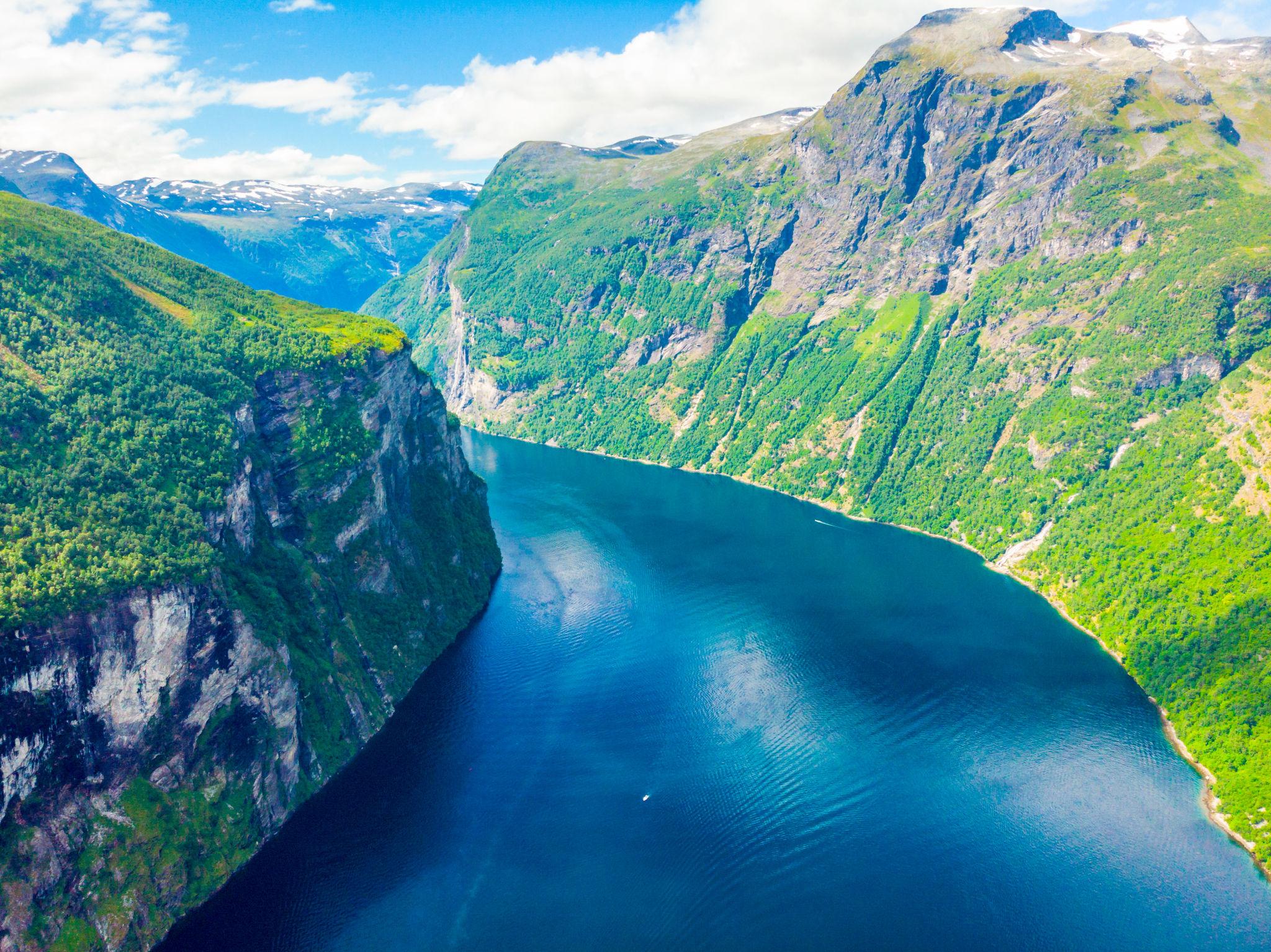
One of Norway's most remarkable natural features is its fjords. These long, narrow inlets of seawater are surrounded by steep mountains and were shaped by glaciers over thousands of years.
Sognefjord, the country's longest and deepest fjord, stretches approximately 205 kilometres inland and reaches a depth of around 1,303 metres. Geirangerfjord and Nærøyfjord are particularly famous for their dramatic scenery and UNESCO World Heritage status.
Norway's fjords attract visitors from around the world who come to experience towering cliffs, waterfalls, peaceful villages, and spectacular mountain views.
2. You Can See the Northern Lights in Norway
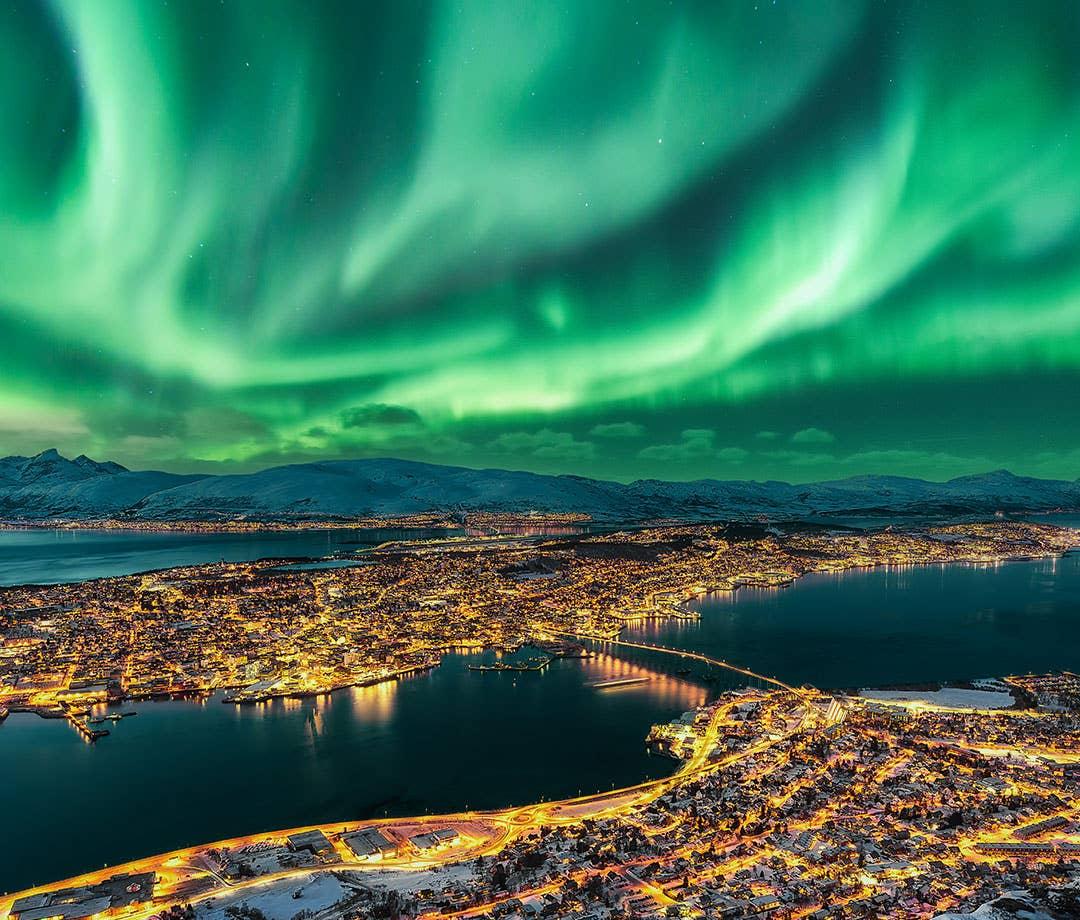
The Northern Lights, also known as the aurora borealis, are among the most extraordinary natural phenomena visible in Norway.
They occur when charged particles from the Sun interact with gases in Earth's upper atmosphere, producing colourful displays of light. Green is the most commonly observed colour, although pink, violet, and other shades can also appear.
Northern Norway, including Tromsø and the Lofoten Islands, is a popular destination for people hoping to witness this natural spectacle. The best opportunities generally occur during the darker months, from autumn to early spring, although clear skies and suitable solar activity are essential.
3. The Sun Does Not Set for Weeks in Parts of Norway
Imagine looking at your clock at midnight and still seeing sunlight outside. In parts of northern Norway, this is a real experience.
The phenomenon is known as the midnight sun. North of the Arctic Circle, the Sun can remain above the horizon for days or even months during the summer, depending on the location.
At the North Cape, for example, the midnight sun can be observed for more than two months. On the Svalbard archipelago, the period lasts even longer.
This unusual natural phenomenon attracts photographers, hikers, and travellers who want to experience the Arctic summer.
4. Norway Has a Rich Viking History
Norway played an important role in the Viking Age, which lasted approximately from the late eighth century to the eleventh century.
Viking communities from Scandinavia became known for their seafaring skills, shipbuilding, trade, exploration, and, in some cases, raids across Europe. Norwegian Vikings travelled across the North Atlantic and helped establish settlements in places such as Iceland and Greenland.
Their legacy remains visible in Norwegian museums, archaeological discoveries, historic sites, and cultural traditions.
Viking ships are particularly remarkable because their design allowed them to travel across open seas and navigate relatively shallow waterways.
5. Norway Is One of Europe's Most Mountainous Countries
Norway's landscape is dominated by mountains, valleys, glaciers, and rugged coastlines.
The country's highest mountain is Galdhøpiggen, which rises approximately 2,469 metres above sea level. It is located in the Jotunheimen mountain range, an area known for its dramatic peaks and hiking opportunities.
Mountain scenery is an important part of Norwegian life. Popular outdoor activities include hiking, skiing, climbing, and exploring national parks.
The country's varied terrain also creates habitats for many species of wildlife and contributes to its remarkable natural diversity.
6. Norway Has a Relatively Small Population
Despite its extensive territory and long coastline, Norway has a relatively small population compared with many other European countries.
Official statistics recorded approximately 5.63 million residents in the second quarter of 2026. Oslo is the capital and largest city, while Bergen, Trondheim, and Stavanger are among the country's other major urban centres.
Large areas of Norway are sparsely populated, particularly in the north and in mountainous regions. This gives many parts of the country a sense of openness and tranquillity.
For visitors, it is possible to travel between small settlements and experience vast landscapes that appear almost untouched.
7. Norway Is Famous for Its High Standard of Living
Norway is frequently associated with a high standard of living, strong public institutions, and an extensive social welfare system.
Public services, education, healthcare, working conditions, and social protections are important features of Norwegian society. However, access to particular services and the costs involved depend on individual circumstances and applicable rules.
The country also regularly performs well in international assessments of human development and quality of life.
Nevertheless, living in Norway can be expensive. Housing, food, restaurants, and everyday services may cost considerably more than in many other countries.
8. Norway Has an Important Connection to the Nobel Peace Prize
The Nobel Peace Prize is awarded in Oslo, Norway, while the other traditional Nobel Prizes are awarded in Sweden.
This arrangement was established by Alfred Nobel's will. The Norwegian Nobel Committee is responsible for selecting the Peace Prize laureate.
The award recognises individuals and organisations whose work contributes to peace, international cooperation, and related humanitarian efforts.
The annual ceremony attracts international attention and makes Oslo an important destination in discussions about diplomacy and global affairs.
9. Hydropower Plays a Major Role in Norway's Electricity Supply
Norway is particularly well known for its use of hydropower.
The country's mountainous terrain, abundant rivers, and substantial precipitation create favourable conditions for generating electricity from moving water. Hydropower supplies the overwhelming majority of Norway's electricity production in a typical year.
This renewable energy resource has helped shape the country's electricity system and industrial development.
Norway also produces oil and natural gas, so its wider energy economy includes both renewable electricity and fossil-fuel production.
10. Norway Has One of the World's Most Spectacular Coastal Landscapes
Norway's coastline is famous for its countless islands, narrow inlets, rocky shores, and fishing villages.
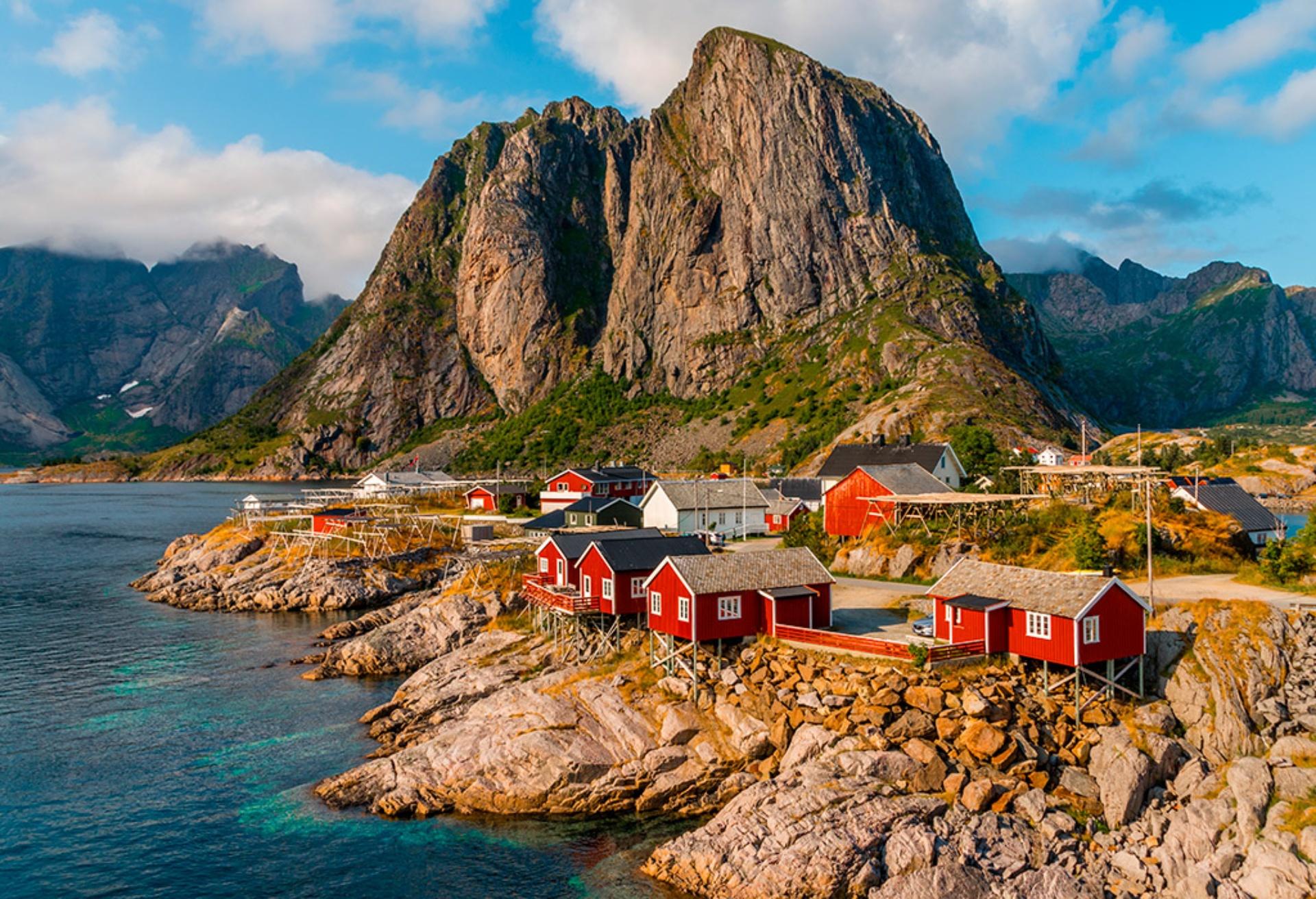
The Lofoten Islands are particularly popular because of their sharp mountain peaks, traditional red fishing cabins, sandy beaches, and Arctic scenery.
Coastal communities have depended on fishing for centuries, and seafood remains an important part of Norwegian cuisine and exports.
Travelling along the coast by boat or ferry offers a different perspective on the country, revealing landscapes that are difficult to appreciate fully from inland roads.
11. Norway Is Closely Associated With Salmon
Norwegian salmon is recognised around the world and is an important export product.
The country has a long fishing tradition, and modern aquaculture has become a major part of its seafood industry. Farmed Atlantic salmon is produced for domestic consumption and international markets.
Salmon is prepared in many ways, including grilled, baked, smoked, and cured dishes.
However, salmon farming also raises environmental questions, including sea lice, fish welfare, and the potential effects on wild salmon populations. These issues are an important part of discussions about the future of sustainable seafood production.
12. Norway Has Two Official Written Forms of Norwegian
Norwegian has two official written standards: Bokmål and Nynorsk.
Bokmål is the more widely used written form, while Nynorsk is also used in education, public administration, literature, and media.
Norway is linguistically diverse, and Sámi languages have official status in designated areas and are protected under Norwegian law.
English is also widely understood, particularly among younger people and in larger cities, making it relatively easy for many international visitors to communicate.
13. Norway Is Famous for Outdoor Life
Outdoor activities are deeply rooted in Norwegian culture. The Norwegian concept of friluftsliv, meaning something like “open-air life,” reflects the importance of spending time outdoors.
People enjoy hiking, skiing, cycling, fishing, camping, and walking in forests and mountains.
A tradition of public access to uncultivated land gives people opportunities to explore nature, subject to rules that protect private property, wildlife, and the environment.
For many Norwegians, spending time outdoors is not simply a holiday activity but an important part of everyday life.
14. Norway Is Home to the Svalbard Global Seed Vault
On the Arctic archipelago of Svalbard, Norway hosts the Svalbard Global Seed Vault, an international facility designed to preserve backup samples of seeds from crop collections around the world.
The vault opened in 2008 and is built into a mountainside near Longyearbyen.
Its purpose is to help safeguard agricultural biodiversity against disasters, conflicts, equipment failures, and other events that could threaten seed collections held elsewhere.
The facility is sometimes described as a global backup for crop diversity. It does not contain every plant species, but it plays an important role in international efforts to protect the genetic resources needed for future food production.
15. Norway Has a King but Is Governed as a Democracy
Norway is a constitutional monarchy and a parliamentary democracy.
The monarch serves as head of state, while political power is exercised through democratic institutions, including the elected parliament and the government.
The Storting is Norway's national parliament. It passes laws, approves the state budget, and oversees the government.
Norway's political system combines a long-standing royal tradition with modern democratic governance, reflecting the country's historical development and contemporary institutions.
Why Is Norway So Fascinating?
Norway stands out because it combines spectacular natural landscapes with a distinctive culture, a rich history, and modern public institutions.
Its fjords reveal the power of ancient glaciers, its Arctic regions offer extraordinary seasonal light, and its Viking heritage connects the country to a significant chapter in European history. At the same time, Norway's energy system, seafood industry, and seed conservation efforts demonstrate its role in wider global issues.
Whether you are interested in geography, history, wildlife, travel, or everyday life, Norway offers countless opportunities to learn something new.
Which of these 15 facts about Norway surprised you the most? Share your thoughts and explore more fascinating stories about countries around the world.
Article prepared for informational purposes. Geographic and statistical details should be checked against official sources when updated figures are required.