Cost of Living in Germany (2026): Rent, Food & Monthly Budget

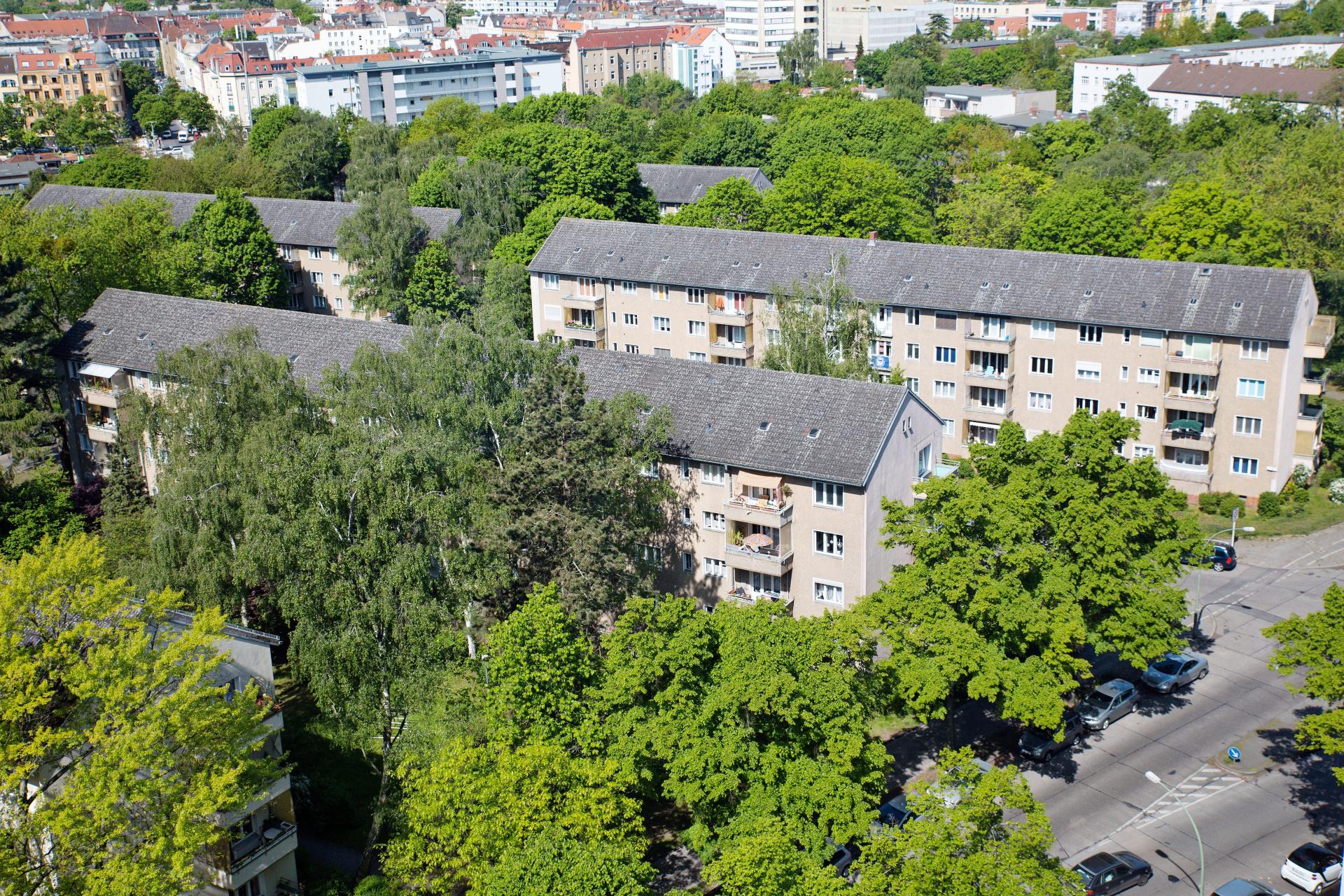
Cost of Living in Germany: Rent, Food, Utilities and Monthly Expenses
The cost of living in Germany depends on where you live, your housing situation and your lifestyle. Rent, groceries, electricity, heating and transportation account for a large part of most household budgets. While smaller towns can be more affordable, major cities such as Munich, Frankfurt and Berlin can be significantly more expensive.
For anyone planning to move to Germany, study there or find a job, understanding monthly expenses is an important first step. This guide explains the main costs of everyday life in Germany and provides practical estimates to help you plan your budget.
How Much Does It Cost to Live in Germany?
Germany's official information portal for skilled workers provides the following approximate monthly cost ranges for common living expenses. Actual costs vary according to location, household size and personal spending habits.
Rent: €350–€1,000
Utilities: €80–€250
Food and groceries: €200–€350
Transport, leisure and communication: €150–€350
These figures are useful starting points, but they do not represent a guaranteed total for every household. In particular, rent in large cities can be considerably higher than in smaller towns and rural areas. Some costs, including health insurance, may also need to be budgeted separately. (Source: Make it in Germany)
1. Rent in Germany: The Biggest Monthly Expense
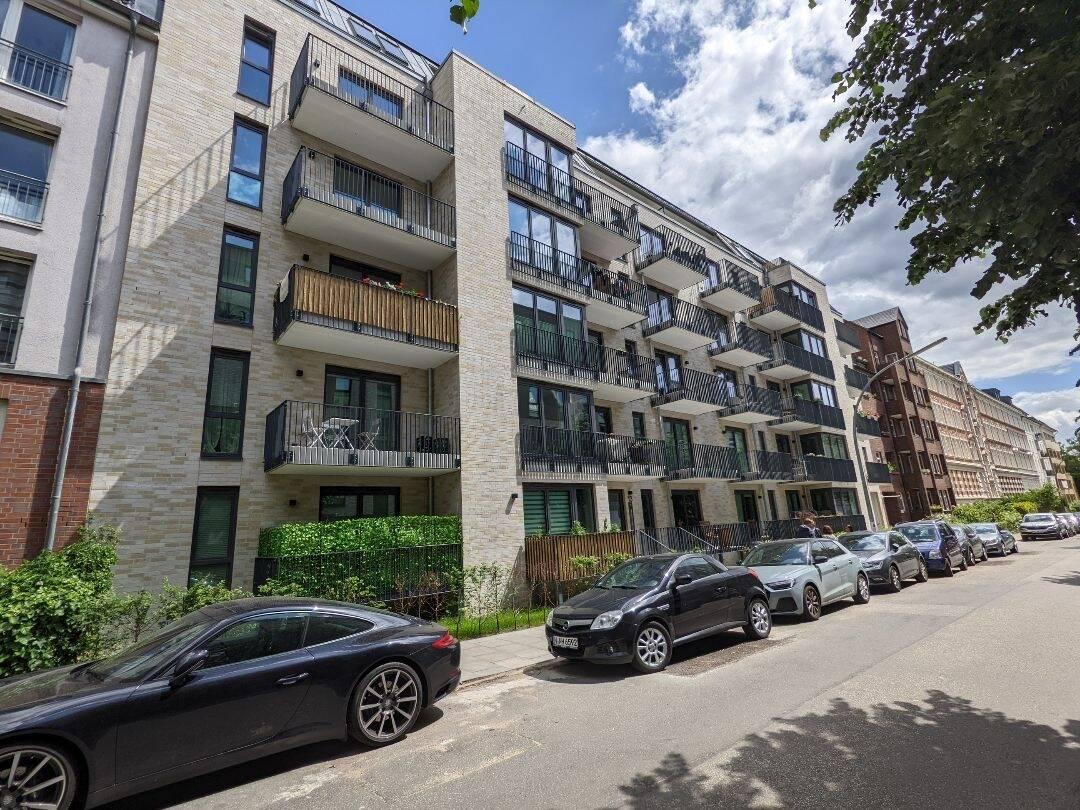
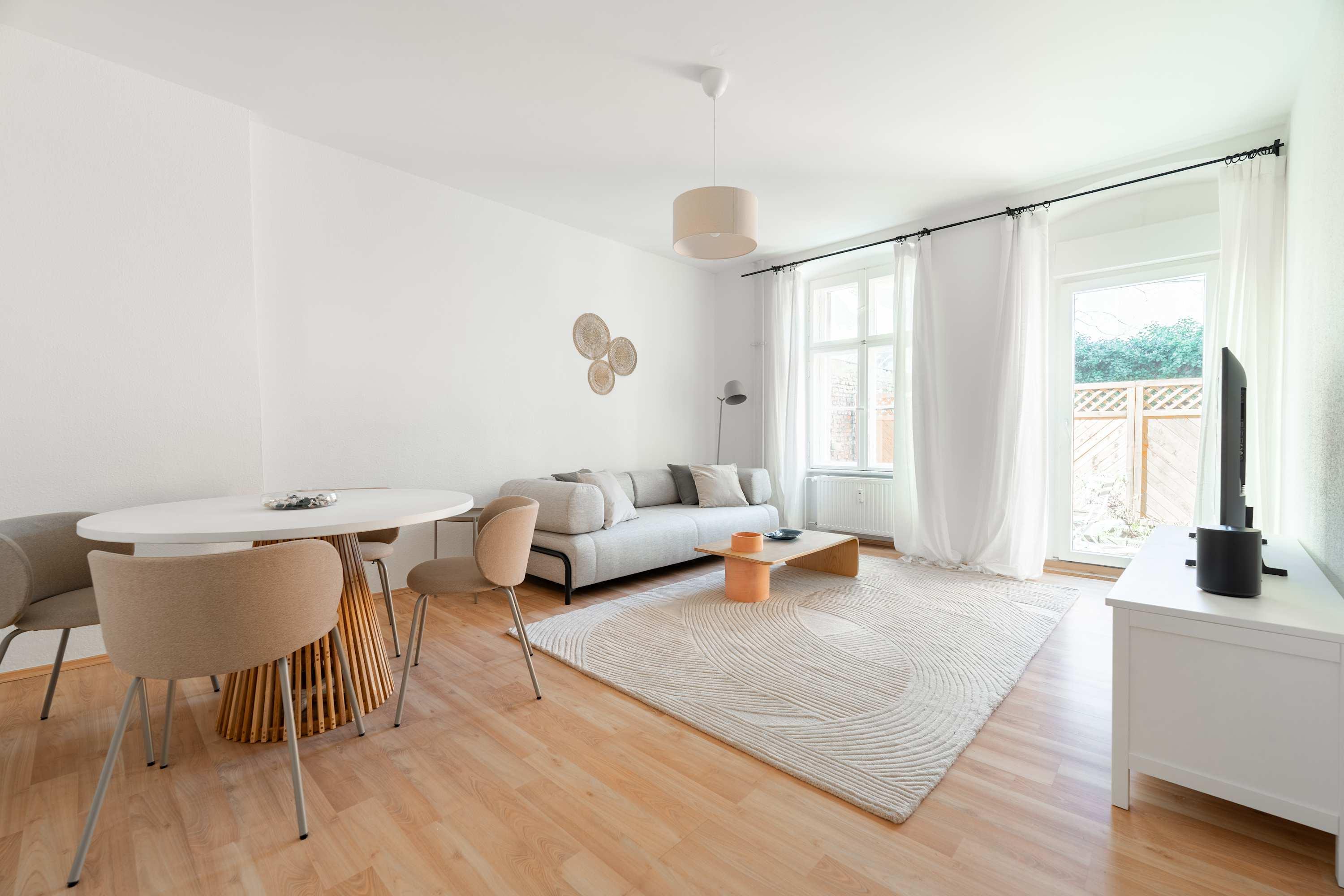
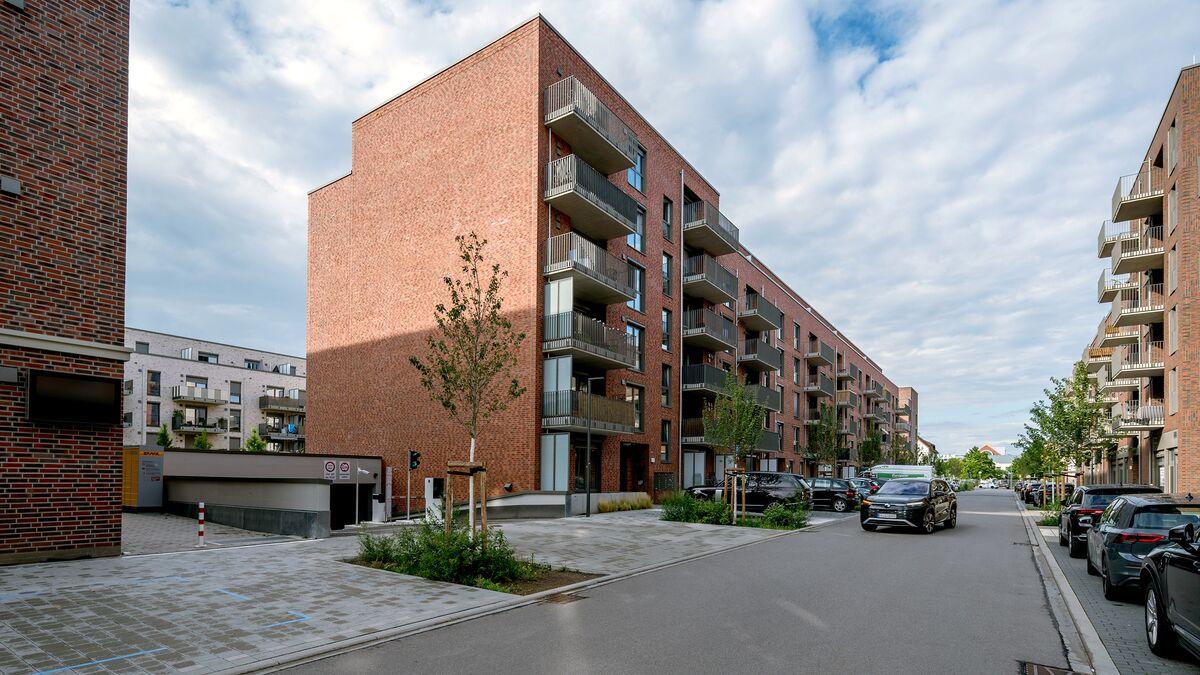
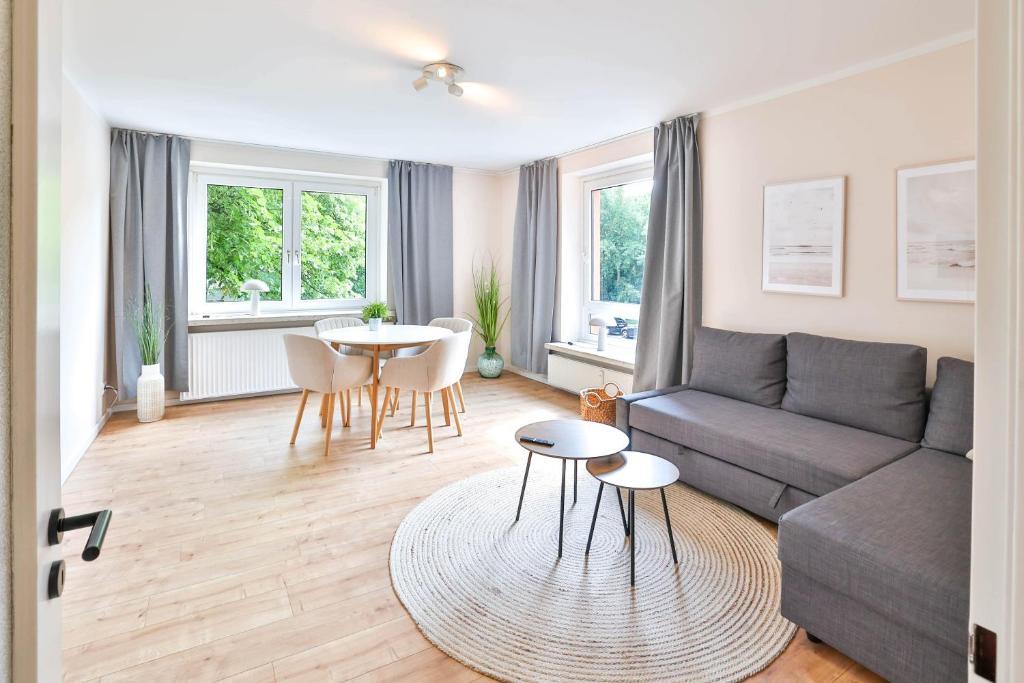
Housing is often the largest expense for people living in Germany. The price of an apartment depends on the city, its location, the size of the property and whether it is furnished.
Munich is known for its expensive housing market. Berlin, Frankfurt am Main, Hamburg and other major cities can also be costly, particularly for people looking for apartments in central locations.
People who want to reduce their housing expenses can consider smaller cities, suburban areas or shared accommodation. Students and young professionals often rent a room in a shared apartment, known in Germany as a Wohngemeinschaft, or WG.
According to the German Academic Exchange Service (DAAD), students pay an average of around €489 per month for accommodation, although prices vary considerably by city. A room in a shared apartment can cost much more in Munich than in a smaller university town. (Source: DAAD)
What Do Kaltmiete and Warmmiete Mean?
People searching for accommodation in Germany will frequently encounter two important terms:
Kaltmiete: The basic rent for the apartment, excluding additional operating and heating costs.
Warmmiete: The basic rent plus the included additional housing and heating costs.
However, Warmmiete does not necessarily include every household bill. Electricity and internet, for example, may have to be paid separately. Always check the rental agreement to understand exactly what is included.
Tenants should also prepare for an initial security deposit, known as a Kaution. Under German law, a residential rental deposit for an ordinary apartment is generally limited to three months of basic rent, excluding advance payments for operating costs. This is an upfront expense rather than a regular monthly bill.
2. Food and Grocery Prices in Germany
Food costs depend largely on how often people cook at home, where they shop and how frequently they eat out.
A single adult who prepares most meals at home may be able to manage with a relatively modest grocery budget. People who regularly buy branded products, organic food or ready-made meals will generally spend more.
Discount supermarkets such as Aldi and Lidl are popular options for keeping grocery bills under control. Comparing prices, planning meals and buying seasonal products can also help households save money.
As a practical planning estimate, a single adult might budget around €200–€350 per month for groceries. This is an indicative range rather than a fixed national average.
Eating at restaurants adds to the cost. Even occasional meals outside the home can make a noticeable difference to a monthly budget, particularly in expensive city centres.
Germany's Federal Statistical Office tracks food prices through its consumer price index. Its published figures show that food and non-alcoholic beverage prices rose by 2.6% on average in 2025 compared with 2024. This illustrates why older cost estimates should be reviewed regularly. (Source: Destatis)
3. Electricity, Heating, Water and Other Utilities
Utility bills are another important part of the cost of living in Germany. Depending on the property and rental agreement, these expenses may include heating, hot water, water supply and other building operating costs.
The amount a household pays depends on several factors:
The size and energy efficiency of the apartment.
The number of people living in the property.
The type of heating system.
Seasonal temperatures and energy consumption.
Whether electricity and other services are included in the rent.
A planning estimate of €80–€250 per month may be useful for basic utility expenses, but the actual bill can fall outside this range. Larger apartments, higher energy consumption and separately billed services can increase total costs.
Before renting an apartment, ask the landlord which expenses are included in the Warmmiete and which must be paid separately. This simple check can prevent unexpected bills after moving in.
4. Transportation Costs in Germany
Germany has an extensive public transportation network that includes buses, trams, underground trains, suburban railways and regional trains.
For people living and working in cities, public transportation can be a practical alternative to owning a car. The Deutschlandticket provides access to eligible local and regional public transport services throughout Germany, subject to its current terms and exclusions.
The cost of a transport pass should be checked before preparing a budget because ticket prices and conditions can change. People who commute daily may also need to account for travel outside the coverage of their usual ticket.
Owning a car generally requires a much broader budget. In addition to fuel, drivers may need to pay for insurance, vehicle tax, maintenance, repairs, parking and inspections.
For this reason, the most economical option depends on where a person lives and how far they need to travel.
5. Health Insurance, Internet and Other Expenses
A realistic monthly budget should include more than rent, food and electricity.
Health insurance is a particularly important consideration. Employees in Germany are generally covered through the statutory or private health insurance system, depending on their circumstances. Contributions and eligibility rules vary, so workers should check what applies to their employment and income.
Other expenses can include:
Mobile phone and home internet.
Clothing and personal care.
Leisure activities and subscriptions.
Household items and occasional repairs.
Medical expenses not fully covered by insurance.
Childcare or education-related costs, where applicable.
New arrivals should also plan for initial expenses such as furniture, household equipment, transport to Germany and the security deposit for their accommodation.
6. Estimated Monthly Budget in Germany
The following examples illustrate how a monthly budget might look for different households. These are planning scenarios, not official average spending figures. They assume rented accommodation and vary according to lifestyle and location.
| Expense | One adult | Two adults | Family of four |
|---|---|---|---|
| Rent and housing costs | €700 | €1,100 | €1,500 |
| Food and groceries | €275 | €500 | €750 |
| Utilities and household bills | €150 | €200 | €250 |
| Transportation | €100 | €180 | €250 |
| Internet and mobile phones | €50 | €70 | €90 |
| Health insurance and medical costs | €150 | €300 | €400 |
| Personal expenses and leisure | €150 | €250 | €350 |
| Estimated monthly total | €1,575 | €2,600 | €3,590 |
These totals are illustrative budgets, not predictions for every household. Health insurance costs are particularly dependent on employment status, income, family circumstances and existing coverage. The family estimate also excludes potential childcare fees and unusually high housing costs.
A single person renting a room in a shared apartment may spend less than the first example. Someone renting a private apartment in Munich or another expensive housing market may need substantially more.
7. Is Germany Expensive Compared With Other European Countries?
Germany's cost of living varies significantly by region. Large cities generally offer more employment opportunities and services, but housing can absorb a considerable share of income.
Smaller towns may offer cheaper accommodation, although employment options, transport connections and access to services can differ.
The Federal Statistical Office reported average monthly private consumption expenditure of €3,257 per household in 2024. This figure covers a broad range of household consumption and should not be confused with the minimum amount required to live in Germany or the budget of a single person. Household size and circumstances make a substantial difference. (Source: Destatis)
8. How to Save Money While Living in Germany
People who want to keep their expenses under control can follow several practical steps.
Choose accommodation carefully. Compare the full monthly housing cost rather than looking only at the advertised basic rent.
Consider shared accommodation. Renting a room in a WG can reduce housing expenses, especially for students and people who have recently arrived.
Cook at home. Planning meals and shopping at discount supermarkets can help keep grocery spending predictable.
Use public transportation. Compare the cost of a suitable public transport ticket with the total cost of owning a car.
Monitor energy consumption. Heating efficiently and avoiding unnecessary electricity use can help reduce household bills.
Prepare for one-off expenses. Moving costs, deposits and furniture can create significant initial financial pressure, even when monthly expenses appear manageable.
Final Thoughts
The cost of living in Germany depends on far more than the price of groceries or the amount of rent. Housing location, energy consumption, transportation, health insurance and household size all influence how much money people need each month.
For a useful starting point, a single adult can prepare an illustrative budget of around €1,500–€1,800 per month, while couples and families may need considerably more. These estimates should be adjusted to the intended city, rental arrangement and personal circumstances before making a decision.
Anyone planning to move to Germany should compare current rental listings, check official information about insurance and transport, and prepare a separate budget for initial moving expenses. Careful planning can make it easier to understand the real cost of living and avoid unexpected financial pressure.