10 Everyday Foods That May Help You Stay Healthy as You Age
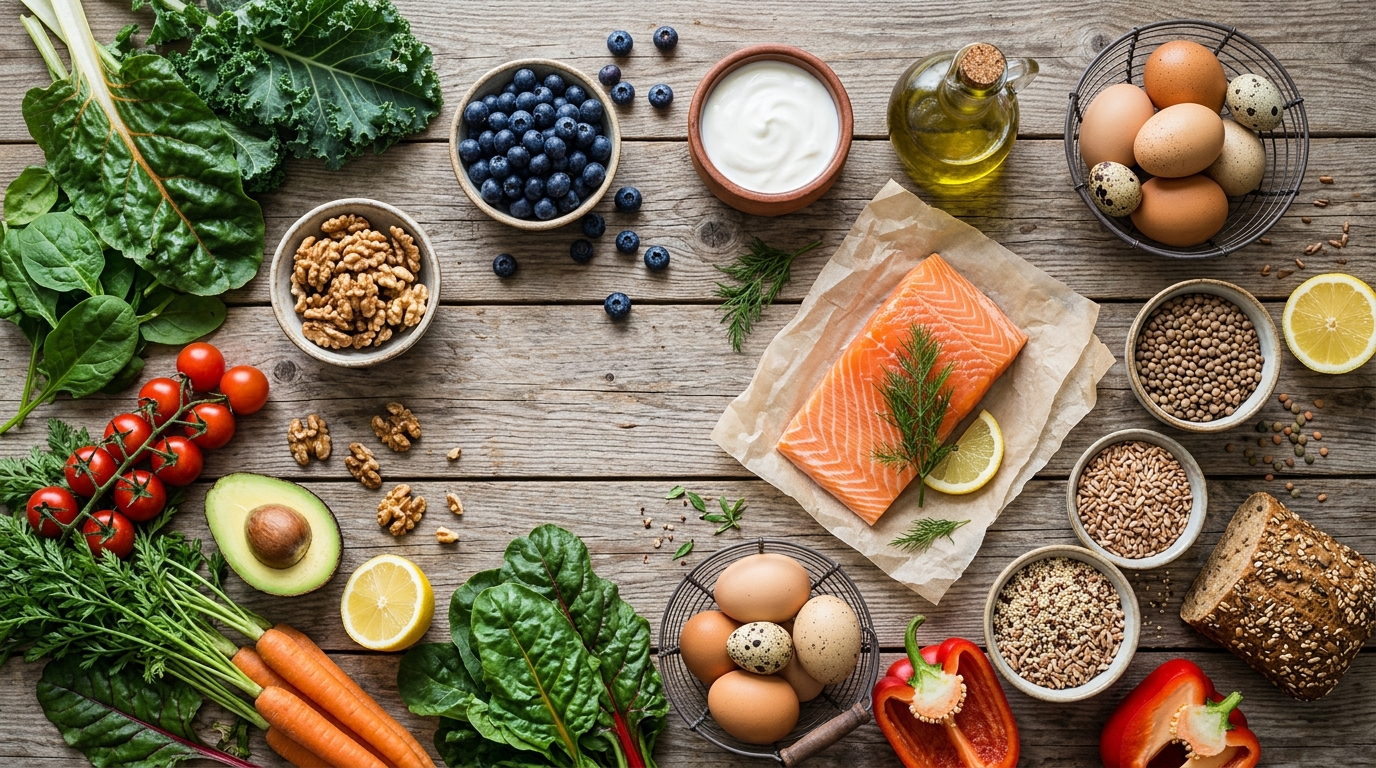
Healthy aging starts with the food you eat every day. A balanced diet rich in essential nutrients can support heart health, brain function, strong bones, and overall well-being as you get older. While no single food can prevent aging or guarantee a long life, certain everyday foods can help provide the nutrients your body needs throughout the years.
Here are 10 nutritious foods worth including in a balanced diet to support healthy aging.
1. Blueberries
Blueberries contain anthocyanins, natural plant compounds that give them their deep blue color. They are also a source of vitamin C, fiber, and other beneficial nutrients.
Research suggests that diets rich in colorful fruits may support overall health. Adding blueberries to oatmeal, yogurt, or smoothies is an easy way to increase your fruit intake.
2. Fatty Fish
Salmon, sardines, and mackerel provide high-quality protein and omega-3 fatty acids. These fats are important for normal cell function and may help support cardiovascular health.
Eating fish regularly as part of a balanced diet can be a useful way to obtain these nutrients. People who do not eat fish can discuss alternative omega-3 sources with a qualified healthcare professional.
3. Leafy Green Vegetables
Spinach, kale, and other leafy greens provide folate, vitamin K, and carotenoids. These nutrients contribute to several important bodily functions, including normal blood clotting and bone health.
Try adding leafy greens to salads, soups, omelets, or cooked meals. Eating a variety of vegetables helps provide a broader range of nutrients.
4. Nuts and Seeds
Walnuts, almonds, chia seeds, and flaxseeds provide healthy fats, fiber, and minerals. Some varieties also contain plant-based omega-3 fatty acids.
A small handful of unsalted nuts can make a convenient snack. Seeds can also be added to oatmeal, salads, and yogurt for extra texture and nutritional value.
5. Extra Virgin Olive Oil
Extra virgin olive oil contains monounsaturated fats and antioxidant compounds. It is a key component of the Mediterranean dietary pattern, which has been associated with better cardiovascular health.
Use olive oil in salad dressings or as a replacement for some sources of saturated fat. Like all oils, it is calorie-dense, so portion size matters.
6. Beans and Lentils
Beans, chickpeas, and lentils are affordable sources of plant-based protein, fiber, iron, and folate. Their fiber content can support digestive health and help people feel full for longer.
They can be added to soups, salads, stews, and other everyday meals. Replacing some processed meats with beans or lentils can also improve the overall nutritional quality of a diet.
7. Plain Yogurt
Plain yogurt provides protein, calcium, and, depending on the product, live cultures. Calcium is important for maintaining bones and teeth, while protein helps maintain muscle mass.
Choose unsweetened varieties when possible. Greek yogurt can provide more protein than some conventional yogurts, although nutritional content varies by brand.
8. Whole Grains
Oats, brown rice, whole-wheat bread, and other whole grains provide fiber, vitamins, and minerals. Regularly choosing whole grains instead of refined grains can support digestive health and contribute to better long-term metabolic health.
For an easy breakfast, try oatmeal topped with berries and a small serving of nuts.
9. Eggs
Eggs provide high-quality protein and nutrients such as vitamin B12 and choline. Protein becomes particularly important with age because maintaining muscle strength can help support mobility and independence.
Eggs are versatile and can be prepared in many ways. Individual dietary needs differ, so people managing high cholesterol or other medical conditions should follow personalized dietary advice from their healthcare professional.
10. Colorful Vegetables
Carrots, bell peppers, tomatoes, broccoli, and sweet potatoes contain different combinations of vitamins, minerals, fiber, and plant compounds.
Eating vegetables in a variety of colors helps broaden the range of nutrients in your diet. Fresh, frozen, and appropriately prepared canned vegetables can all contribute to a healthy eating pattern.
How to Build a Healthy Eating Routine as You Age
You do not need an expensive diet or exotic ingredients to support healthy aging. Small, consistent choices can make everyday meals more nutritious.
Consider these practical habits:
Eat a variety of fruits and vegetables every day.
Include protein sources such as fish, eggs, beans, or yogurt.
Choose whole grains more often than refined grains.
Use unsaturated fats, such as olive oil, in place of some saturated fats.
Drink enough water throughout the day, adjusting intake to your individual needs.
Limit excessive salt, added sugar, and highly processed foods.
Combine nutritious eating with regular physical activity and adequate sleep.
Older adults may have different nutritional requirements depending on their health, medications, activity levels, and appetite. Anyone with a medical condition or special dietary needs should seek individualized advice from a qualified healthcare professional.
The Bottom Line
Healthy aging is influenced by many factors, including genetics, physical activity, sleep, social connections, and access to healthcare. Food alone cannot guarantee a longer life, but a balanced diet built around vegetables, fruits, whole grains, healthy fats, and adequate protein can help support overall health as you age.
Start with a few simple changes. Add berries to breakfast, include beans in lunch, or choose fish and vegetables for dinner. Over time, these everyday habits can help build a more nutritious and sustainable eating routine.
Disclaimer: This article is for informational purposes only and does not replace professional medical advice.


